

GET IN TOUCH
- Please wait...


This letter was originally sent to LightCastle Bimonthly Newsletter subscribers.
At the dawn of the brand-new year, we eagerly look ahead to how the economic, social, and political landscape of Bangladesh will unfold. The year 2026 may well be etched in history as the year Bangladesh achieves its democratic transition, carrying with it the hope of rebuilding institutions, improving governance, restoring economic performance, and firmly placing the country on a path toward sustainable growth.
The Economist identified Bangladesh as the Country of the Year in 2024. While this recognition was encouraging, the country struggled to regain stability in 2025 and experienced disruptions in maintaining law and order, alongside a tepid investment climate. Stagnant GDP growth, high unemployment, and declining investment were among the resulting outcomes.
However, all was not doom and gloom. Bangladesh witnessed a resurgence in international trade performance, as remittance workers and exporters stepped up to improve the balance of trade. As a result, foreign exchange reserves stood at USD 33 billion, and the currency stabilized as the central bank intervened by purchasing excess US dollars from the market.
The tight monetary regime had only a partial impact on inflation, with inflation remaining close to double-digit levels. This led the central bank to refrain from cutting interest rates. However, the government has begun reducing interest rates on treasury bills and savings certificates, an early signal of a potential shift toward a lower interest rate regime.
Bangladesh’s status as a climate-vulnerable country places it at heightened risk of environmental catastrophe if global efforts to mitigate climate change remain inadequate. The country requires significant funding to implement climate adaptation programmes through bilateral, multilateral, and other financing sources. The current geopolitical landscape, however, is not conducive to prioritising climate action, as wars and other global crises dominate the agenda. In this context, it is imperative to explore how low-income countries like Bangladesh can mobilise resources to sustain these programmes.
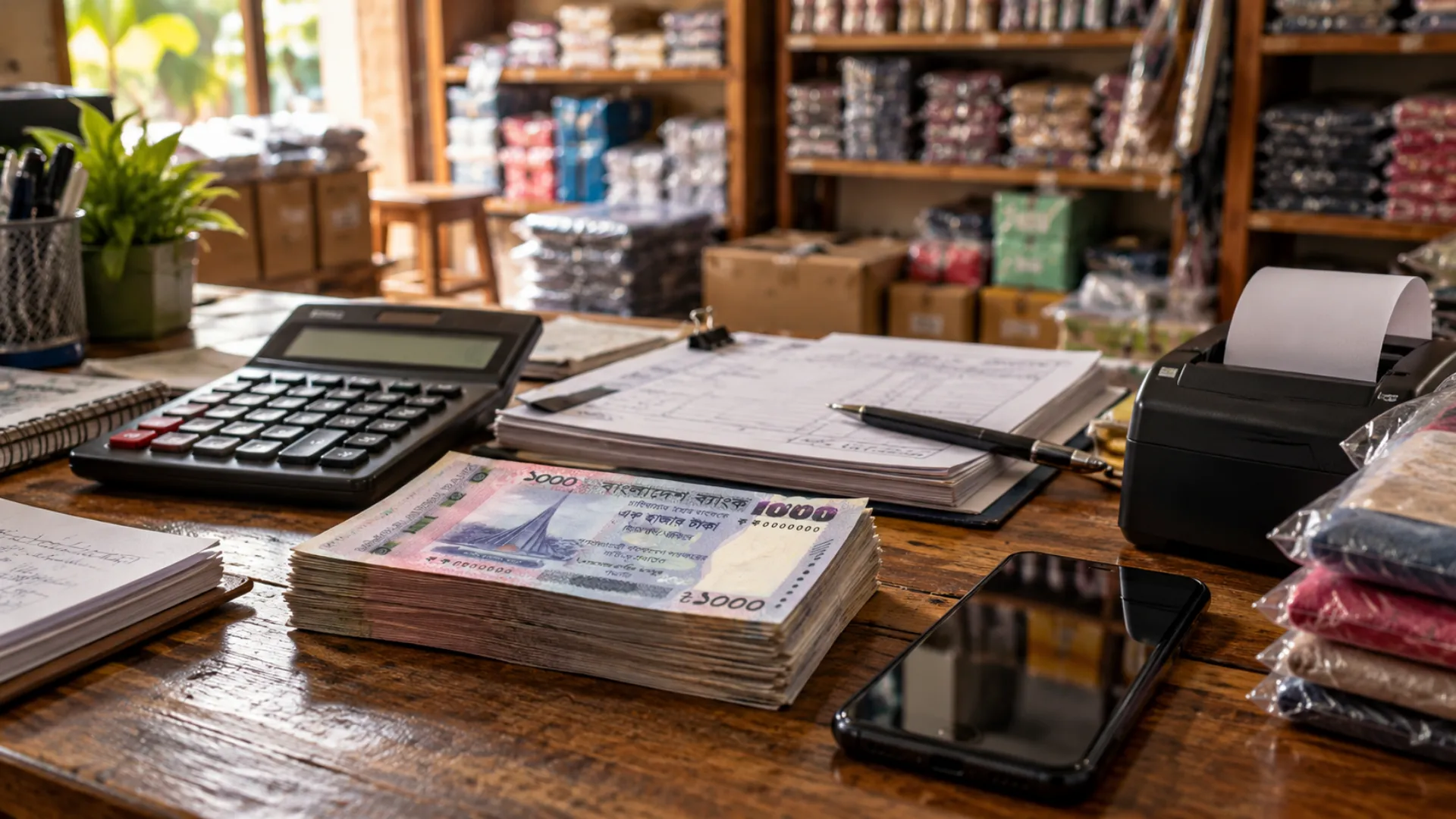
The incoming government must step up to secure development financing amid this new reality, particularly as Bangladesh undergoes LDC graduation, which brings challenges related to market access and higher borrowing costs. With a narrow tax base, the government is expected to face difficulties in financing development projects. Bangladesh has already paid USD 15.7 billion in interest payments, nearly one-fifth of the total budget—for FY2024–25, and this figure is expected to rise in the coming years. A slow economic recovery over the next couple of years is likely to suppress tax revenue growth, making fiscal balance a persistent challenge.
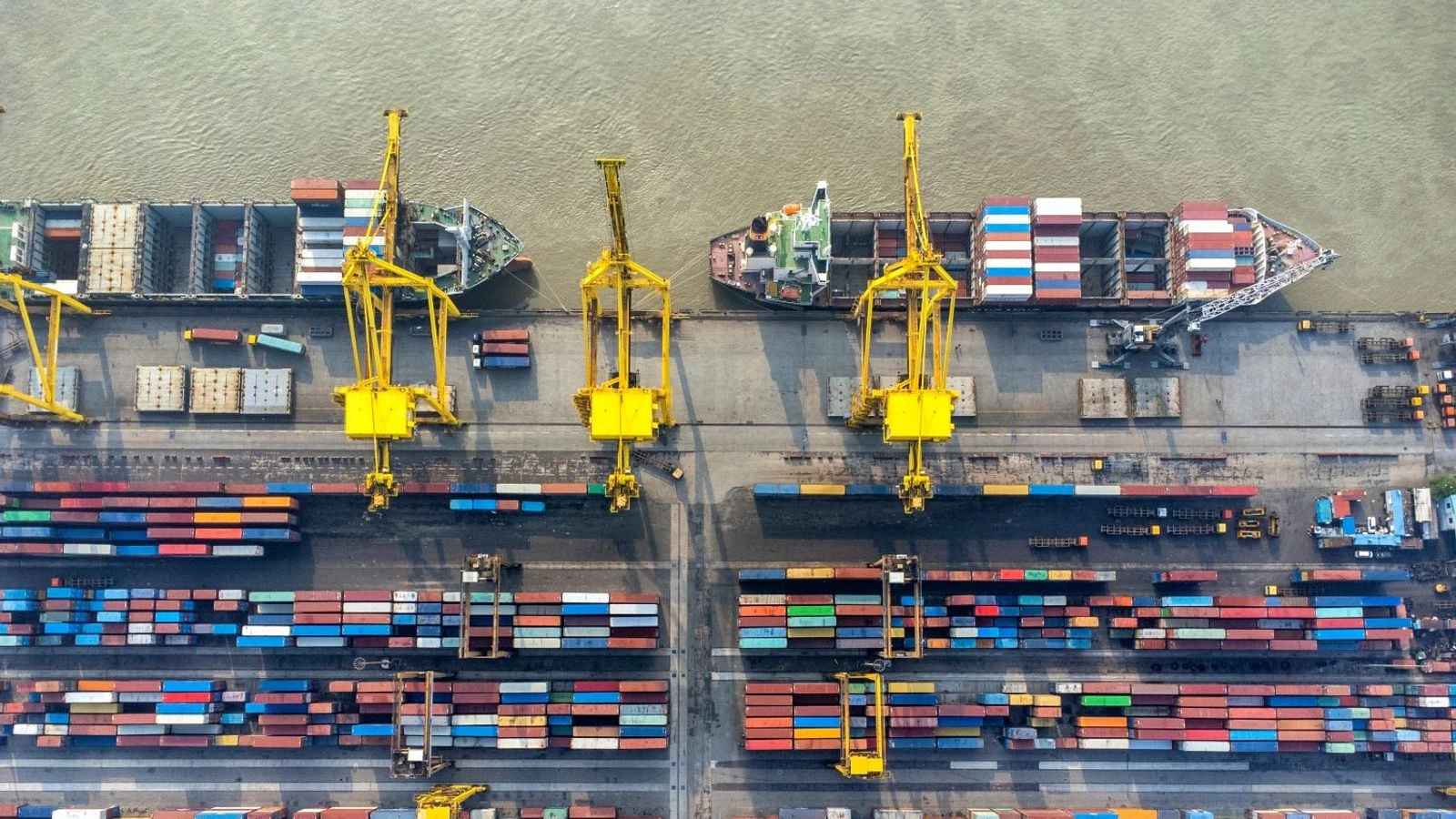
Over the next five years, diversifying the export base will remain a critical challenge for the government, as the apparel and textile sector continues to dominate exports, contributing nearly 85% of total export earnings. Other sectors—such as leather and footwear, jute and jute products, and frozen foods—have underperformed. The key question remains how these sectors can be supported through systematic and sustained policy interventions.
At LightCastle, we have been collaborating with ecosystem stakeholders, including the Ministry of Commerce, to facilitate export diversification. Under the EC4J programme, funded by the World Bank, we worked closely with industry associations and private sector players in the leather and footwear, plastics, and light engineering sectors. Our efforts focused on enabling international market access through capacity development, market linkages, and the creation of a market development platform.
We have also been working closely with the apparel ecosystem to foster coalitions among stakeholders to address the impending challenges posed by automation, LDC graduation, and the EU Green Deal. Through the Oporajita initiative, supported by the H&M Foundation, we have engaged in policy advocacy and prepared policy briefs to support the sector’s sustainable transition. Additionally, we are collaborating with the Laudes Foundation to develop a platform that maps Just Transition–related programmes implemented by development partners. This platform aims to support climate mitigation in the manufacturing sector while safeguarding the interests of affected workers.
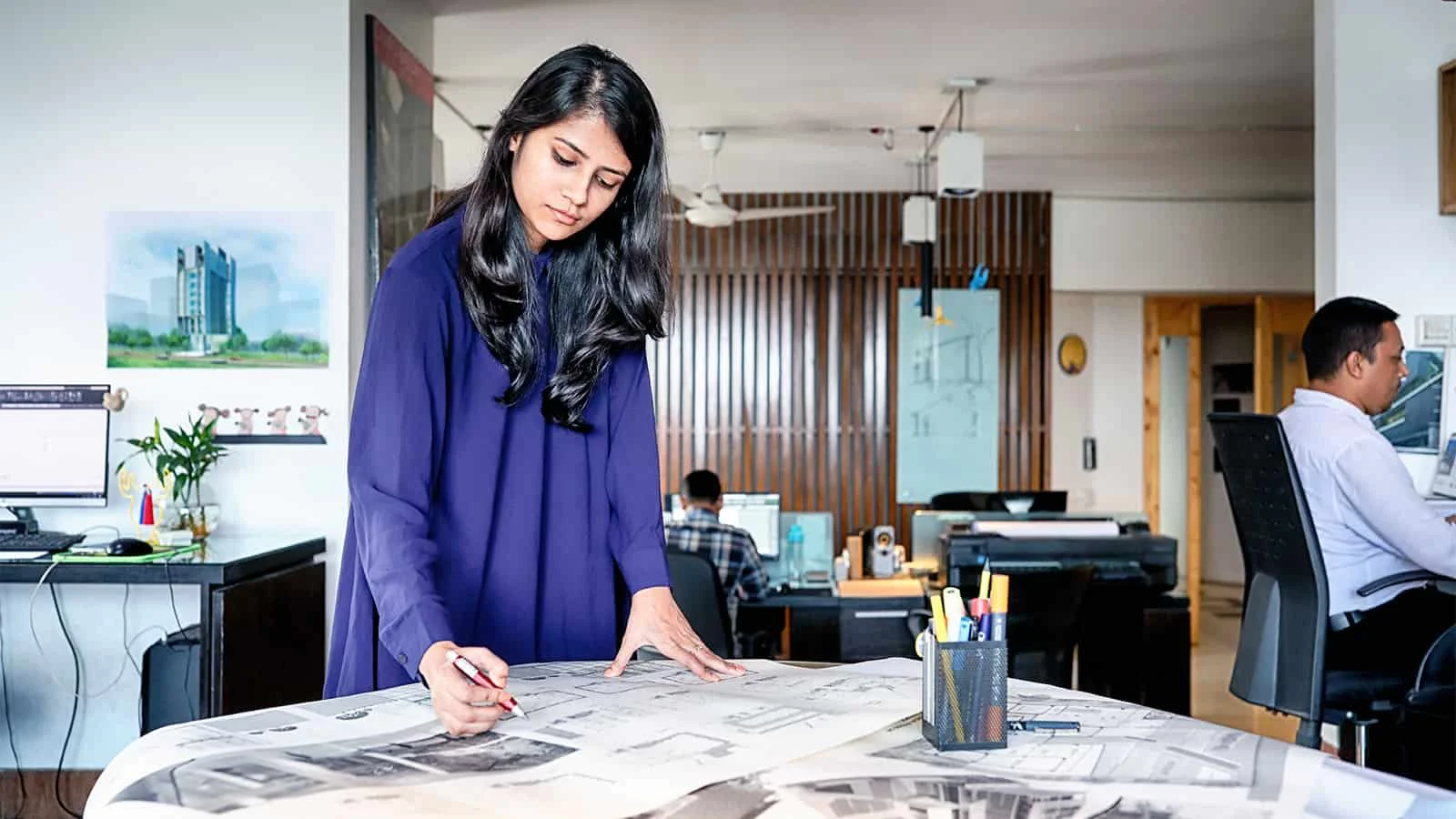
Employment generation remains a pressing challenge, with approximately 2.2 million individuals entering the workforce each year. Creating economic opportunities for youth is a key policy imperative, particularly amid the slowdown driven by low investment levels. Supporting SME growth can generate employment while laying the foundation for future export diversification. Expanding opportunities for overseas employment can also help increase remittances and reduce pressure on the domestic economy.
Our work in SME ecosystem and skills development continues to focus on strengthening the overall ecosystem. We are collaborating with the SME Foundation to support the development of a multi-year strategy. LightCastle is also co-implementing a multi-year programme, Biniyog Briddhi, aimed at fostering the social entrepreneurship ecosystem through impact investment. Meanwhile, our work with SheSTEM seeks to create equal opportunities for women in STEM by strengthening industry–academia linkages.
This year, LightCastle is co-launching a USD 10 million investment fund focused primarily on early- and growth-stage SMEs and startups. This initiative reflects our commitment to supporting Bangladesh’s growth journey—by generating employment, reducing inequality, and contributing to the country’s transition toward middle-income status.
We also intend to expand our work in agriculture, building on ongoing programmes in poultry, aquaculture, and horticulture. Our focus will remain on helping farmers benefit from improved market systems as a pathway to higher incomes.
The year ahead promises to be an exciting one, and we look forward to continuing our contribution to the growth and development of Bangladesh. Alongside, we’ll continue to expand our footprint internationally and continue driving impact our programs.
This article was authored by Zahedul Amin, Co-founder and Managing Director at LightCastle Partners. For further clarification, please contact: [email protected].
Our experts can help you solve your unique challenges
Stay up-to-date with our Thought Leadership and Insights