



GET IN TOUCH
- Please wait...

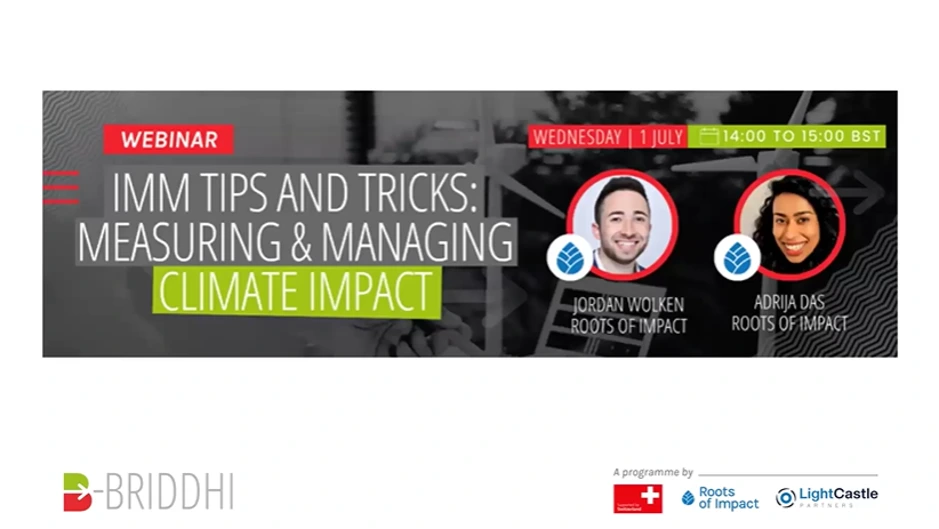
On Wednesday, 1 July 2026, Biniyog Briddhi hosted “IMM Tips and Tricks: Measuring and Managing Climate Impact.” The online webinar explored how impact enterprises and service providers in Bangladesh can measure and manage environmental impact data.
The one-hour session featured Jordan Wolken, Senior Associate, Impact Management, and Adrija Das, Manager, Impact Management, from Roots of Impact. Adrija opened the webinar with an overview of the B-Briddhi programme. Jordan then introduced the basics of climate-focused Impact Measurement and Management (IMM).
Setting the context, Jordan said Bangladesh faces severe climate risk and now attracts more attention and funding. He added that money and goodwill alone are not enough. More solutions must reach the market faster.
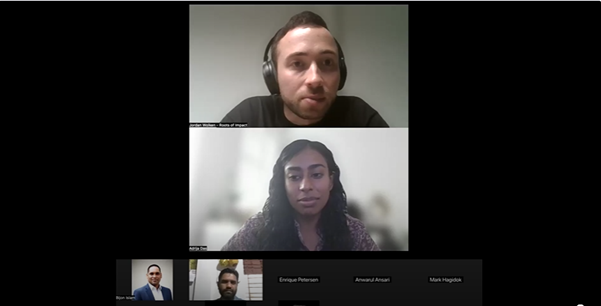
The webinar ended with an interactive Q&A session. Participants asked practical questions based on their own business experiences.
One participant asked how climate impact measurement could generate revenue instead of serving only as a reporting requirement. The discussion covered carbon finance, impact investment, and market opportunities for circular economy solutions. Jordan said that impact investors usually look first at commercial viability. He added that businesses should show strong financials, enough traction, and measurable impact backed by data.
Another participant asked how circular economy enterprises could start turning climate impact into carbon finance. Adrija explained that businesses should first reach a meaningful scale. At that point, they should reduce emissions by at least 30,000 tons of CO2 each year. She said they should then think about monetizing the project. She also recommended speaking with carbon project developers. They can help businesses understand the next steps.
The session showed participants that climate IMM offers more than a reporting framework. It helps enterprises strengthen credibility, attract the right investors, and unlock new commercial opportunities. Above all, the discussion reinforced a key message: small, practical improvements in environmental data management can create lasting value and support long-term business growth.
Watch the full session here.
B-Briddhi is a gender-inclusive programme supporting a thriving impact ecosystem in Bangladesh where impact enterprises can grow and scale. This programme is supported by Switzerland and implemented by Roots of Impact and LightCastle Partners
Our experts can help you solve your unique challenges