


GET IN TOUCH
- Please wait...

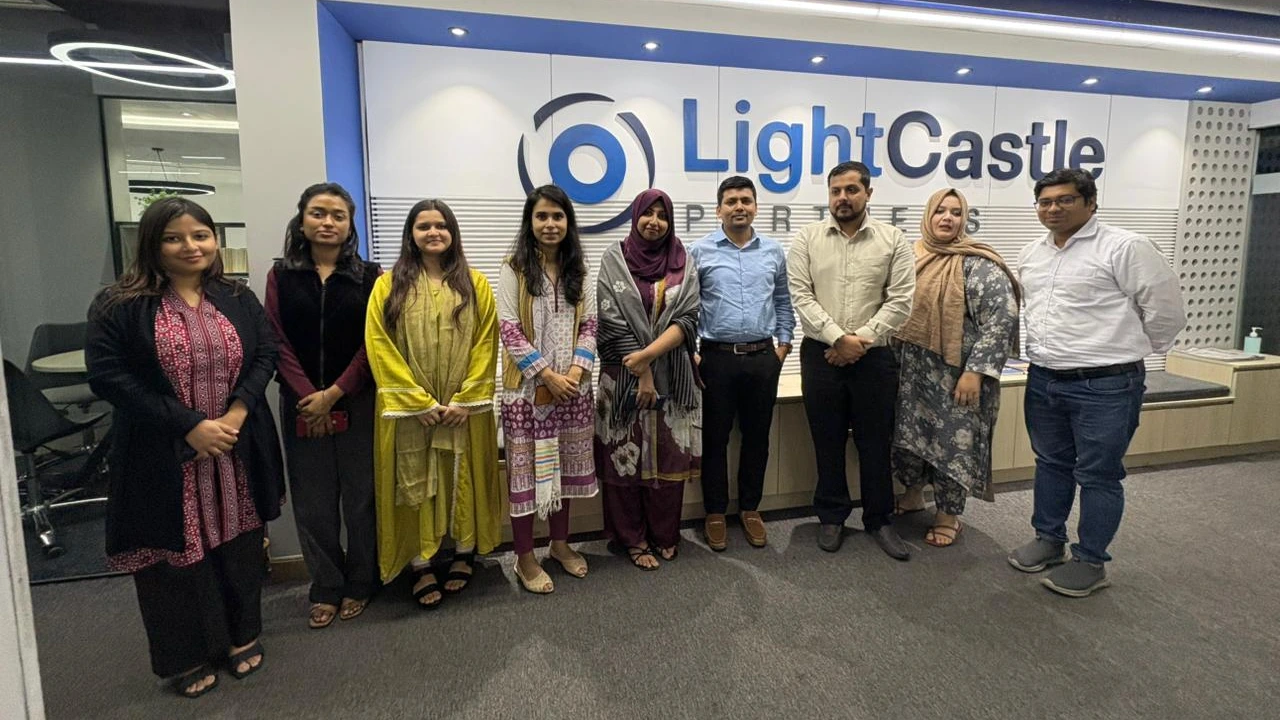
As part of the SheSTEM initiative’s ongoing efforts to promote inclusive and evidence-based workforce practices, LightCastle Partners recently convened HR leaders from leading STEM organizations for a report dissemination workshop held on 3 February. The session centered on the findings of the latest publication, Driving Inclusion in STEM: HR Frameworks and Global Best Practices for Gender Equity, and explored practical pathways to strengthen women’s participation and retention in STEM careers.
The workshop brought together HR professionals and organizational decision-makers to translate research insights into actionable strategies, with a focus on aligning diversity goals with business performance and long-term workforce sustainability.
The session began with a discussion on the structural and cultural challenges that continue to limit women’s participation in STEM fields. Participants examined barriers across the talent pipeline, including early-career drop-offs, workplace bias, limited growth pathways, and challenges related to work-life balance and organizational culture.
The findings highlighted that improving gender representation requires more than recruitment targets. Organizations must address workplace systems, policies, and leadership practices that influence retention, progression, and overall employee experience.
A key focus of the workshop was the role of HR in designing and implementing frameworks that support gender equity in a measurable and sustainable way. The discussion highlighted strategies to strengthen early-career female intake through inclusive hiring practices, structured onboarding, mentorship, and leadership development pathways.
Participants also explored the importance of embedding accountability through data-driven monitoring, performance-linked diversity metrics, and ROI-based incentive mechanisms. By linking inclusion outcomes to business performance indicators, organizations can move beyond symbolic commitments toward operational impact.
The session emphasized that gender inclusion is not only a social priority but also a strategic business imperative. Diverse teams contribute to innovation, stronger problem-solving, and improved organizational performance, particularly in technical and high-growth sectors.
Global best practices presented in the report demonstrated how organizations have successfully improved female representation by integrating flexibility policies, inclusive workplace design, and leadership-level ownership of diversity goals.
The interactive format allowed participants to reflect on their current practices, share organizational experiences, and identify practical steps for implementation. The discussion reinforced the need for cross-functional collaboration between HR, leadership, and operational teams to ensure that inclusion initiatives are embedded within core business strategy.
Through this dissemination workshop, LightCastle Partners continues to support organizations in translating research into action, strengthening institutional capacity, and advancing gender-equitable workforce systems within Bangladesh’s STEM ecosystem.
Our experts can help you solve your unique challenges