

GET IN TOUCH
- Please wait...

Despite being the 8th largest mango-producing country globally with an annual production of over 2 million tons, Bangladesh utilizes only a tiny fraction of its export potential, prompting the need of mango export diversification. With less than 0.05% of its total mango production reaching international markets. Compounding the challenge, inadequate post-harvest management and infrastructure result in an estimated loss of at least 24% of the country’s produced mangoes.
These critical findings were unveiled during an event titled “Advancing Mango Value Chains for Export Diversification,” held at the Six Seasons Hotel in Gulshan, Dhaka, on December 10, 2025. The event marked the official launch of the research report, “Advancing Mango Production & Forward Marketing in Bangladesh: From local Gardens to Global Markets,” published by the Sustainable Agriculture Foundation Bangladesh (SAF Bangladesh) and prepared by LightCastle Partners, with philanthropic support from HSBC Bangladesh.
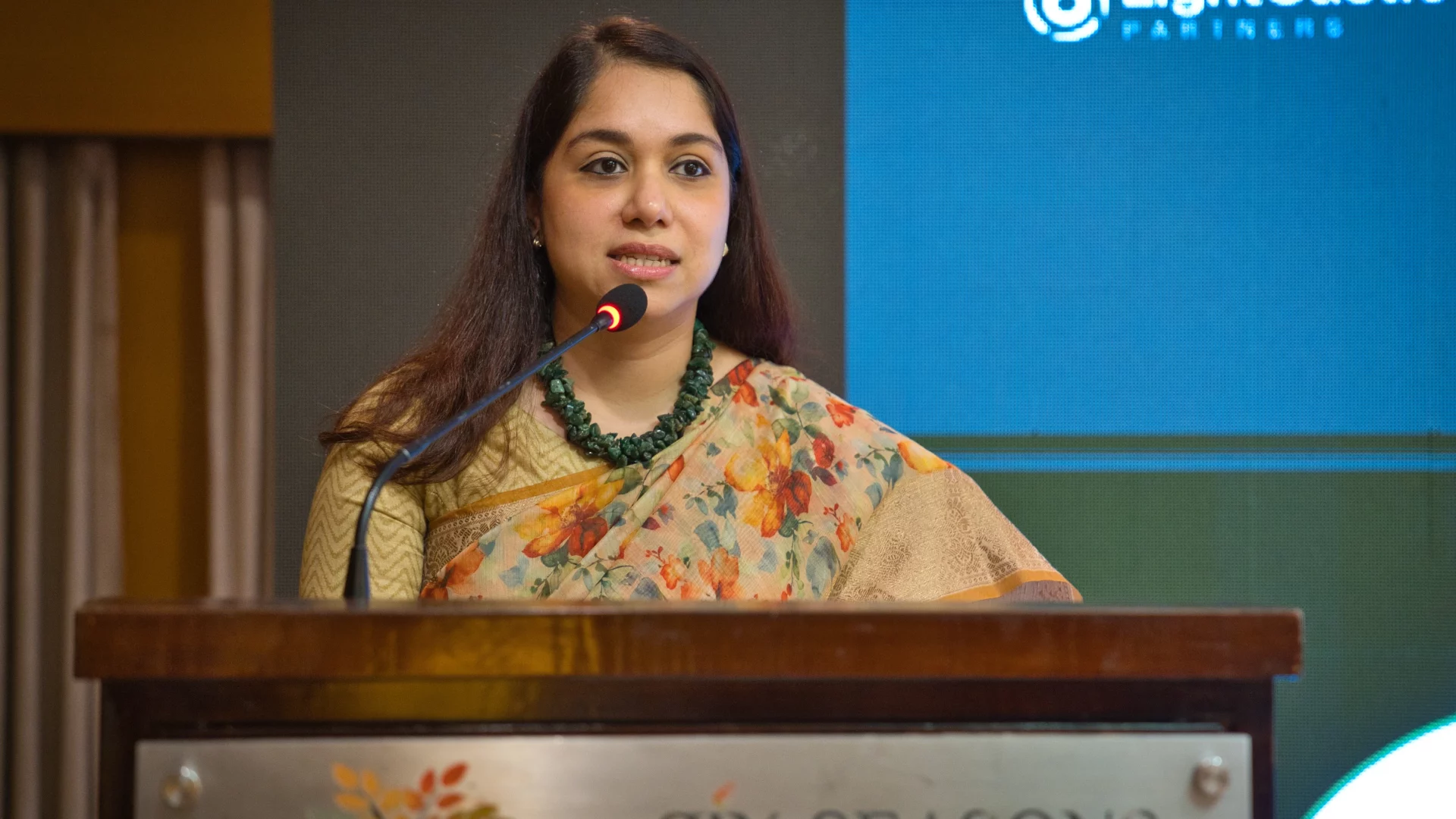
The event facilitated a stakeholder dialogue to discuss strategic initiatives required to advance the forward market of mangoes. The session commenced with welcome remarks delivered by Md Farhad Zamil, Executive Director of SAF Bangladesh, and Syeda Afzalun Nessa, Head of Sustainability at HSBC Bangladesh. A special note was made by Devesh Dayal Mathur, Chief Operating Officer, HSBC Bangladesh, reaffirming the collaborative commitment to support farmers across Bangladesh, especially in climate-vulnerable regions, as strengthening livelihoods in these areas is not just sustainability, it is resilience in action.
Key Findings from the Research Study
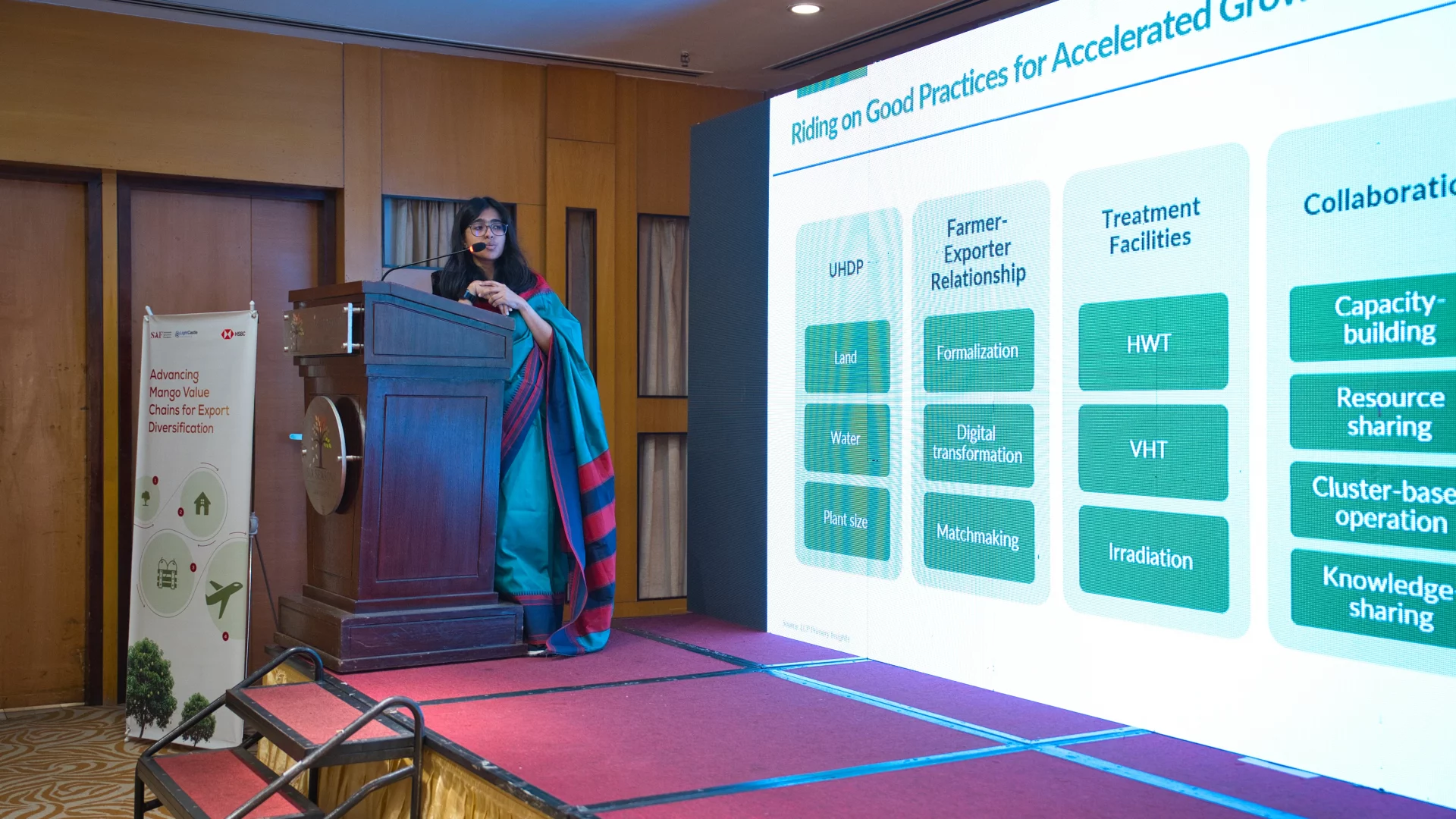
Through an insightful keynote presentation, the findings from the study were shared by Ainan Tajrian, Senior Business Consultant, LightCastle Partners. The research identifies several bottlenecks hindering the sector’s global competitiveness:
The study recommends prioritizing quality control, investing in post-harvest infrastructure, such as cold chain logistics, ensuring rapid adoption of international certifications like Global GAP, and focusing on brand building for Bangladeshi mangoes in global markets.
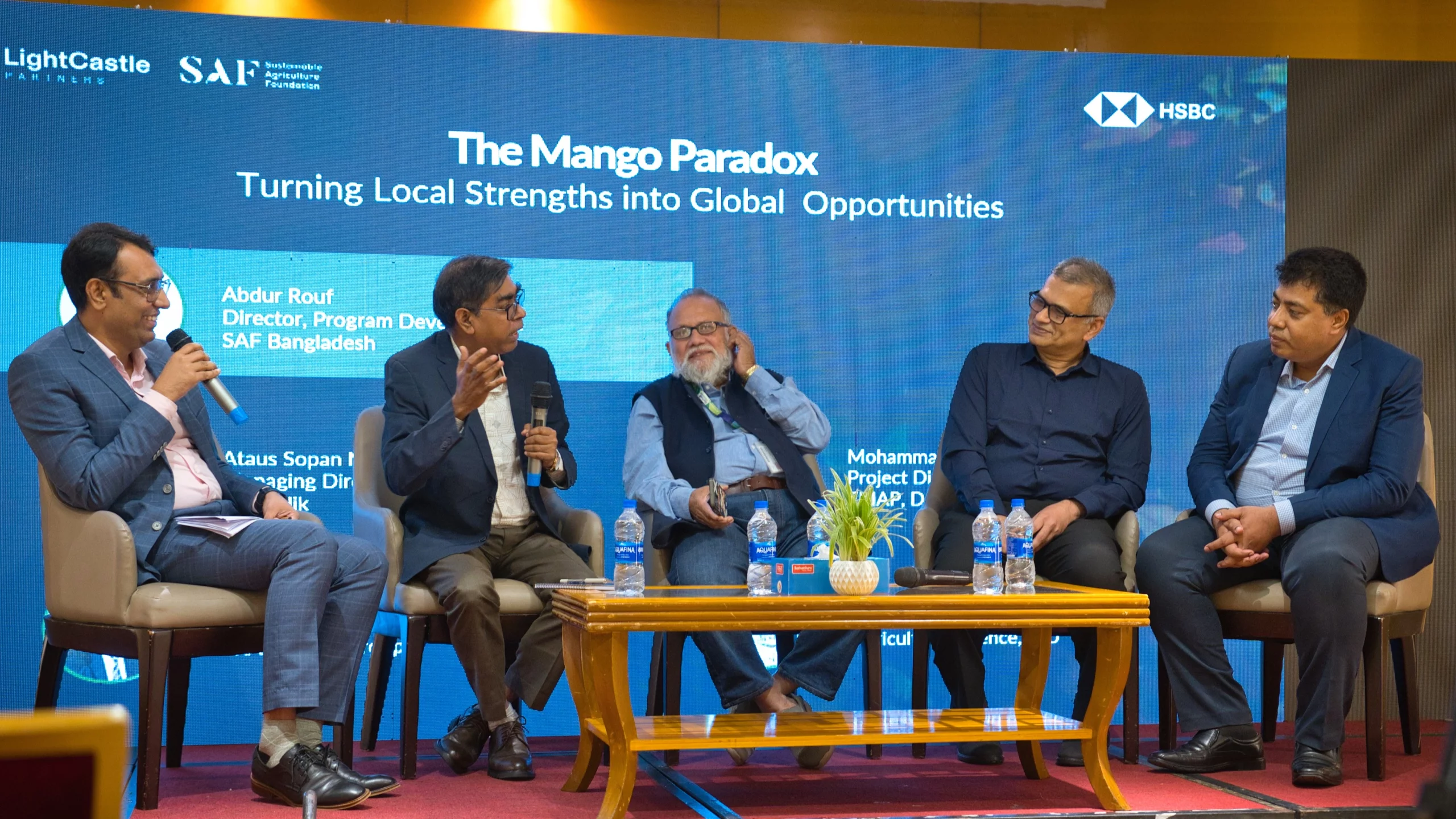
The Mango Paradox: How Do We Bridge the Production-Export Gap?
The event featured a high-level panel discussion on the bottlenecks and solutions for enhancing Bangladesh’s mango export readiness, where the panel was enriched with distinguished discussants from the mango sector, highlighting the core potential and key actionable:
Moderated by Abdur Rouf, Director of Program Development at SAF Bangladesh, the panel discussed key bottlenecks across production, processing, and export readiness, and policy, research and investment priorities to strengthen the competitiveness of the value chain.
The event also featured key stakeholders from the mango value chain. Acknowledging the existing challenges in the forward market of fresh mangoes, Atiqur Rahman, a Farmers’ Hub Owner from Chapainawabganj and a prominent mango processor and exporter, highlighted the potential of exporting processed mangoes: “When I took our dry mangoes to China, among ten countries, buyers said they loved ours the most. That moment showed me that Bangladesh can compete globally, and that our farmers can thrive with the right support.“
Following the unveiling of the report, the session was honored with remarks from the Chief Guest, Mr. Nasir-Ud-Doula, Director General (Additional Secretary) of the Department of Agricultural Marketing (DAM), Ministry of Agriculture. Mr. Nasir-Ud-Doula highlighted the importance of adopting a collaborative approach to promote the sector.
He shared that “With a holistic, time-bound plan that combines technical support, farmer training, and infrastructure like packhouses, we can modernize marketing systems, reduce post-harvest losses, and elevate Bangladesh’s mango exports to global standards.”
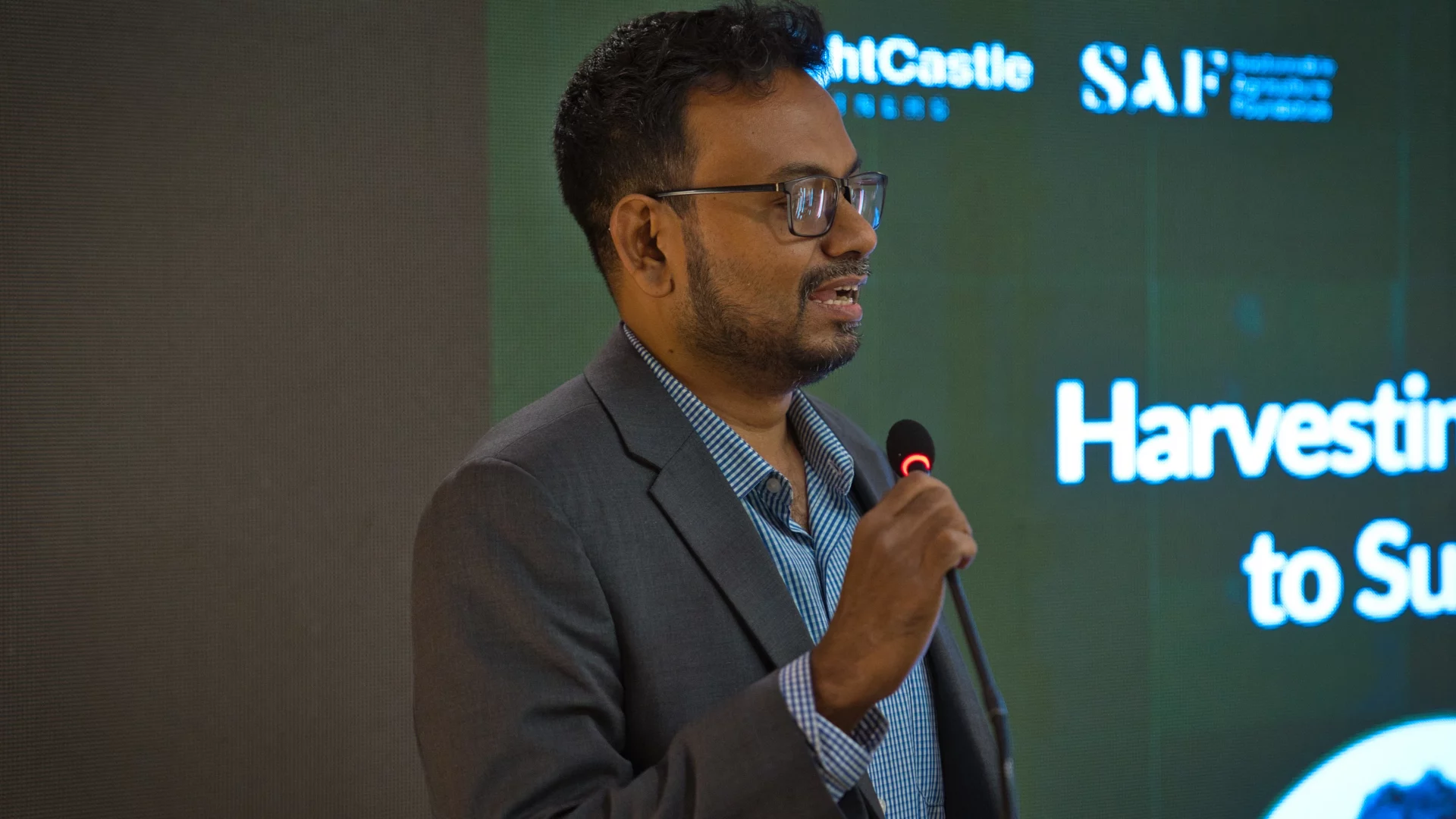
The session culminated in a summary and concluding note by Zahedul Amin, Managing Director of LightCastle Partners.
Our experts can help you solve your unique challenges