


GET IN TOUCH
- Please wait...

The Ready-Made Garments (RMG) sector stands at the center of Bangladesh’s economic success, accounting for over 84% of national exports and employing millions of workers. Over decades, the sector has benefited from policy instruments such as bonded warehouse facilities, export incentives, back-to-back L/Cs, and preferential trade access. However, as global apparel markets undergo a rapid transformation driven by decarbonization, energy security, and regulatory compliance, Bangladesh’s RMG sector faces a new and decisive challenge: the transition to a greener industry which will require the uptake of Renewable Energy (RE) at a scale. LightCastle has taken the initiative to hence host Bangladesh’s renewable energy policy roundtable
This transition is no longer a voluntary sustainability initiative, it is becoming a structural requirement for market access, particularly as Bangladesh approaches LDC graduation in 2026 and faces the full force of global climate linked trade measures. Rising fuel import costs, persistent power disruptions, foreign exchange pressure, and tightening environmental compliance from buyers have collectively pushed energy reform to the forefront of industrial policy discussions.
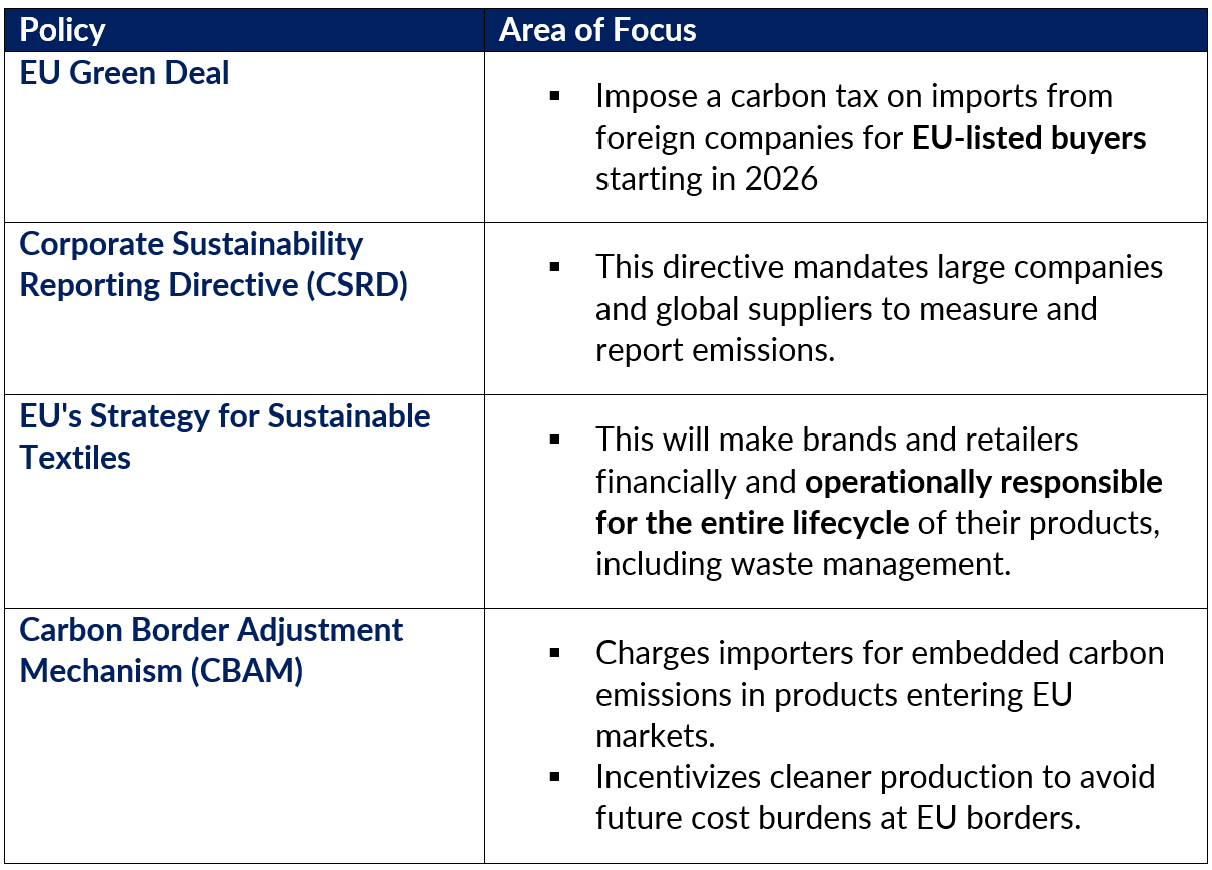
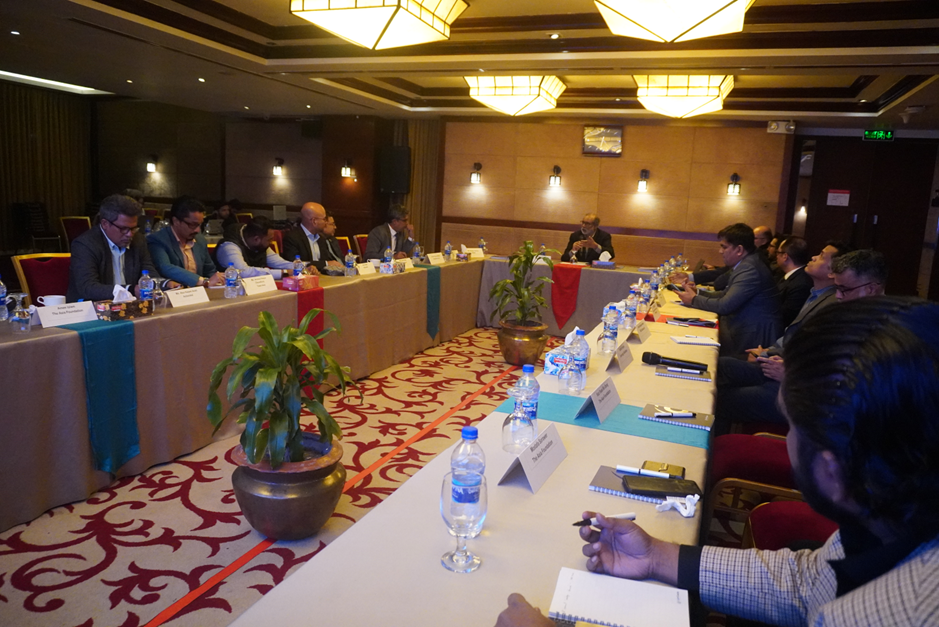
Against this backdrop, LightCastle Partners convened a high-level Renewable Energy Roundtable titled “Powering Bangladesh’s RMG Industry Future” on January 8, 2026, at a hotel in Dhaka. The session brought together policymakers, regulators, financial institutions, industry leaders, development partners, and technical experts to examine the feasibility, bottlenecks, and pathways for scaling renewable energy in the RMG sector.
Energy remains one of the largest cost components in textile and garment manufacturing. Bangladesh’s RMG factories operate in an environment of unreliable grid supply, forcing firms to depend on a costly mix of captive gas, LNG and diesel generators. This multi-source energy dependence has inflated production costs and undermined competitiveness.
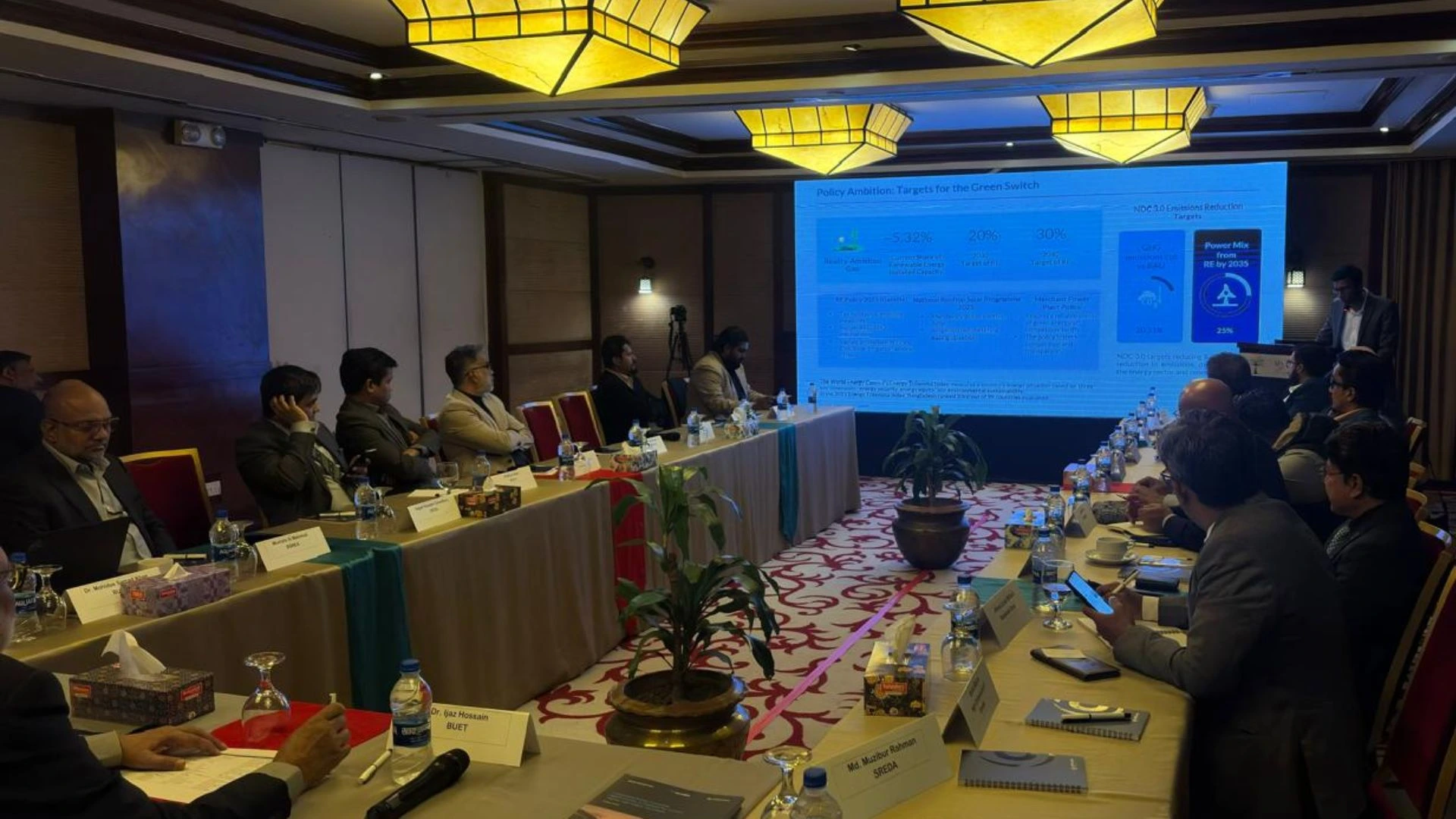
At the same time, global buyers particularly from the European Union are rapidly embedding climate requirements into sourcing decisions. Instruments such as the Carbon Border Adjustment Mechanism (CBAM), Digital Product Passport, and buyer led net zero commitments are redefining compliance thresholds. Factories unable to demonstrate credible decarbonization pathways risk exclusion from global value chains.
The roundtable discussions revealed a critical insight: Bangladesh is not constrained by technology or finance alone, but by policy alignment, market design, and institutional coordination.
The session opened with a compelling economic argument presented by Dr. Ijaz Hossain, former dean of Engineering, Bangladesh University of Engineering and Technology. He emphasized that solar energy in Bangladesh has already achieved grid parity. Even under conservative assumptions, rooftop solar electricity costs approximately 10 BDT per unit, which is lower than prevailing industrial grid tariffs.
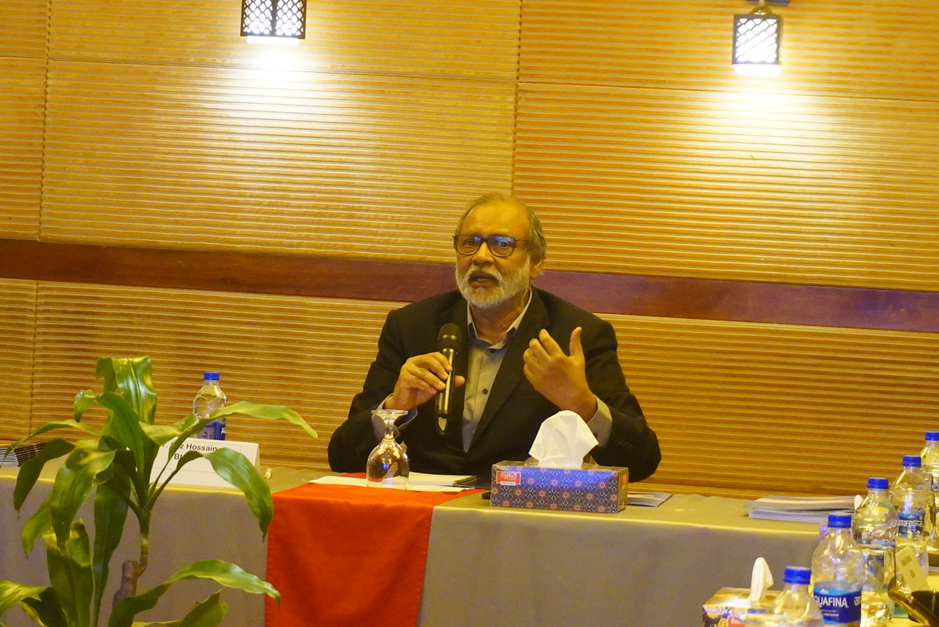
Despite official claims of 5.4% renewable energy capacity, actual grid-connected renewable generation remains minimal, around 1024 MW, while the RMG sector alone consumes nearly 3,000 MW. Dr. Hossain argued that this gap presents a massive untapped opportunity. If factories fully utilized rooftop space or adopted “Merchant Power Plant” models, where clusters of factories jointly invest in utility-scale solar plants, the sector could meet a significant share of its energy demand independently.
He cited Pakistan’s Sialkot model, where widespread rooftop solar adoption has effectively eliminated grid demand during daylight hours, demonstrating that such transitions are feasible in comparable industrial contexts.
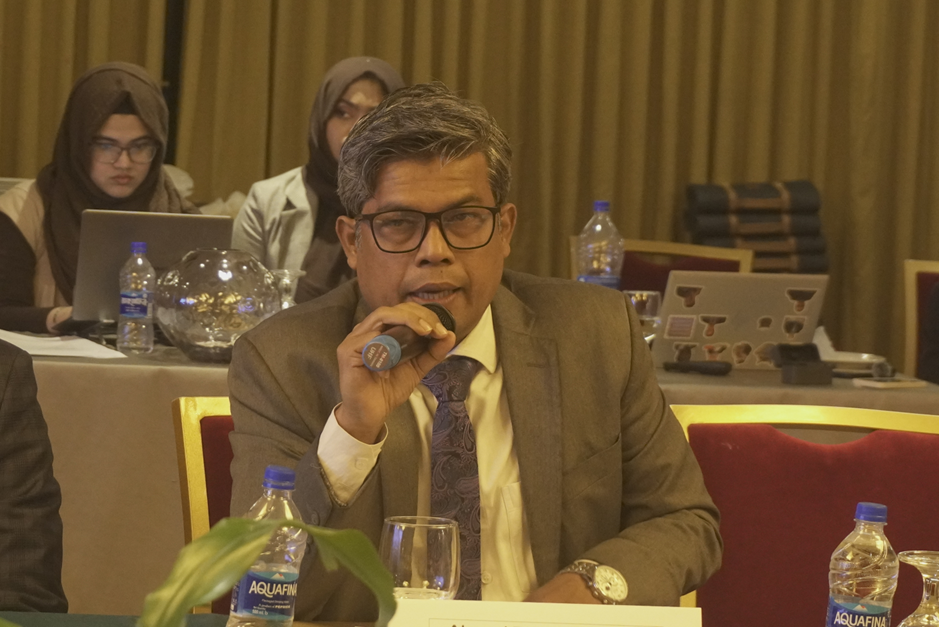
From a financing perspective, Ahmed Zubaer Mahbub, Additional Director, Bangladesh Bank, outlined how energy transition has become a macroeconomic priority. Bangladesh’s heavy reliance on imported fossil fuels has intensified foreign exchange pressure, making renewable energy not just an environmental concern but a balance of payments issue.
Bangladesh Bank currently operates several refinancing schemes for green projects, including a BDT 5,000 crore fund and two additional BDT 1,000 crore revolving funds. However, these facilities are nearly saturated. A key structural issue is the tenure mismatch: commercial banks rely on short-term deposits, while renewable energy projects require financing horizons of 5–10 years or longer.
To address this gap, Bangladesh Bank is actively working to facilitate Green Bond issuance, allowing banks to mobilize long term capital. Banks are also now required to disclose greenhouse gas emissions and reduction targets in their annual reports, supported by regulatory frameworks.
In addition, Bangladesh Bank is advocating for policies that would require Economic Zones (EPZs and SEZs) to source at least 20% of their energy from renewables, signaling a shift from voluntary adoption to regulatory mandates.
The urgency of renewable energy reform is underscored by the mounting fiscal strain on Bangladesh’s power sector. Despite receiving a subsidy of BDT 38,636 crore (USD 3.16 billion), the Bangladesh Power Development Board recorded a loss of BDT 17,021 crore (USD 1.4 billion) in FY2024–25. This persistent gap reflects structural inefficiencies stemming from continued reliance on expensive rental, LNG-based, and oil-fired power plants.
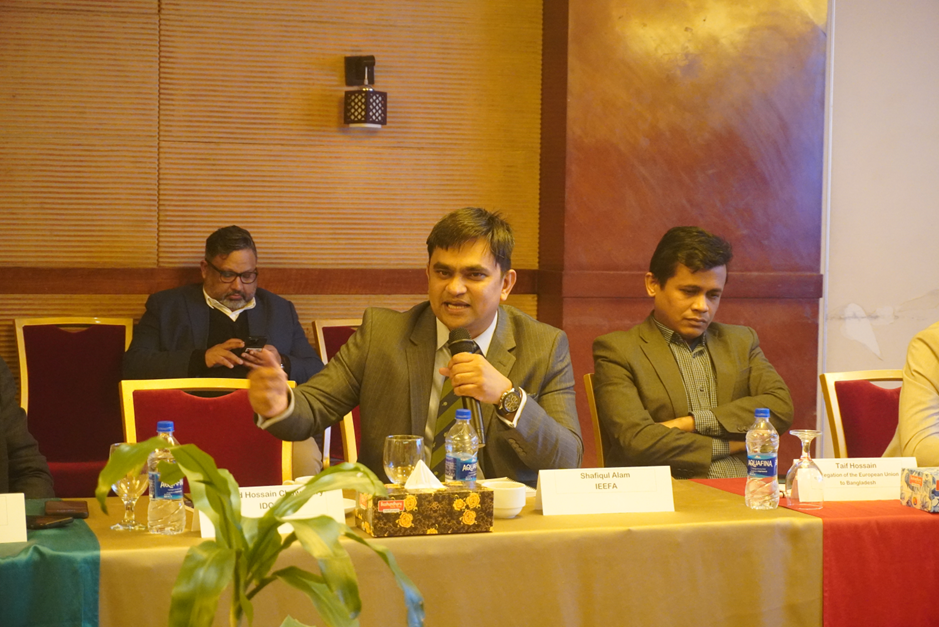
Shafiqul Alam, Lead Energy Analyst at IEEFA, noted that renewable energy, particularly rooftop solar, offers a direct and immediate fiscal remedy. Deploying 2,000 MW of rooftop solar could save Bangladesh approximately USD 1 billion annually by reducing power purchases from high cost generation sources. However, current policy design undermines this potential. Rooftop solar systems face effective import duties of 28.73% on panels and inverters, significantly weakening project economics and slowing adoption.
Beyond tax reform, He emphasised the role of market signalling and awareness in accelerating uptake. Industrial power tariffs in Bangladesh already exceed Vietnam’s 8.38 cent Feed-in Tariff, which catalysed a rapid rooftop solar expansion in 2020. This comparison indicates that rooftop solar in Bangladesh is not only economically viable but already competitive under prevailing tariff structures, yet policy distortions continue to constrain scale-up.
While financing exists, access remains uneven. Sajjad Hossain Chowdhury, Vice President and Unit Head of Credit Risk Management at IDCOL, noted that IDCOL has financed 128 MW of grid tied solar projects and maintains a 200 MW rooftop solar portfolio valued at approximately BDT 750 crore. IDCOL’s model offers ten year tenures with a one-year moratorium, allowing project cash flows to stabilise before repayment begins.
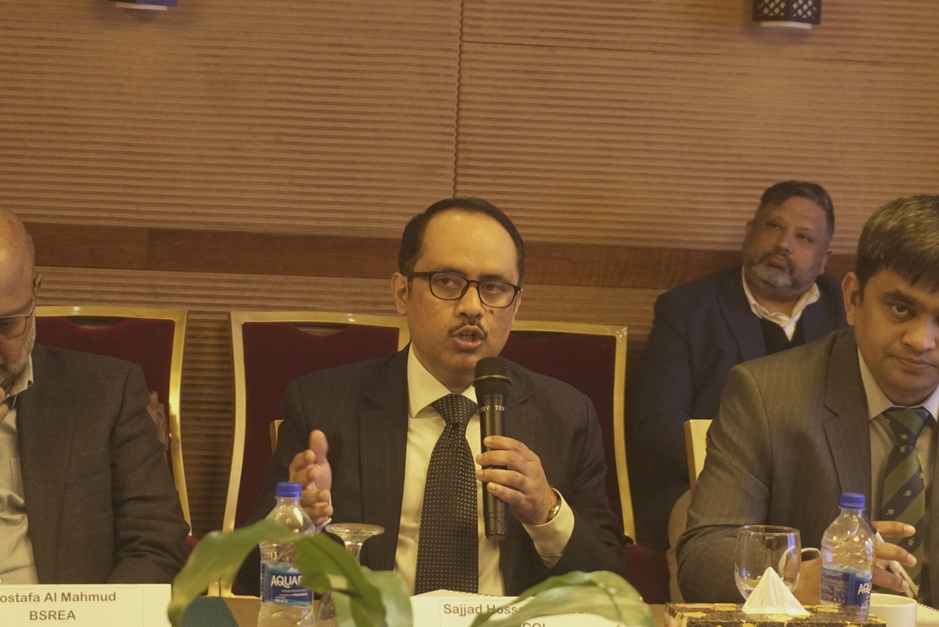
However, a recurring bottleneck is the lack of “bankable quality” among EPC firms. Many proposals fail to meet the technical, financial, or environmental due diligence standards required by institutional lenders. IDCOL therefore increasingly engages at the pre-COD stage, supporting site selection, system design, and compliance verification, while emphasising the urgent need to build EPC capacity to enable large scale deployment.

One of the most contested discussions centred on whether Bangladesh should introduce a Feed in Tariff (FiT) for renewable energy. Nure Alam, COO, Renewable Energy, PRAN group strongly advocated for a 15–20 year FiT, arguing that current EPC profit margins, often below 5% are insufficient to attract high quality developers. PRAN’s experience includes 16 MW of rooftop solar and a 100 MW solar park in Moulvibazar supplying energy to H&M-linked factories.

Beyond deployment, Dr. Mohidus Samad Khan, Professor, Department of Chemical Engineering, Bangladesh University of Engineering and Technology (BUET) raised concerns about the future waste footprint of renewable energy. Each 1 kW of solar capacity generates approximately 80 kg of waste, while lead acid batteries produce up to 200 kg of waste per kW, compared to just 5–6 kg for lithium-ion batteries. Without circularity and recycling policies, today’s clean energy solution risks becoming tomorrow’s environmental crisis.
Part Two of the discussion shifted toward governance failures. Md. Abul Kalam Azad, Manager ActionAid and JETnet-BD, expressed strong concerns over the lack of transparency in national energy planning, particularly evident in the release of the Energy and Power System Master Plan (EPSMP) without meaningful consultation or participation from industry stakeholders. The plan reflects a targeted slow transition and continued dependence on fossil fuels.
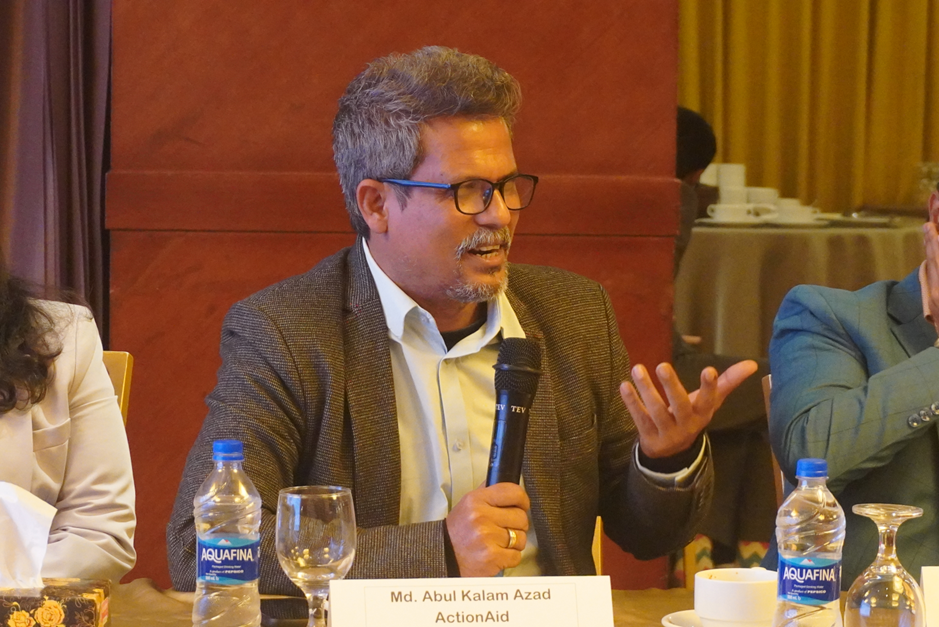
While RMG factories face increasing net-zero pressure from global buyers, the government has missed every renewable energy target since 2008, including the commitment to achieve 3,000 MW of rooftop solar by 2025 and the 10% renewable energy target set for 2020.
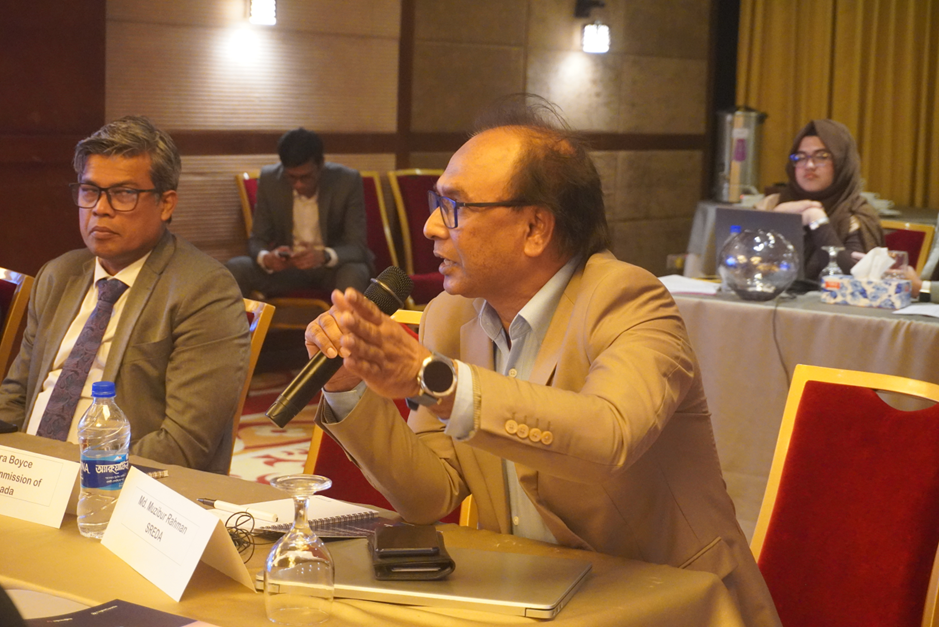
A major innovation discussed at Bangladesh’s renewable energy roundtable was the development of a National Carbon Registry. Engr. Md. Muzibur Rahman, Director (Deputy Secretary), Renewable Energy Development, SREDA revealed that international brokers often purchase carbon credits from Bangladeshi factories at USD 3–4, only to resell them abroad for USD 12–15, resulting in significant foreign exchange leakage.
SREDA’s proposed in house registry aims to retain value domestically by supervising credit issuance and trading. Kazi Ahsan Uddin (GIZ) described this as a potential “game changer”, especially if combined with banking modalities that bundle small, high-risk projects with lower-risk portfolios to improve bankability.
The final segment at Bangladesh’s renewable energy roundtable underscored a widening divide within the RMG sector. While over 270 factories have achieved LEED certification, approximately 350 factories closed in a single year. Nearly 70% of BGMEA’s 3,000 members are SMEs, lacking capital, roof space, or brand backed offtake agreements.
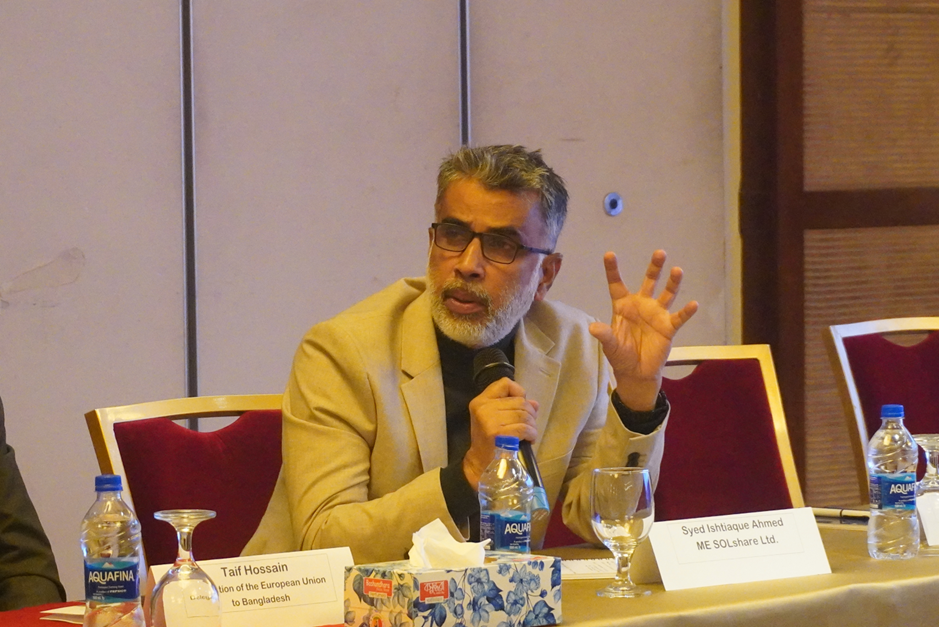
Yet, upcoming compliance regimes, such as EU Product Passports will apply uniformly, regardless of factory size. Syed Ishtiaque Ahmed (SOLshare Ltd.) warned of a “2027 cliff”, after which non compliant factories could be excluded entirely from global markets.
The renewable energy transition in Bangladesh’s RMG sector is no longer constrained by ambition or awareness. Solar power is economically viable. Financing instruments exist. Global demand for green supply chains is unequivocal.
What remains unresolved is policy coherence.
Without aligned regulations, realistic tax reform, predictable approvals, and inclusive financing mechanisms, particularly for SMEs, the transition risks benefiting only a handful of large players. At the same time, failure to act will expose the sector to rising energy costs, loss of market access, and environmental liabilities.
The roundtable concluded with a clear message: renewable energy is not a peripheral sustainability agenda; it is central to the survival and competitiveness of Bangladesh’s RMG industry.
Our experts can help you solve your unique challenges