



GET IN TOUCH
- Please wait...

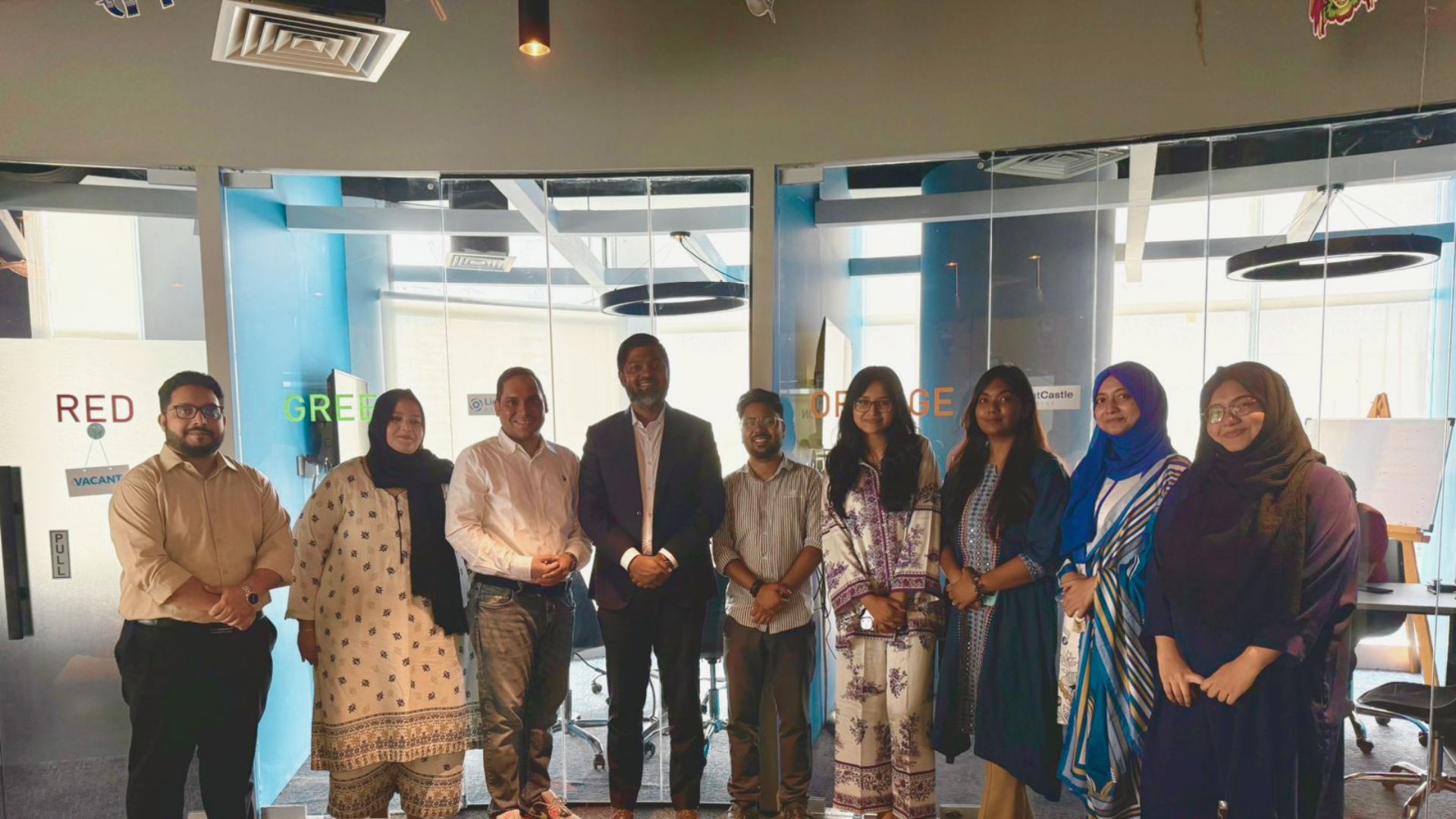
LightCastle Partners hosted the 9th session of its Leadership Academy, with a timely and thought-provoking focus on the theme, “Leading Banks and Organizations When Certainty Breaks.” The session explored how leaders can effectively navigate uncertainty in an evolving financial landscape shaped by economic volatility, digital disruption, and shifting workforce expectations.
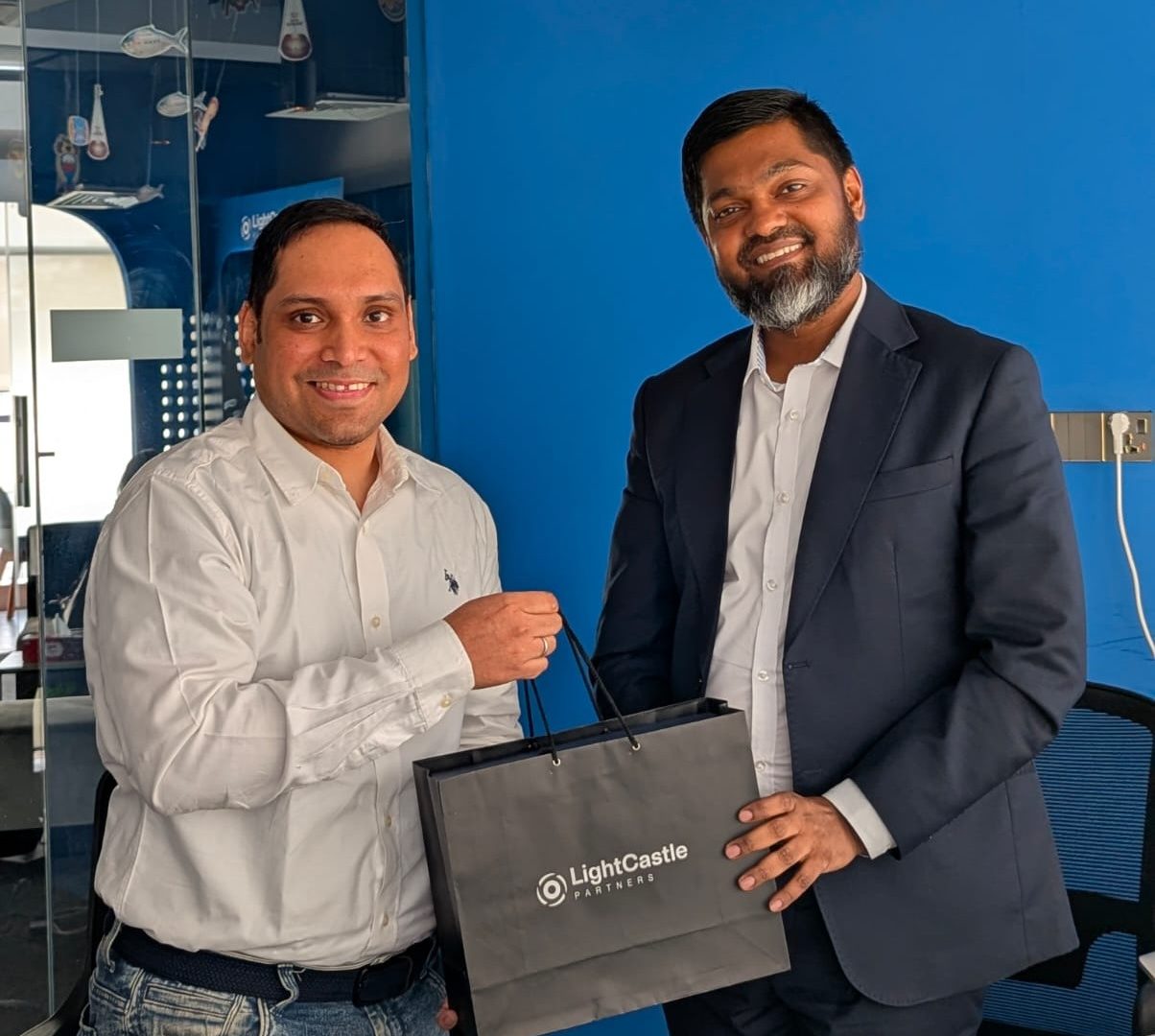
The session featured Mr. Mohammad A. Akher, Director and Bangladesh Treasury and Trade Solutions Head at Citi, as the distinguished guest speaker. Drawing on his extensive experience in the banking sector, Mr. Akher shared practical insights on leading through ambiguity, with a strong emphasis on people-centric leadership and ethical decision-making.
A key focus of the session was the dual impact of global and local challenges on leadership. Mr. Akher highlighted how economic pressures, including inflation and financial instability, are not only shaping institutions but also affecting employees through increased stress, job insecurity, and performance pressures. In parallel, the rapid rise of digital banking, fintech, and AI is transforming roles and skill requirements, creating both disruption and opportunity. He emphasized that leaders must play an active role in demystifying technological change, fostering a culture of continuous learning, and supporting teams through transitions.
The discussion further contextualized these challenges within the Bangladesh banking sector, where issues such as high non-performing loans, digitization gaps, and governance concerns create complex leadership realities. Mr. Akher underscored the importance of maintaining integrity under pressure, protecting teams from unethical practices, and building trust in environments where institutional confidence may be fragile.
Central to the session was the framework of people-first leadership, built on three core pillars—adaptability, ethical integrity, and a strong focus on people. Mr. Akher emphasized that effective leadership in uncertain times requires cultivating resilience, practicing empathetic and transparent communication, and investing in talent development through structured learning and mentorship. He further highlighted that leadership is reflected in everyday actions, where trust is built gradually through consistency and accountability.
The session also introduced practical leadership habits to strengthen decision-making, including adopting data-informed approaches, encouraging innovation through small and calculated risks, considering diverse perspectives, and reinforcing a culture of ownership and collaboration.
Participants engaged actively in the discussion, reflecting on the evolving role of leaders in balancing performance, ethics, and people priorities. The session concluded with a strong emphasis on the idea that in times of uncertainty, leadership is defined by the ability to steady teams, uphold integrity, and create an environment where people can adapt, grow, and perform with confidence.
Our experts can help you solve your unique challenges