


GET IN TOUCH
- Please wait...


Across Asia, the post-pandemic era has witnessed the rise of youth-led movements challenging long-standing political and economic structures. From Sri Lanka to Nepal, young people have questioned inequality, accountability, and the quality of governance. These developments highlight a generational shift in expectations: today’s youth seek transparency, equal opportunities, and a sense of agency in shaping their societies.
In Bangladesh, this conversation has become especially urgent. Following the July Movement and ahead of the upcoming national election, the country stands at a crossroads. The question confronting every political contender is clear: how will Bangladesh create opportunities that reflect the aspirations of its youth? The response will define not only who governs next but whether the nation can sustain its growth trajectory in a rapidly changing global economy.
Bangladesh possesses a powerful demographic advantage. Nearly two-thirds of its 170 million people are of working age, positioning the country for accelerated productivity and innovation. Yet this potential remains only partially realized. Global evidence suggests that effectively leveraging the demographic dividend can add between 1.5 and 2 percentage points to annual GDP growth, with youth employment and skills alignment contributing up to one-third of long-term economic gains. According to the Labour Force Survey Report 2024, 2.62 million Bangladeshis are unemployed, and 29 percent of them holds a graduate level degree.
Table 1 Unemployment Rate in 2023-2024
| Country | 2023 | 2024 |
| Bangladesh1 | 3.20% | 3.69% |
| Malaysia2 | 3.4% | 3.2% |
| Vietnam3 | 2.28% | 2.24% |
Employment numbers also mask job quality. A growing share of youth are engaged in temporary, gig, or informal roles that provide little income stability or career mobility. The headline employment rate, while encouraging, shadows the underemployment and skill-job mismatch shaping the lived experience of young workers in Bangladesh.
Bangladesh’s per capita income reached an all-time high of $2,820 (Tk 3,39,211) in FY 2024-25, according to the Bangladesh Bureau of Statistics, a milestone celebrated as evidence of the country’s economic maturity. Yet juxtapose this against other critical indicators, and a starkly different picture emerges:
This divergence is partly due to the nature of Bangladesh’s recent growth, which has been driven primarily by export concentration and infrastructure spending rather than broad-based job creation. At the same time, inflation, currency depreciation, and rising living costs have eroded household purchasing power. As a result, poverty has increased even as GDP per-capita rose, indicating that recent growth has not translated into improved real incomes for most households.
These figures reveal a widening gap between macroeconomic progress and individual well-being. Growth has raised aggregate income but hasn’t translated into employment opportunities, economic security, or improved living standards for the masses, particularly the youth who represent 60% of the working-age population. For a generation entering the workforce with higher education and global exposure, these contradictions are a source of frustration and uncertainty.
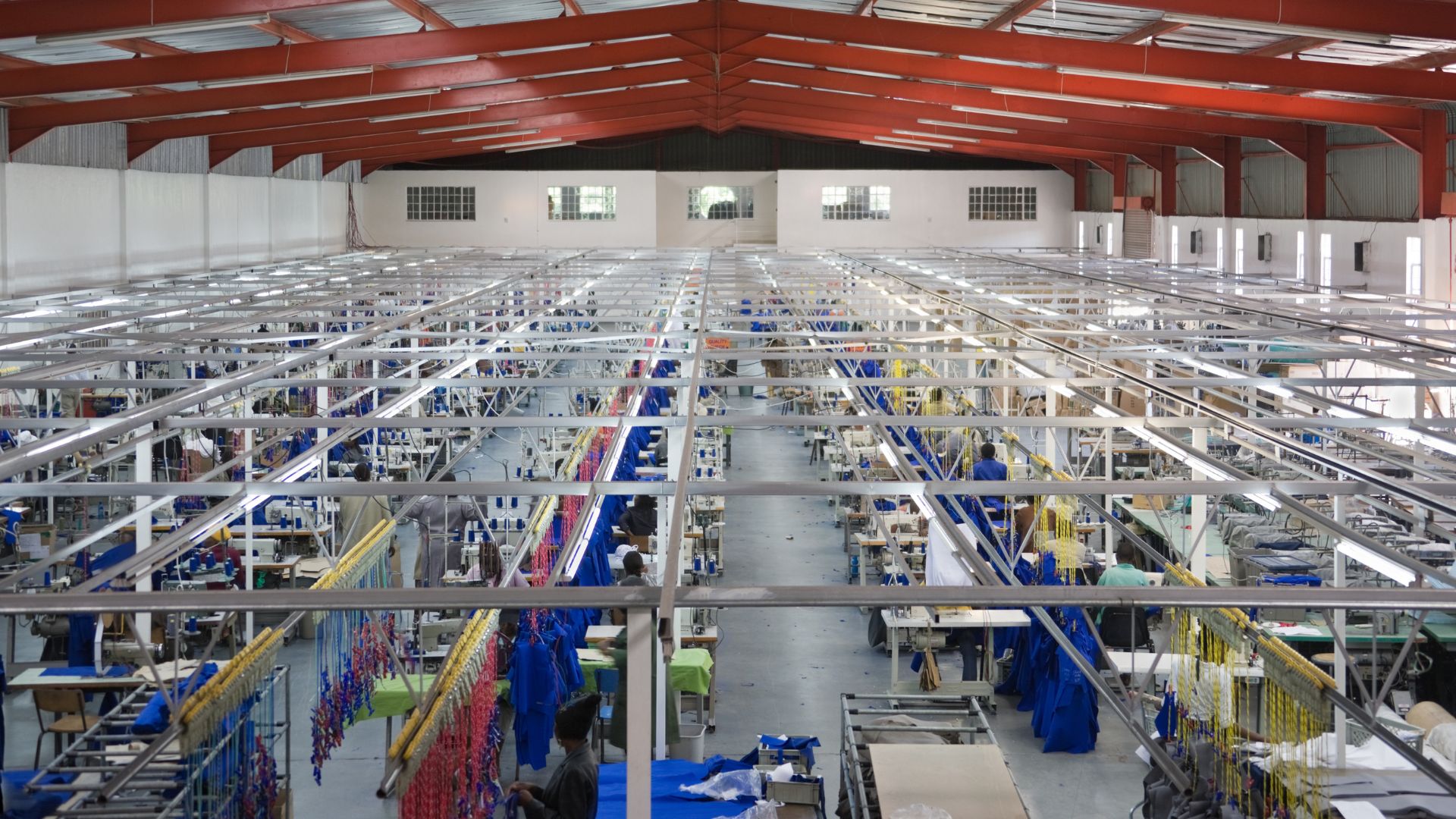
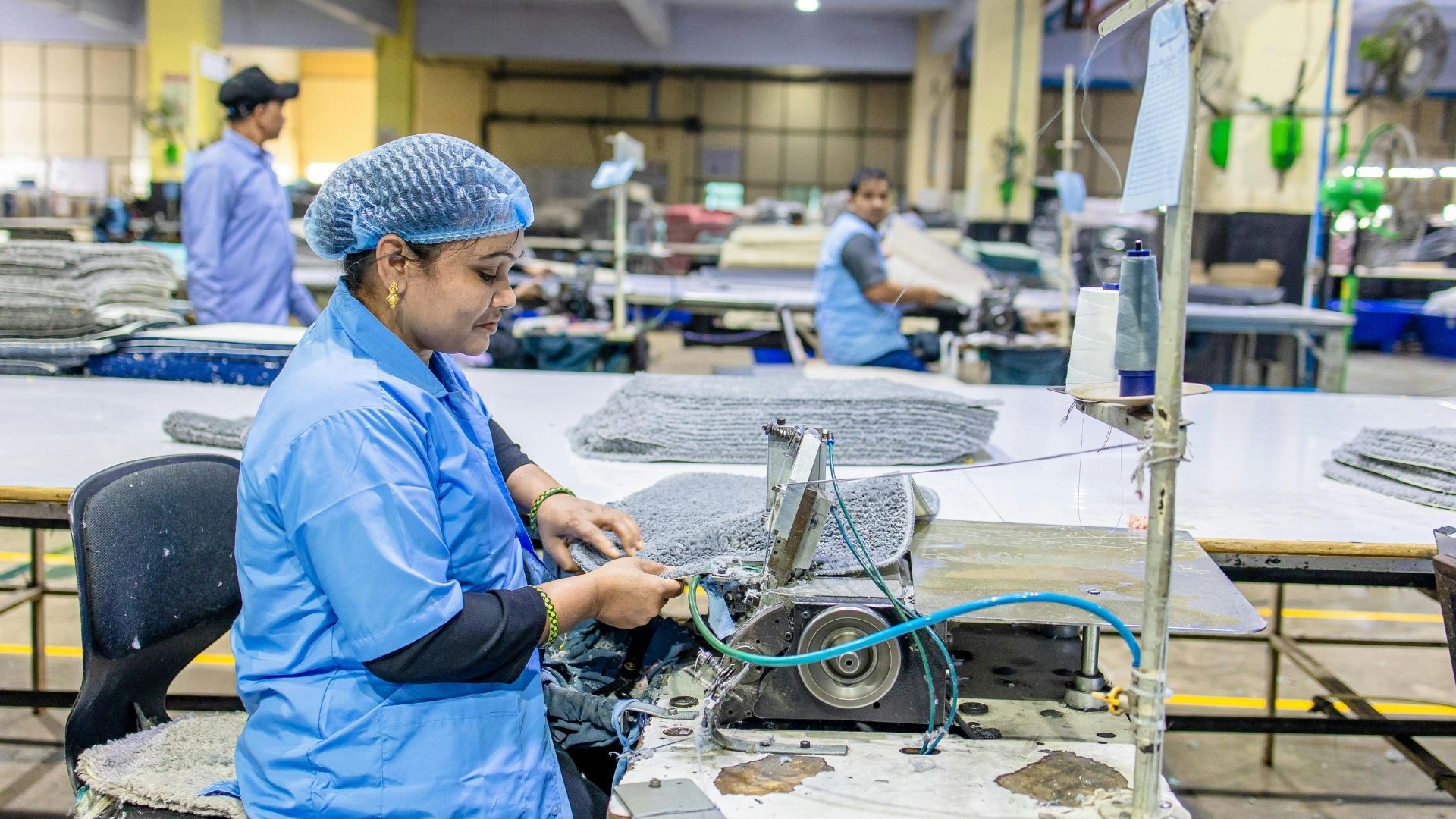
For more than three decades, Bangladesh’s economy has relied heavily on two pillars: ready-made garments (RMG) and migrant remittances. The RMG sector has accounted for over 80 percent of export earnings for ten consecutive years8. While this consistency has anchored foreign-exchange stability, it has also created structural dependence.
The sector’s contribution to GDP and employment is significant, but it remains concentrated in low-value, cost-competitive manufacturing. Progress toward design, branding, or advanced textile production has been limited. As a result, opportunities for university-educated youth within this industry are narrow, confined mostly to management or compliance roles.
Remittances, too, reflect a complex reality. They contribute substantially to external stability, yet over 50% of Bangladeshi migrants are classified as low-skilled9. Many work abroad in challenging conditions with limited protection. For young graduates at home, the contrast is stark: those leaving the country often find better livelihoods than those staying behind. The prevalence of the saying “The great Bangladeshi dream is to leave Bangladesh” among Gen Z peer groups reflects not just ambition but profound disillusionment.
As per the Final Labor Force Survey Report (2024), more than 900,000 graduates remain unemployed in Bangladesh10. This imbalance has fueled perceptions of jobless growth, where large-scale infrastructure projects and impressive GDP statistics coexist with limited job creation. The infrastructural development and financial gains of the status quo were showcased as national progress, perceived a widening gap between these investments and their day-to-day lives. The disconnect contributed to a broader sentiment that economic gains were not being shared equitably, particularly among younger and aspiring workers.
In consequence, the July Movement became a flashpoint for accumulated youth frustration. The protests were about more than politics; they reflected a generation’s demand for relevance and recognition in national decision-making. Young Bangladeshis are not rejecting growth itself but questioning a model that measures success by GDP rather than by opportunity, fairness, and quality of life.
Looking into the regional peers who pulled a stronger and sustaining economy, Both Vietnam and Malaysia started from comparable positions to Bangladesh but executed fundamentally different development strategies. Vietnam and Malaysia offer instructive comparisons. Both began from development baselines similar to Bangladesh’s but pursued deliberate diversification strategies aligned with long-term national visions.
Malaysia transitioned from a commodity-based economy to a diversified industrial-service model through targeted industrial policy and consistent investment in human capital. The New Economic Policy of 1971 balanced social inclusion with aggressive industrialization, drawing FDI into electronics and automotive manufacturing11. By 2020, services accounted for more than half of GDP12.
Vietnam launched its Đổi Mới reforms in 1986, liberalizing trade and promoting private enterprise. Over three decades, it evolved from low-cost manufacturing toward electronics, machinery, and information-technology exports. Today, services contribute about 51.11% of GDP13. Both countries integrated industrial upgrading, skills development, and institutional continuity within their policy frameworks. At the same time, it is important to recognize that these development paths were not without challenges, and Bangladesh should draw lessons from the bottlenecks these countries encountered.
To align its economy with the expectations of a digitally native generation, Bangladesh must adopt a forward-looking strategy focused on productivity, diversification, and inclusion. Three areas stand out:
1. Building a skills-ready workforce: Education must move beyond degree accumulation to develop competencies relevant to modern industries. Public-private partnerships can connect universities, training institutes, and employers to design curricula focused on digital skills, analytics, creative services, and entrepreneurship.
2. Accelerating service-sector development: Considering the geographic connectivity advantage, Bangladesh can become a regional hub for IT-enabled services, logistics, financial technology, and creative industries. Policy incentives and infrastructure investments can attract domestic and foreign investors seeking competitive service locations.
| Year | Export Earning from ITES14 |
| FY2024 | $850M |
| FY2023 | $548M |
| FY2022 | $592M |
3. Institutionalizing youth participation: Sustained growth requires that young citizens see themselves reflected in governance. Establishing youth advisory councils, innovation funds, and transparent feedback mechanisms will ensure policies remain responsive to emerging labor-market realities. Government can further strengthen this by establishing structured entry points that allow young professionals to contribute directly to policy design and administrative processes. Engaging youth within ministries and secretariats will also create opportunities for intergenerational collaboration, enabling more inclusive and grounded decision making.
The upcoming election is more than a contest of parties; it is a test of credibility. The July Movement reminded policymakers that inclusion cannot be postponed indefinitely. To restore trust, the next government must demonstrate that democratic institutions can deliver tangible results for young people.
Beyond political representation, this involves practical action: fair recruitment processes, consistent policy signals, and programs that translate growth into livelihoods. For the private sector, youth engagement is equally strategic. Businesses that invest in skills, mentorship, and innovation ecosystems will not only enhance competitiveness but also strengthen social cohesion. Effective industry-academia partnerships will play a central role more than ever in shaping a workforce that can meet the demands of a modern, service-oriented economy.
Bangladesh’s story over the past two decades has been one of resilience, ambition, and collective determination. Yet the gains reflected in headline growth have not always translated into the opportunities and mobility that young people expect. Even so, the perseverance of its citizens has kept the economy moving forward through moments of uncertainty. The next phase of strategy must therefore focus on strengthening the link between economic progress and lived outcomes.
A diversified, service-oriented economy built on skills, technology, and innovation offers a pathway to convert demographic potential into broad-based prosperity. The coming years will determine whether Bangladesh can transition beyond its manufacturing-dependent model toward one that empowers its next generation. Achieving this shift will not only enhance economic performance but also renew the promise of progress for millions who stand ready to contribute to the country’s future.
This article was authored by Jannat E Jahan, Business Consultant at LightCastle Partners. For further clarifications, contact here: [email protected].
Our experts can help you solve your unique challenges
Stay up-to-date with our Thought Leadership and Insights