



GET IN TOUCH
- Please wait...


What LightCastle Has Read in 2026 showcases the books that have inspired our thinking and contributed to our team’s growth over the past year. From thought-provoking non-fiction to compelling fiction, these selections reflect our continued commitment to continuous learning and fostering a knowledge-driven culture.
As we navigate an increasingly complex and rapidly evolving world, these books have offered fresh perspectives, challenged our assumptions, and sparked meaningful conversations. We invite you to explore the titles that have shaped our thinking, strengthened our problem-solving, and influenced the way we approach our work.
Author: Dave Eggers
Reviewed by: Ainan Tajrian, Senior Business Consultant
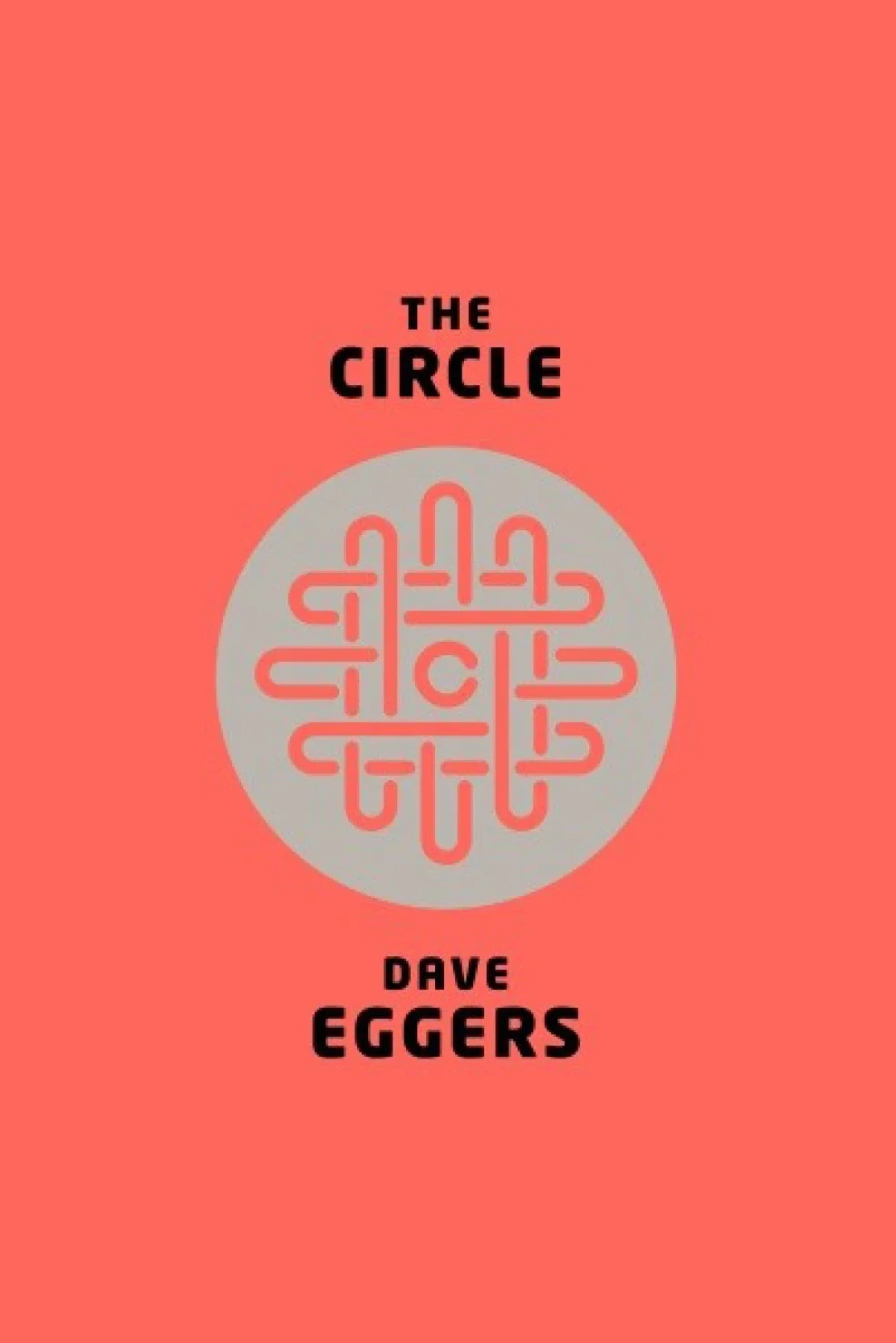
The Circle is an intriguing fiction presenting the layers of building a pseudo digital social circle where notion of privacy is challenged as a theft of people’s right to learn about anything and everything and secrecy is deemed to be a crime because if you haven’t done anything wrong what is there to hide. The story beautifully crafts the addictiveness of social media, which in the guise of offering simplicity and transparency has the potential to amplify peer pressure to coercion. Through the dystopian world of The Circle, a reader is bound to rethink governance frameworks for fast-paced innovations, by upholding ethical and accountable democratic practices.
The book interestingly places the notion of how thin the wall is between using technology for good and bad, and makes one think:
“The tools are neutral; it’s how we use them”
Author: Philip E. Tetlock , Dan Gardner
Reviewed by: Shoumik Shahriar, Senior Business Consultant & Project Manager
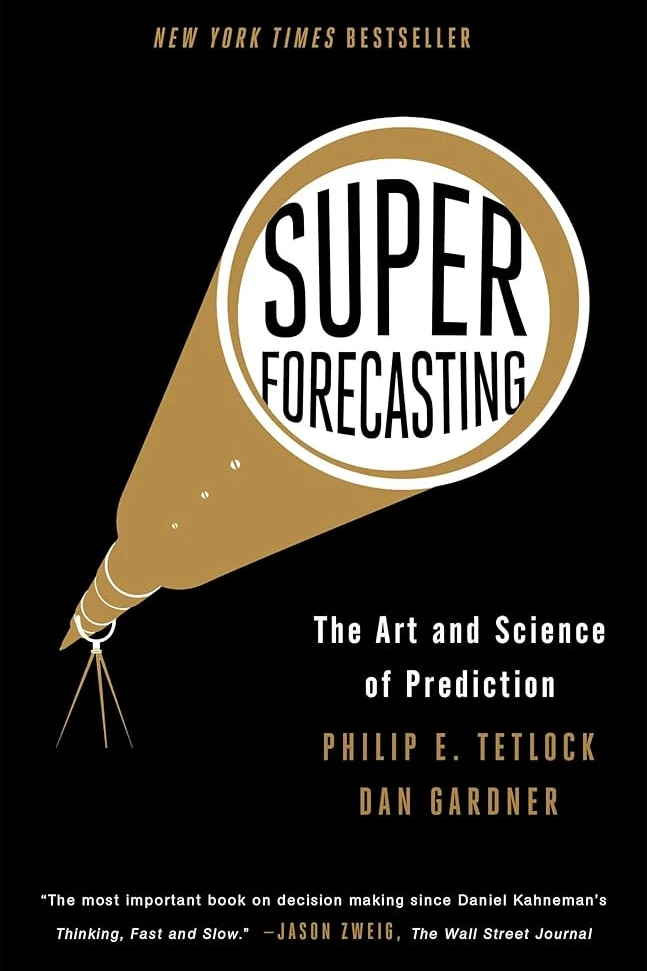
Continuously question your own thinking and be willing to change your mind based on evidence, not opinions. Good judgment comes from updating your beliefs as new information emerges, challenging your assumptions, and embracing uncertainty instead of clinging to certainty. Superforecasters succeed not because they are always right, but because they are constantly learning and refining their thinking.
“Consensus is not always good; disagreement not always bad. If you do happen to agree, don’t take that agreement—in itself—as proof that you are right. Never stop doubting.”
Author: Paul Millerd
Reviewed by: Omar Farhan Khan, Principal Business Consultant & Project Manager
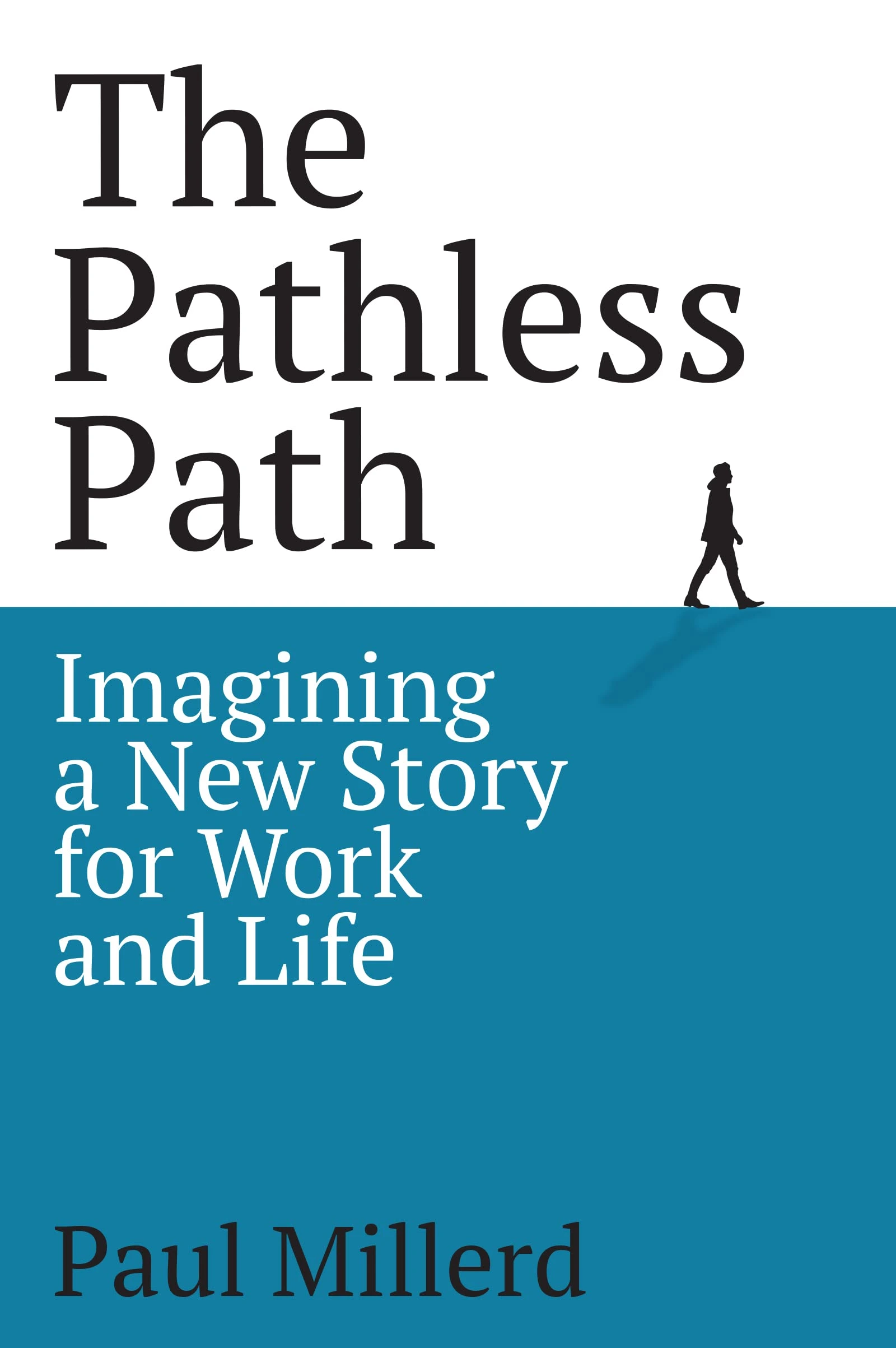
The key learnings are- Society sells a narrow “default path” (good grades → good job → promotions → retirement) that trades meaning for status, security, and approval, often leaving people burnt out and unfulfilled. The “pathless path” is an alternative: an uncertain, self‑designed way of living that prioritizes meaning, aliveness, and freedom over prestige and the corporate ladder. Meaningful work makes you feel “necessary” — creative, connected, and irreplaceable — not just busy or productive. Real freedom is internal: the ability to say no, walk away from roles that don’t fit, and define success on your own terms, not by job title or income. Instead of a perfect 5‑year plan, treat life as small experiments: try new skills, side projects, and ways of working, and pay attention to what feels alive. Success is not climbing higher, but building a life that feels meaningful, sustainable, and aligned with your values — deliberately, not by default.
“The longer we spend on a path that isn’t ours, the longer it takes to move towards a path that is.”
Author: Peter Thiel
Reviewed by: Nazmul Kabir Al-Mehmud, Senior Businss Consultant
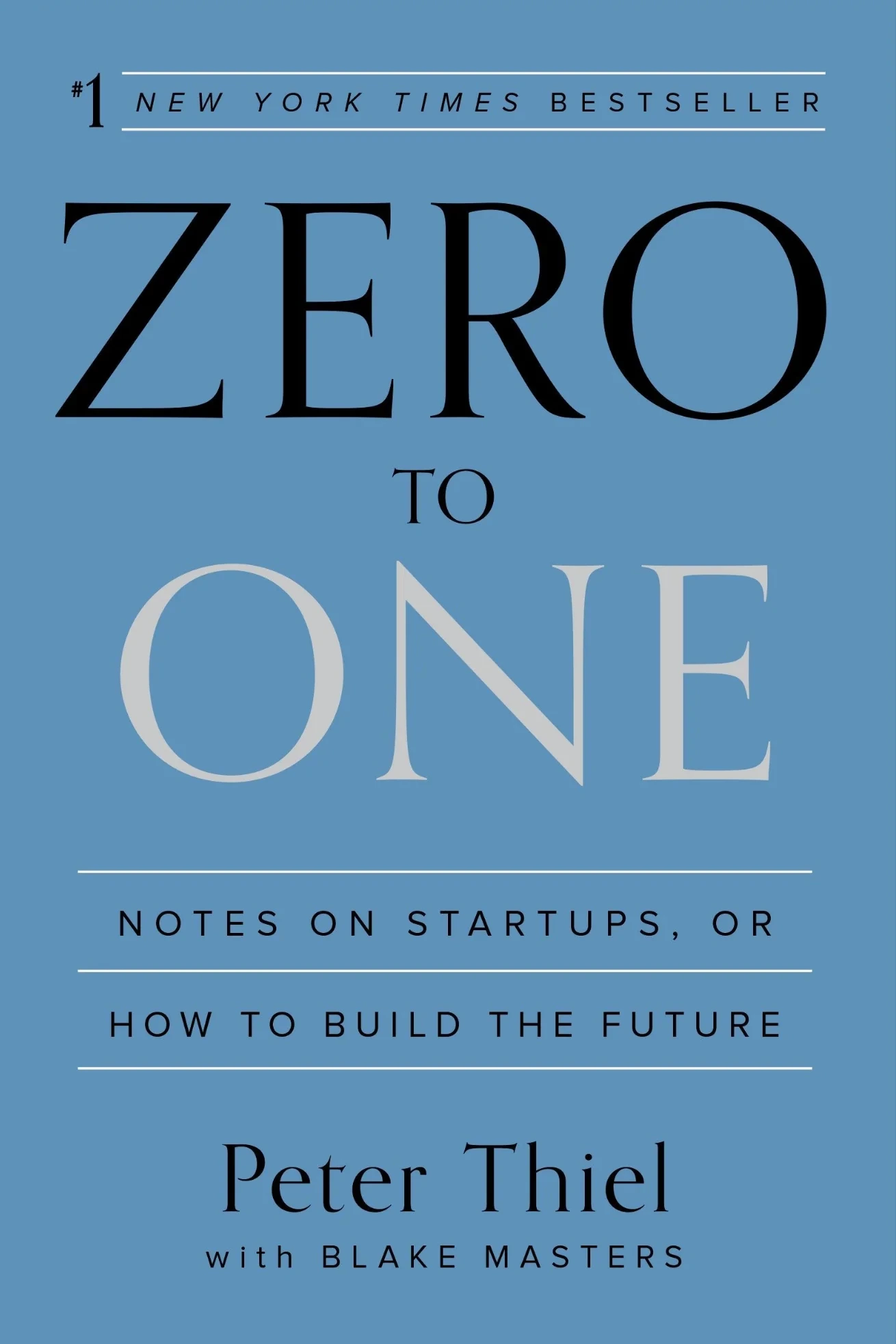
Reading Peter Thiel’s Zero to One reminded me that true innovation is about human courage to create something new, moving from 0 to 1. I liked the idea of “The Secret,” which encourages us to trust our unique market observations instead of industry buzzwords. My favorite quote, “All happy companies are different: each one earns a monopoly by solving a unique problem,” highlights the value of “blue ocean” strategies over incremental ones. The book’s main message is that a business is a shared human mission, not just a legal entity or a code; it calls on us, as consultants, to be “definite optimists” who actively help design a better future for all.
“All happy companies are different: each one earns a monopoly by solving a unique problem. All failed companies are the same: they failed to escape competition.”
Author: Zoulfa Katouh
Reviewed by: Shoumik Shahriar, Senior Business Consultant & Project Manager
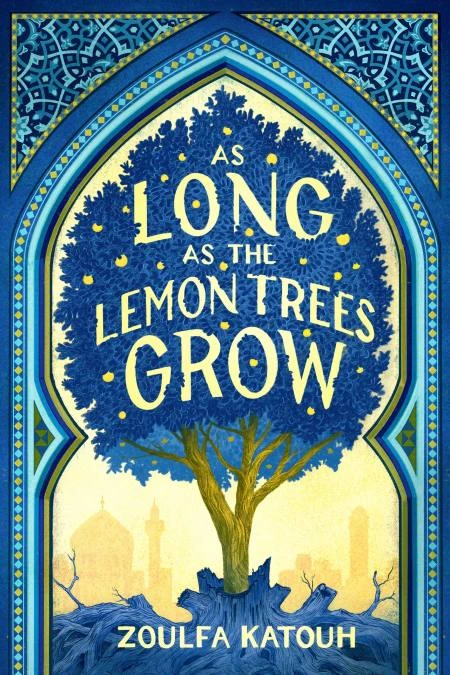
As Long as the Lemon Trees Grow explores the devastating human cost of war while reminding readers that hope can survive even in the darkest circumstances. Through Salama’s journey, the novel shows that courage is not the absence of fear but the choice to keep going despite it. It highlights the emotional toll of grief, survivor’s guilt, and impossible choices, while celebrating the healing power of love, friendship, and compassion. Above all, the story challenges us to see refugees not as statistics, but as individuals with dreams, families, and lives forever shaped by conflict, leaving us with the belief that hope can endure as long as we refuse to let it die.
“We don’t have to stop living because we might die.”
Author: Durreen Shahnaz
Reviewed by: Naziba Ali, Business Consultant
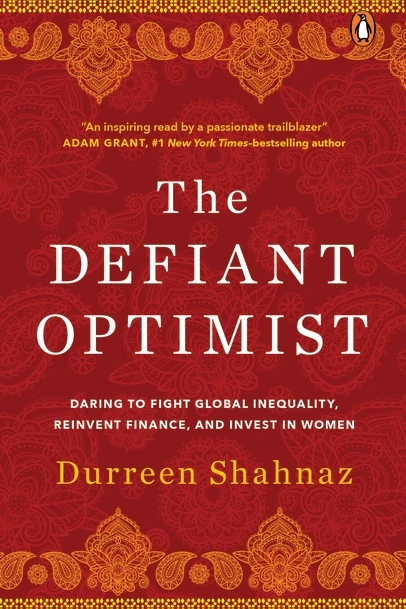
Through the author’s personal struggles and experiences, I learned that meaningful change often requires persistence in the face of repeated setbacks. Rather than remaining silent or discouraged, we must be willing to speak up, challenge the status quo with conviction, and remain steadfast in pursuing what we know to be right.
“A no is never really a no as long as you dig hard enough to find that morsel of information that may turn it into a yes.”
Our experts can help you solve your unique challenges
Stay up-to-date with our Thought Leadership and Insights