


GET IN TOUCH
- Please wait...

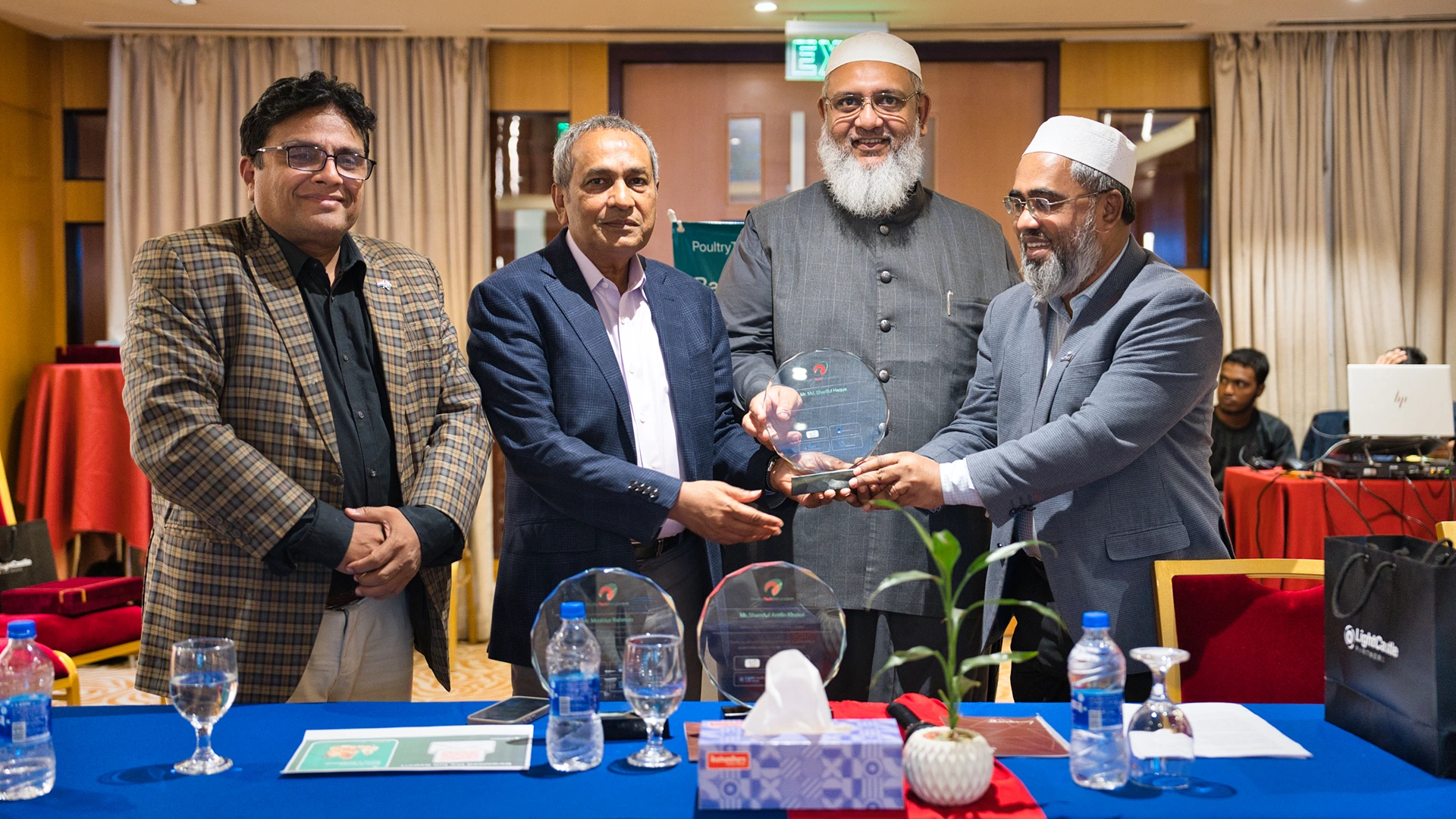
The Embassy of the Kingdom of the Netherlands in Bangladesh hosted a high-level roundtable discussion in Dhaka on Wednesday, 18 December 2025. The Embassy organized the event in collaboration with LightCastle Partners, Larive International, and the Bangladesh Poultry Industries Central Council (BPICC).
The roundtable took place under the PoultryTechBangladesh program. It brought together industry leaders, policymakers, development partners, and sector experts. Together, they discussed key challenges and strategic priorities for Bangladesh’s poultry sector. Notably, the discussion focused on shifting global trade dynamics and Bangladesh’s upcoming graduation from Least Developed Country (LDC) status.
Mr. Shamsul Arefin Khaled, Managing Director of Nourish Poultry and Hatchery Limited, moderated the session. Meanwhile, several senior stakeholders joined the discussion. These included Mr. Shariful Haque, Deputy Director at the Department of Livestock Services; Mr. Osman Haruni, Senior Policy Advisor at the Embassy of the Kingdom of the Netherlands in Bangladesh; and Mr. Moshiur Rahman, President of BPICC.
The roundtable examined the poultry sector’s increasing exposure to global market volatility, tightening food safety and compliance requirements, and persistent domestic structural constraints.
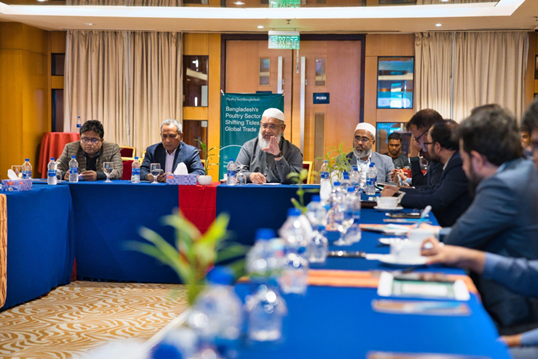
Ms. Naziba Ali, Business Consultant at LightCastle Partners, delivered the keynote address. She outlined key shifts in the global and local poultry industry. Specifically, she highlighted import dependence for feed production, price volatility of poultry products, and the impact of LDC graduation.
Following the keynote, participants emphasized that feed costs remain the sector’s biggest pressure point. In fact, feed accounts for an estimated 70–80 percent of total poultry production costs. Moreover, currency depreciation has increased import costs. At the same time, global commodity price volatility and rising energy prices have added pressure. High interest rates have further worsened the situation.
In addition, participants raised concerns over recurring boom–bust cycles in Day Old Chick (DOC) production. These cycles continue to disrupt the market. According to the discussion, weak market intelligence and coordination gaps largely drive this instability.
As Mr. Shamsul Arefin Khaled noted, “Compared to India, layer feed in Bangladesh costs about BDT 12 more.” Therefore, he stressed the need to diversify protein sources beyond soybean. He also emphasized strengthening domestic maize cultivation.
Beyond feed-related issues, participants identified reliance on imported vaccines as another major vulnerability. According to Mr. Mohammad A. Samad, Head of TADRC at the Bangladesh Livestock Research Institute, high heat conditions can reduce vaccine effectiveness. Consequently, he argued that local vaccine production would improve both efficacy and sector resilience.
Furthermore, participants stressed the urgent need to strengthen Sanitary and Phytosanitary (SPS) and Technical Barriers to Trade (TBT) compliance systems. Such improvements are critical for export readiness in the post-LDC era. Priority areas included stronger farm-level biosecurity, improved traceability systems, and expanded cold-chain infrastructure. However, despite growing interest in poultry processing and value-added products, policy uncertainty continues to delay large-scale investment.
Meanwhile, ensuring the viability of small and medium producers emerged as a central theme. Speakers advocated inclusive modernization approaches. These included contract farming, cluster-based production models, cooperatives, and shared services. Importantly, they cautioned against forced consolidation. Instead, they emphasized protecting rural livelihoods while improving productivity.
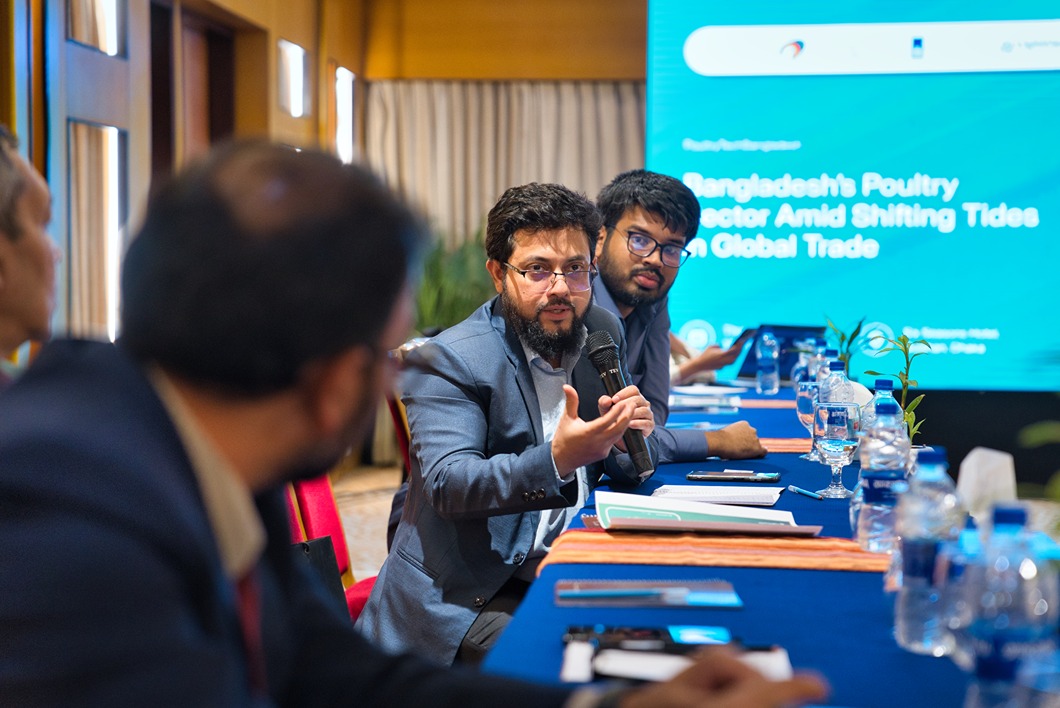
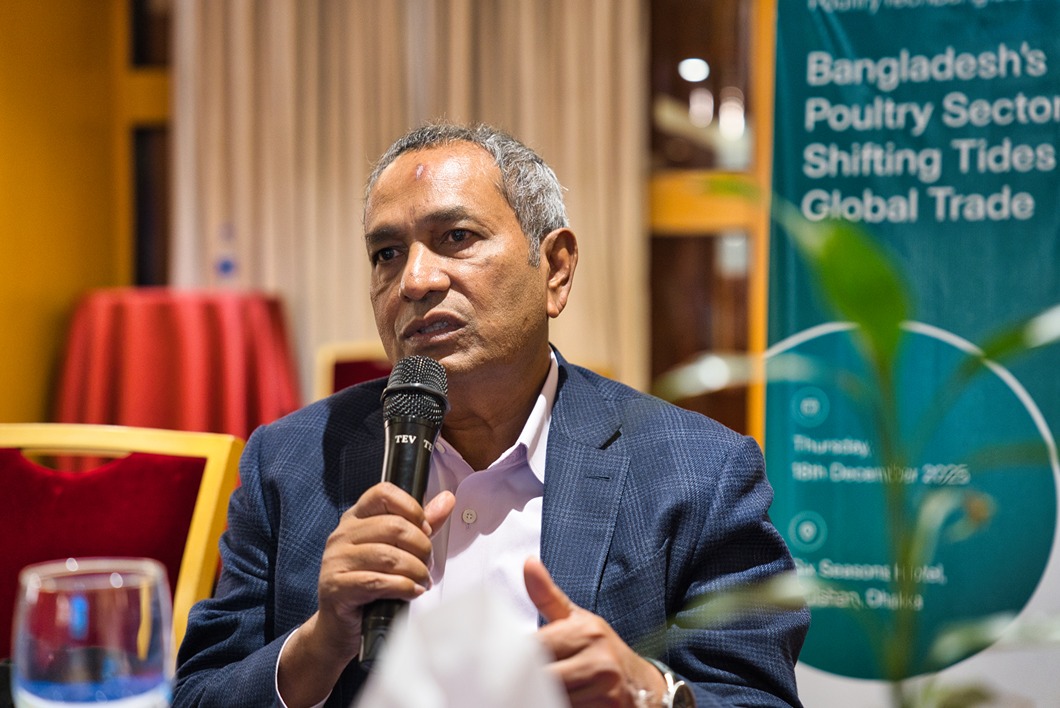
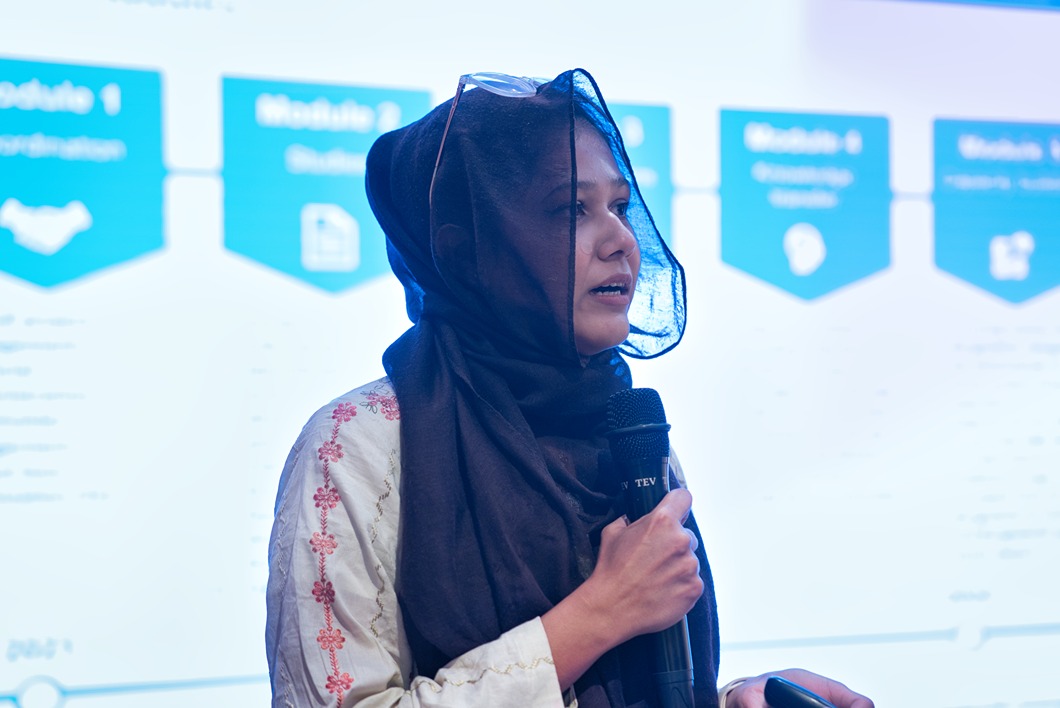
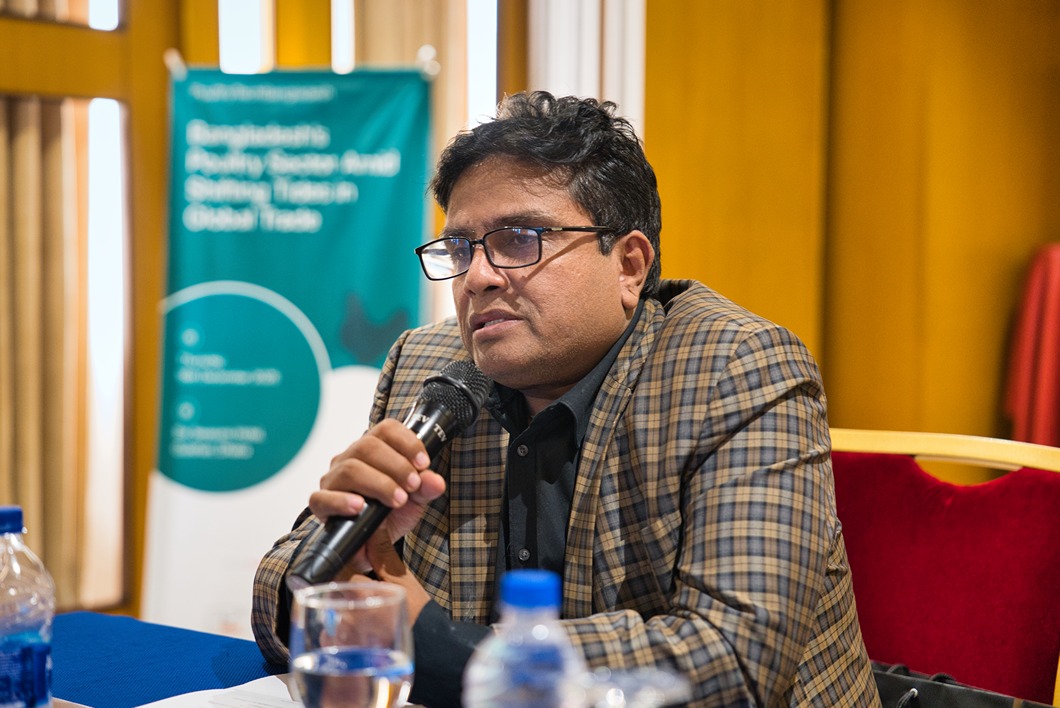
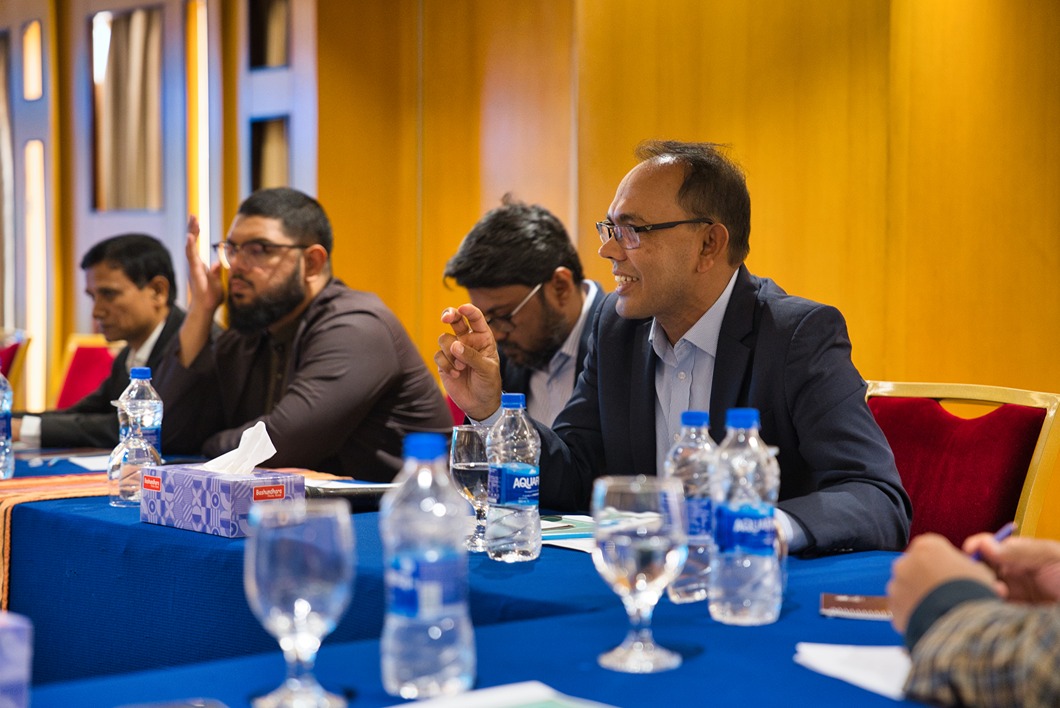
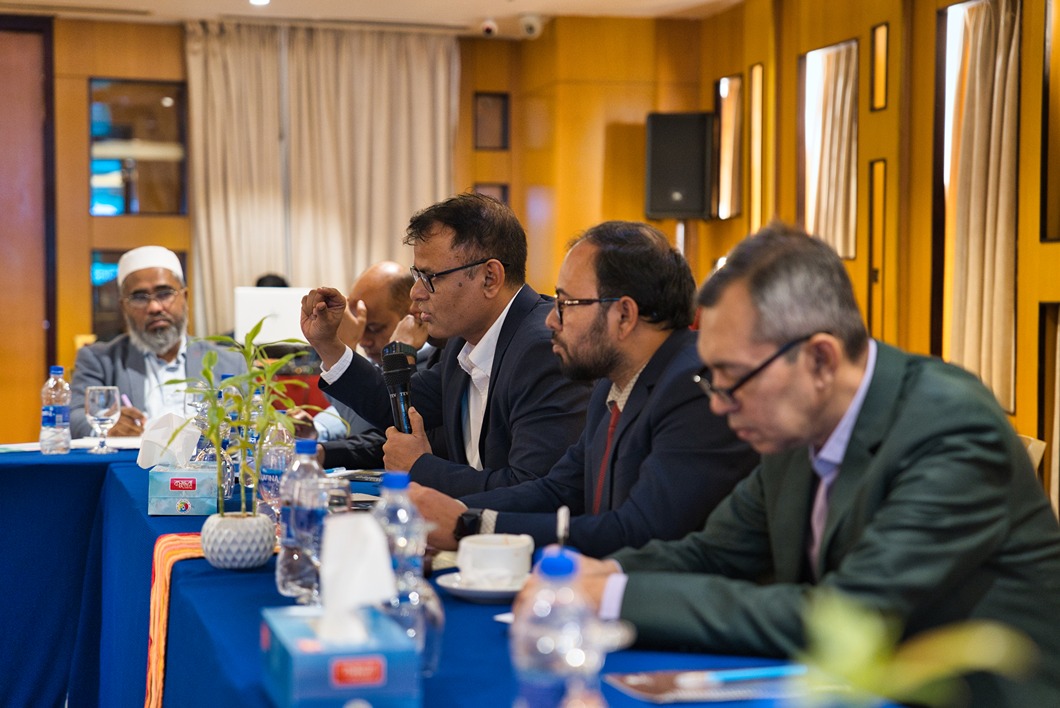
The session also highlighted the need for data-driven policymaking. In addition, participants called for stronger coordination among government agencies, industry bodies, and research institutions. Such coordination would help the sector move away from reactive crisis management. As a result, it would enable long-term strategic planning. It would also help prepare the industry for export markets and processed meat production.
In this context, Mr. Shariful Haque stated, “The Government of Bangladesh is currently developing a strategic policy framework for the poultry sector.” Moreover, he noted that the framework will focus on streamlining export certification, promoting formal processing, and increasing value addition.
Finally, the roundtable reaffirmed PoultryTechBangladesh’s role as a neutral platform for policy dialogue, innovation, and multi-stakeholder collaboration. Participants called for a phased roadmap extending to 2040. Overall, they agreed that timely and coordinated reforms over the next five years could transform the poultry sector. Such reforms would support food security, job creation, and export diversification.
To inquire about PoultryTechBangladesh, please contact Ms. Ainan Tajrian, Senior Business Consultant at LightCastle Partners, at [email protected]. For questions directed to the Embassy of the Kingdom of the Netherlands in Bangladesh, please reach out to the Economic Affairs Department at [email protected].
Our experts can help you solve your unique challenges