


GET IN TOUCH
- Please wait...

European buyers increasingly ask home textile suppliers how their products are dyed, which chemicals are used and where the wastewater goes. For a small jute or cotton producer, answering well requires investment in treatment and chemical control, at a scale that a conventional effluent treatment plant (ETP) was never designed for.
On 15 and 16 November 2026, we examined this question in Dhaka at the Pilot 2 Exploratory Workshop, part of CBI’s Home Textiles Bangladesh Program. Eleven SMEs from the home textiles industry took part, together with five ETP providers, the ZDHC Foundation, two finance panellists and the CBI and LightCastle teams. Bijon Islam, CEO of LightCastle Partners moderated the SME sessions and both panels. Irene Vermeulen, Business Coach of Home Textiles Bangladesh from CBI led the market and pilot sessions.
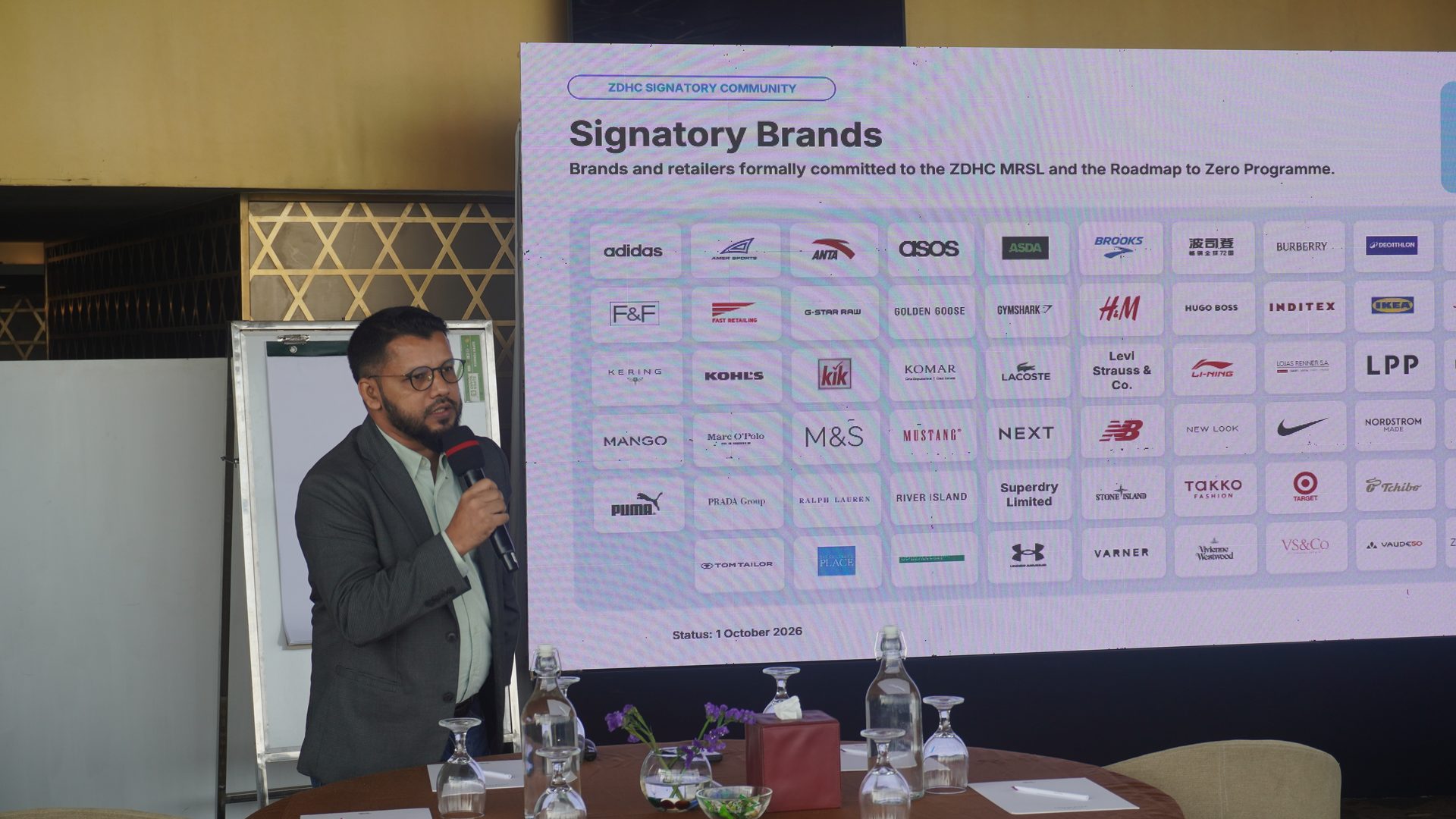
Image 1: “Chemical management: ZDHC, stakeholder roles and Roadmap to Zero.” session led by S M Rayhan Hossain, Country Manager Bangladesh, ZDHC Foundation. Claudia Herman, Projects and Partnerships Manager at ZDHC, joined online.
The first day began with a compliance picture. CBI set out the market-access framework, and S M Rayhan Hossain and Claudia Herman of ZDHC presented the Roadmap to Zero, the industry’s approach to chemical management. The SMEs then described their own operations: what they make, how they dye and where wastewater is a concern. These accounts gave the technical sessions a common reference point.
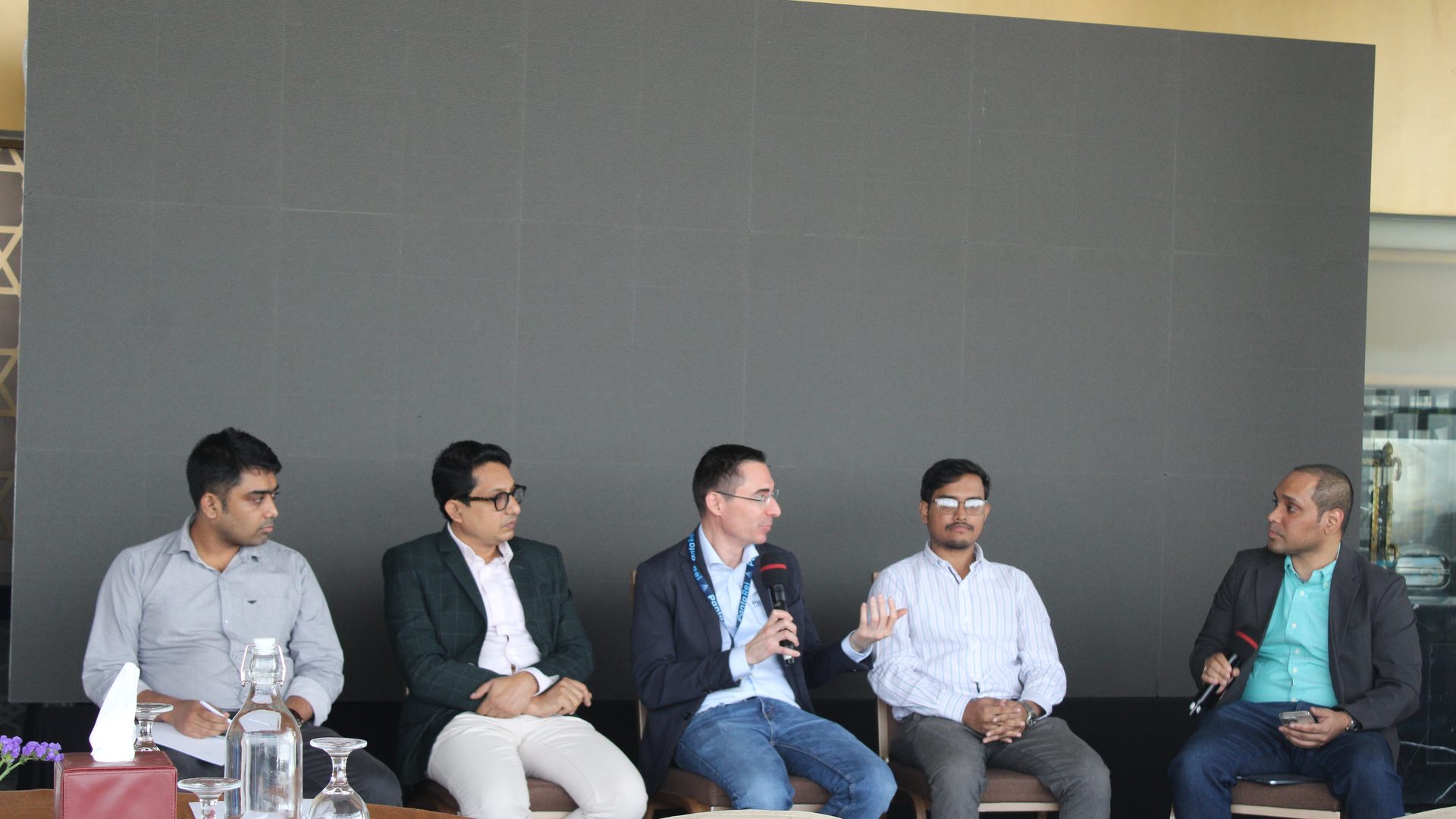
Image 2: Panel: “Technology suitability and commercial and O&M viability.” From left: Anik Pal, Technical Manager, Total Water Solution Ltd; Rajib Ul Haque, Chief Technology Officer, Kingsley Engineering Services Corporation; Manuel Romero, Project Engineer, Panta Rei Water Solutions; Sudipto Sarker, Deputy General Manager, EnviroNest Engineering; and Bijon Islam, CEO, LightCastle Partners, moderating the panel.
Five providers followed: Total Water Solution, Panta Rei Water Solutions, Kingsley Engineering Services Corporation, EnviroNest Engineering and Water Technology BD. Their options ranged from compact on-site plants to shared and mobile treatment. We had planned two panels, one on technology and one on cost, and the discussion merged into a single session. It covered which technology suits which site, what it costs to operate and what keeps a plant performing after installation.
One point recurred in every session: test the effluent before choosing a technology. A cubic metre of wastewater can carry very different pollution loads depending on the process, and the load determines the design. For SMEs without test data, this makes measurement the starting point for any investment decision.
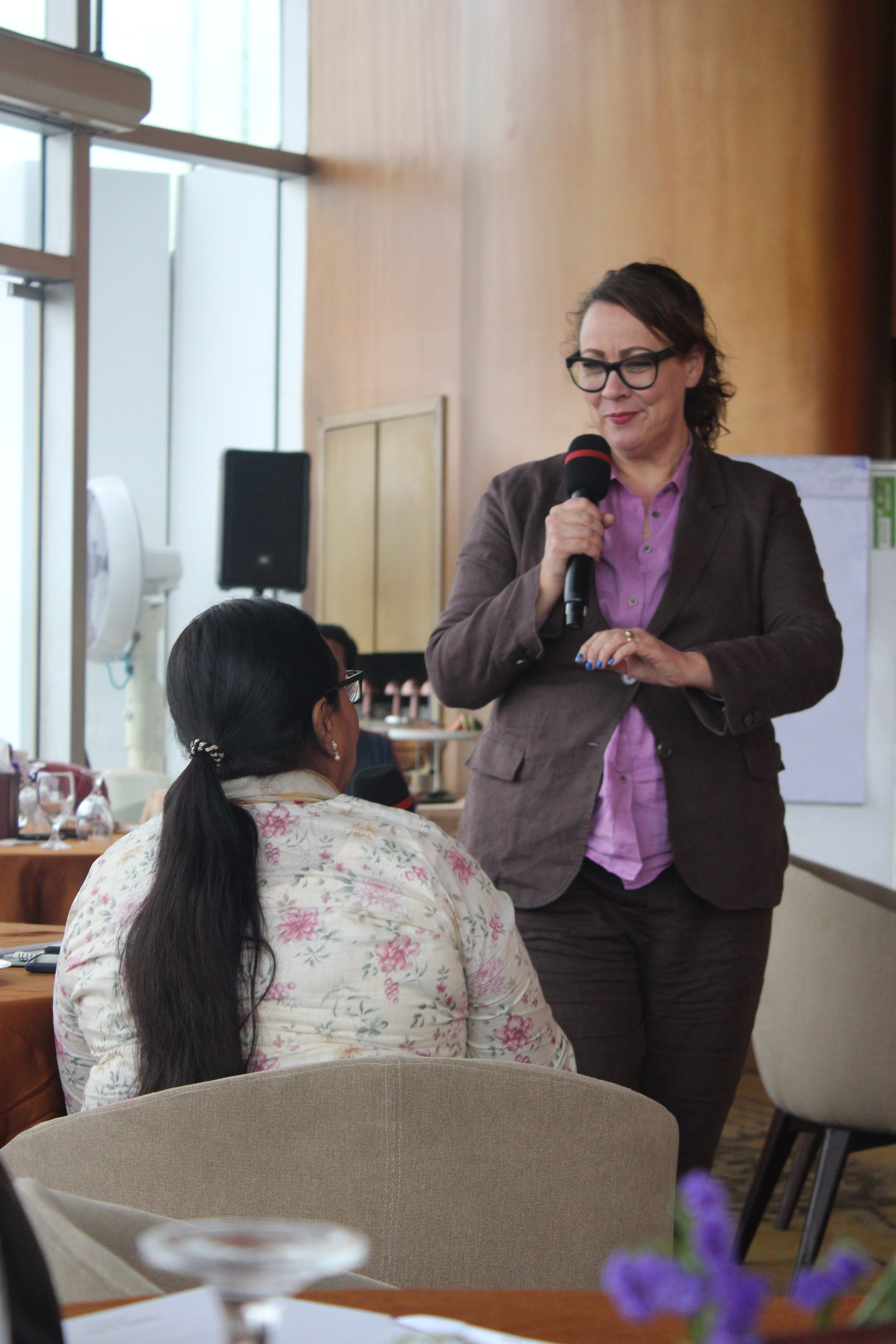
Image 3: “Business development and sustainable design: market opportunities, EU market access and compliance.” session led by Irene Vermeulen, Business Coach, Home Textiles Bangladesh, CBI, with the participating SMEs.
Day 2 opened with a pricing quiz. The exercise showed how much of the final price accrues between the factory gate and the shelf, and what buyers will pay for design and a clear story.
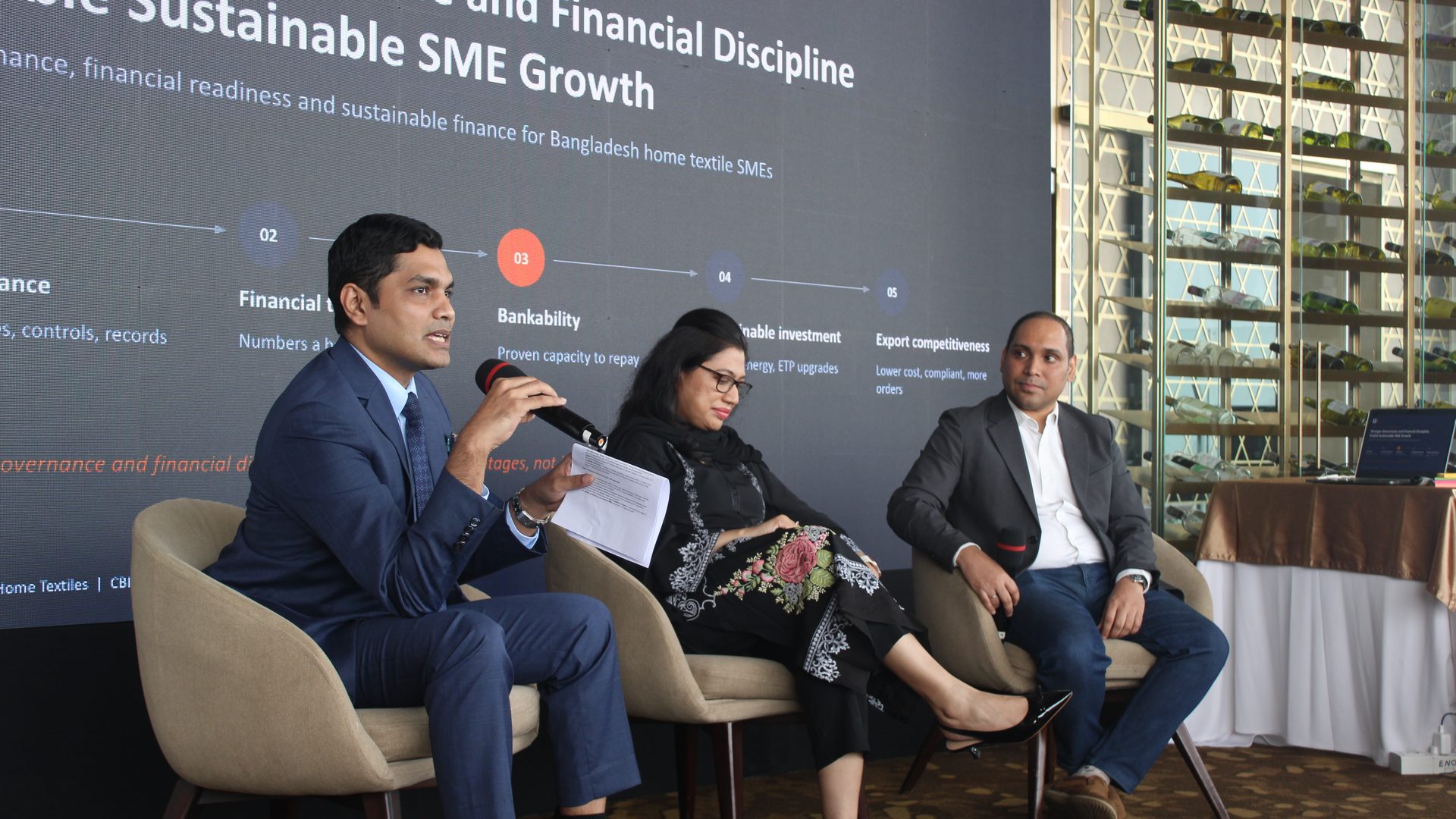
Image 4: Panel: “Finance, governance and investment-readiness.” From left: Shoaib Mohammad Siddiqui, Head of Strategy, City Bank PLC; Sharawwat Islam, Managing Director, Truvalu Bangladesh; and Bijon Islam, CEO, LightCastle Partners, moderating the panel.
We then looked at the cost of an ETP in three parts: installation, operation and financing. A panel from City Bank PLC and Truvalu Bangladesh explained what lenders and impact investors assess. Their requirements were consistent: one set of books, formal banking channels, a clear legal form and cash flow that covers repayments. Green refinance schemes can lower the cost of treatment, but they reach SMEs through participating banks and only after due diligence.
In the afternoon, the SMEs formed two groups and drafted preliminary company roadmaps. Nine of them also completed a needs assessment. Six of the nine discharge wastewater without treatment, and one operates its own system. Most hold no wastewater test results or water-use records, and several do not know their daily water use. High upfront cost, limited space and small or irregular volumes were the barriers cited most often. Five SMEs want to assess a small treatment system, and two want to explore shared treatment.
Several of the SMEs operate as sole proprietorships, partnerships or foundations, while banks and investors work most easily with registered companies. Their sites are spread across eight districts, which makes shared plants harder to apply than provider estimates suggest. Providers quoted costs on different bases, so a fair comparison will need data from the sites themselves.
Small producers meet European requirements by starting with their own numbers, and a baseline of wastewater volume, load and chemical use is the first step. It costs little, and every later decision on technology and finance depends on it.
What comes next
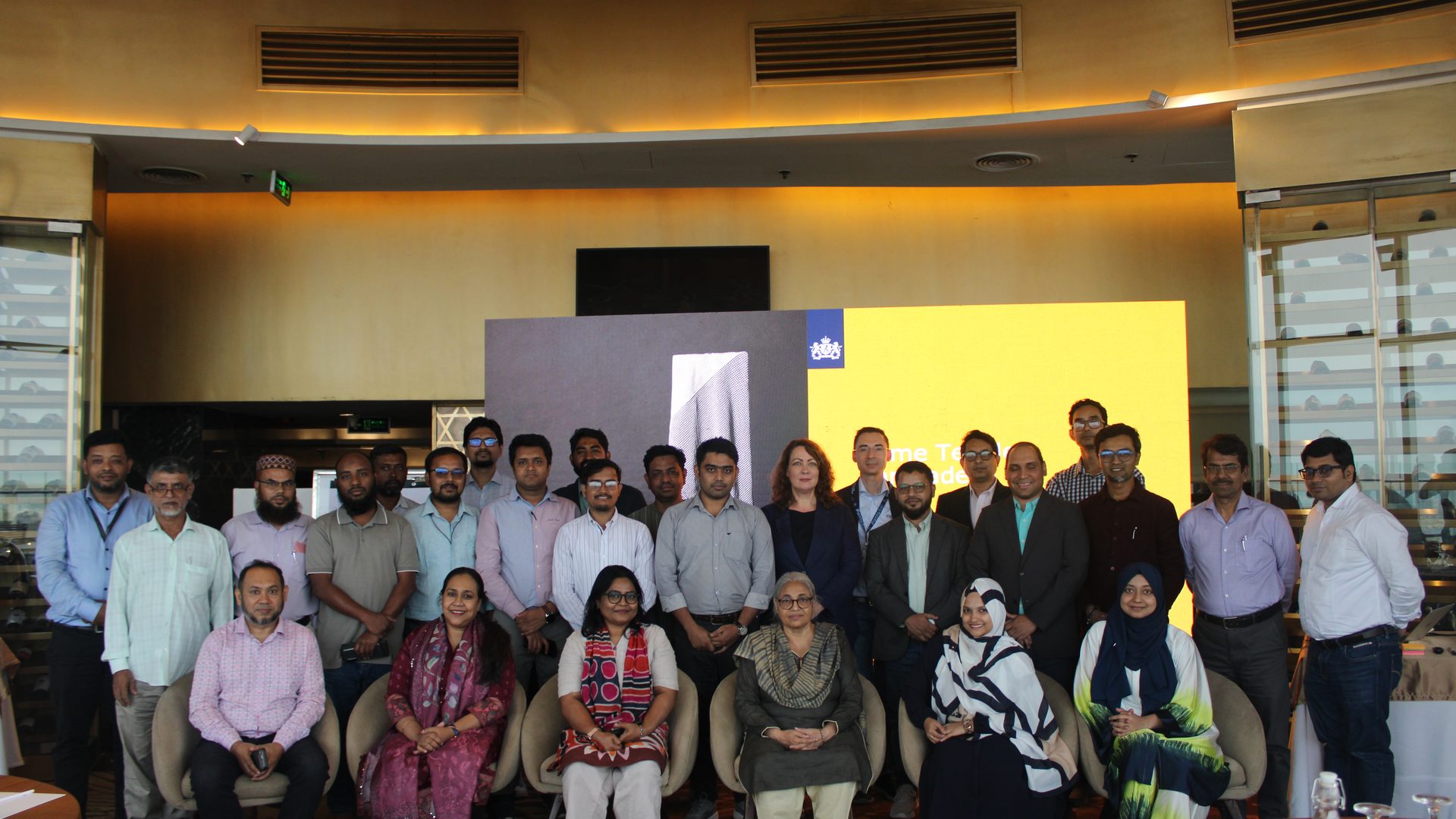
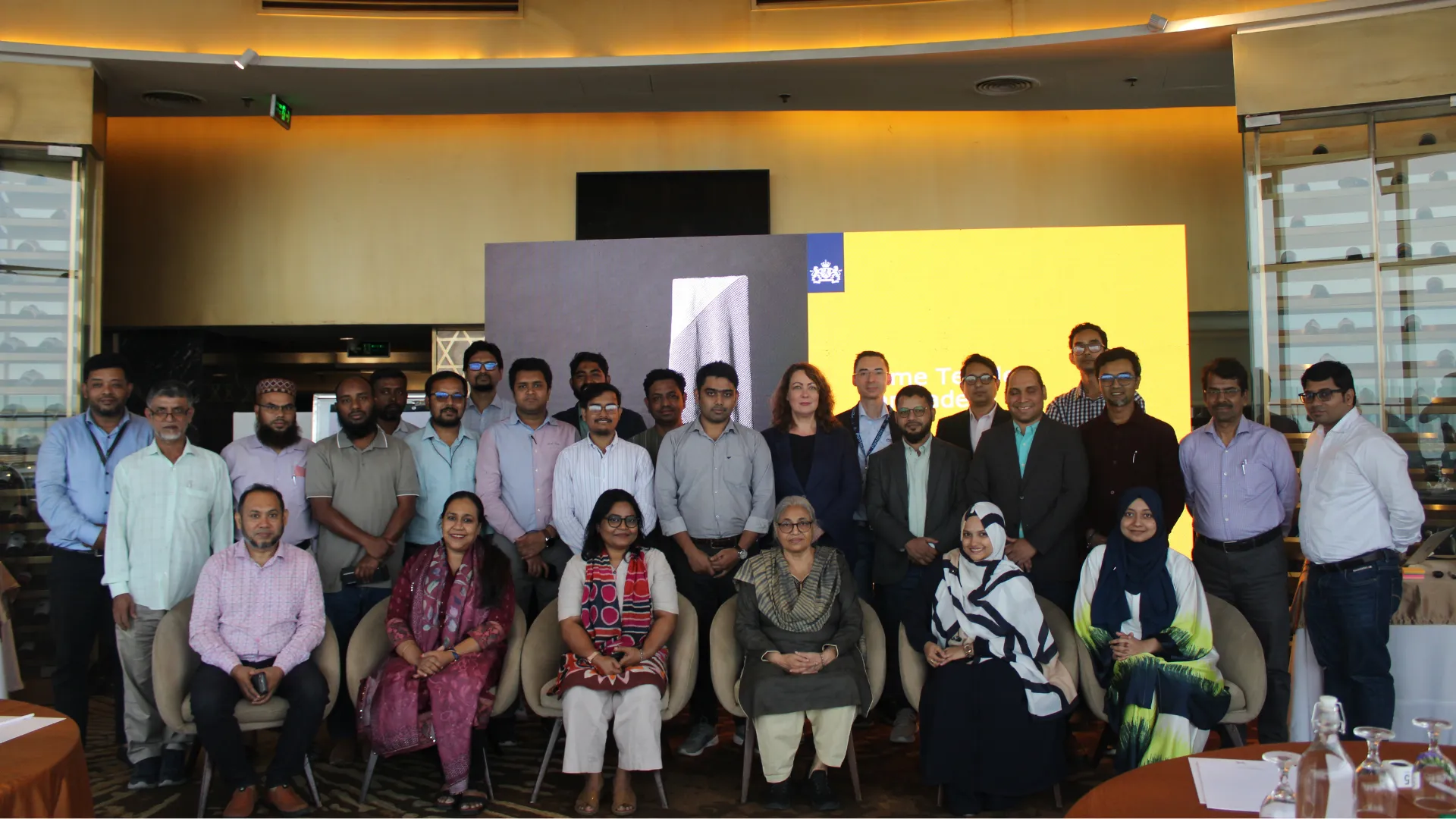
Image 5: Participants of the Pilot 2 Exploratory Workshop: SMEs from the home textile sector, ETP solution providers, the ZDHC Foundation, City Bank PLC, Truvalu Bangladesh,CBI and LightCastle Partners teams.
Irene closed the workshop with the plan for the pilot, which runs from November 2026 to March 2028. SMEs are selected in December. The pilot then moves through online capacity building, business strategy, technical solutions and implementation, and ends with market promotion, including participation at Ambiente 2028. Participation is free for SMEs, who contribute their time, their data and their own investment in implementation.
Some improvements can be implemented immediately by SMEs without requiring additional financial investment.. They can list every input chemical and check it against ZDHC requirements, train workers in safe handling and record daily wastewater volume. They can also open conversations with EU buyers about forthcoming requirements, including the Digital Product Passport.
If you run an enterprise in the home textiles sector, or provide treatment or finance services in this space, and want to take part in the pilot, please get in touch with the LightCastle Partners team.
Our experts can help you solve your unique challenges