


GET IN TOUCH
- Please wait...

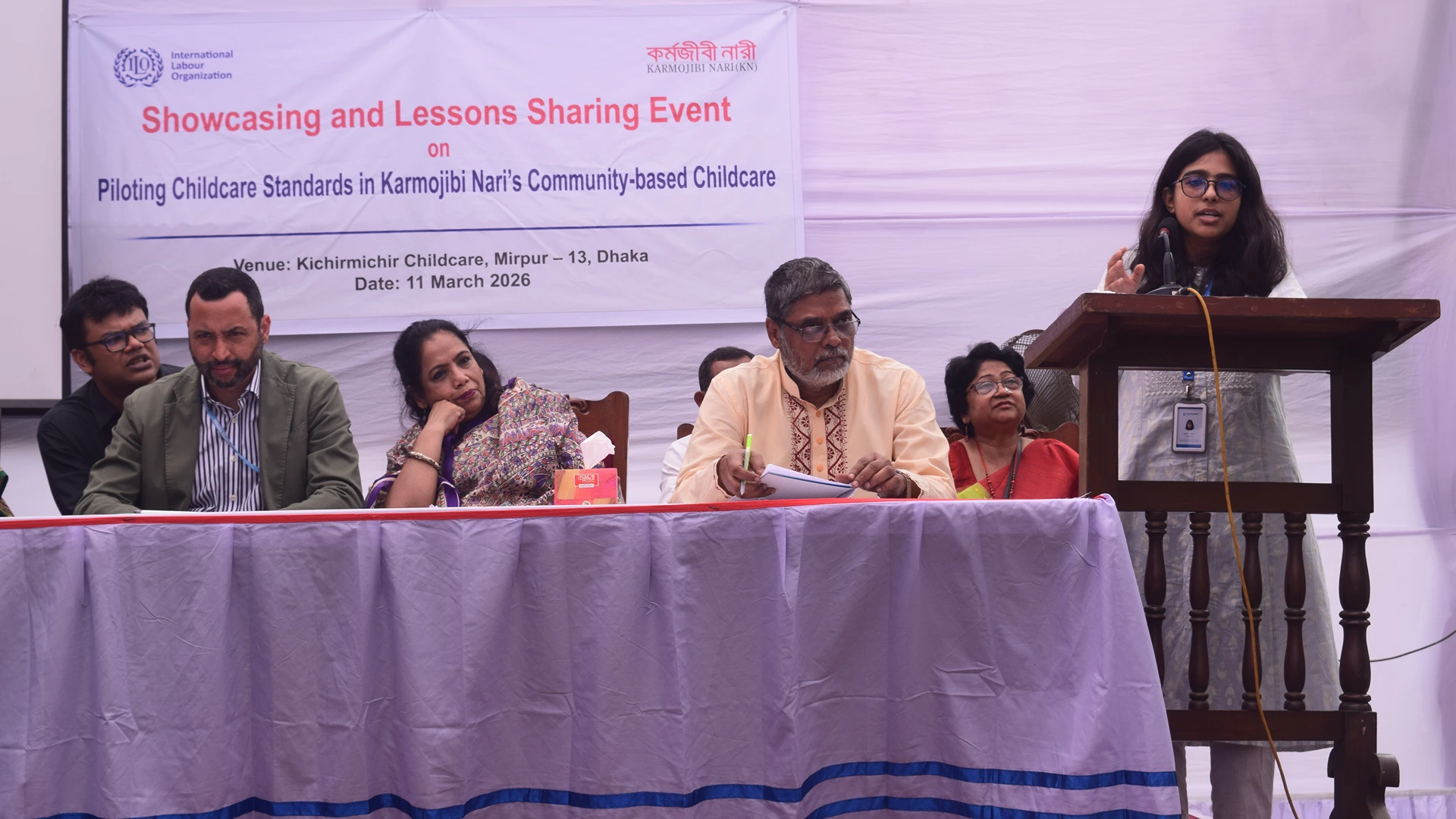
On March 11, 2026, Karmojibi Nari (KN) and the International Labour Organization (ILO) organized a lesson-sharing and showcasing event at Kichir Michir Childcare in Mirpur-13, Dhaka. LightCastle Partners supported the initiative through research.
The session brought together representatives from government agencies, worker organizations, employer bodies, and development partners. In addition, community stakeholders joined, including childcare workers, parents, and local leaders. The event aimed to present practical lessons from piloting the draft Guidelines for National Minimum Standards for Childcare in Bangladesh in a real-world setting.
Karmojibi Nari is a non-governmental organization that promotes gender equality and supports women workers, especially in the RMG sector. However, many factories still lack proper childcare facilities, despite regulatory requirements. As a result, working mothers often struggle to balance employment and childcare.
To address this gap, Karmojibi Nari established Kichir Michir Childcare in 2014. Since then, the center has supported nearly 4,000 children. Over time, it has become a trusted community institution that delivers early childhood care and development services.
In early 2025, Kichir Michir partnered with the ILO and LightCastle Partners to pilot the draft national childcare guidelines at its Mirpur center. The team aimed to test feasibility and identify implementation challenges. Consequently, the findings helped inform future policy decisions on operationalizing the guidelines.
The program began with remarks from Sharmin Kabir, General Secretary of Karmojibi Nari. Next, Anne Drong, National Project Coordinator at the ILO, outlined the initiative’s objectives and policy relevance.
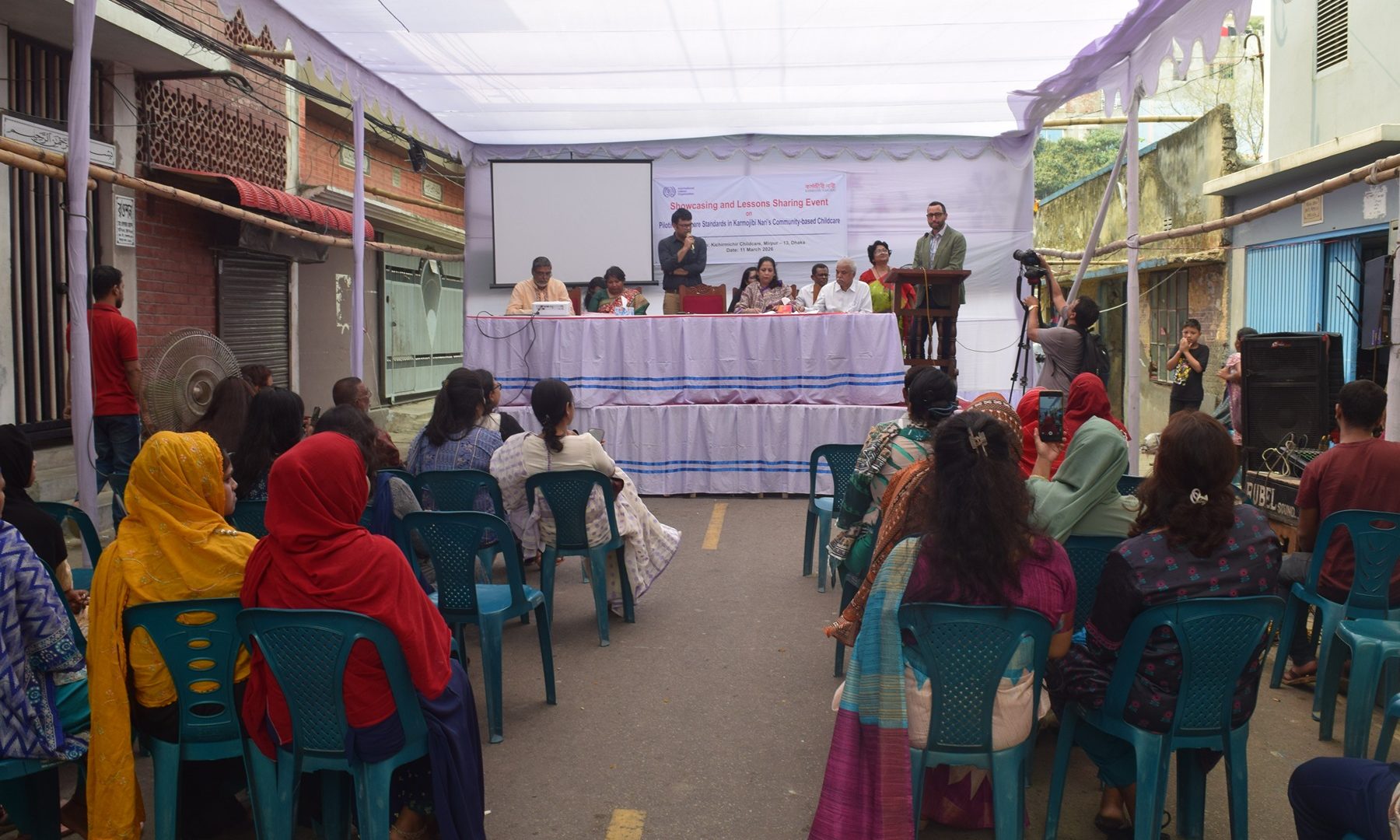
After that, Sunzida Sultana, Additional Executive Director of KN, shared the evolution of Kichir Michir Childcare. She emphasized how the center enables women to participate in the workforce. Similarly, Rabita Islam, Deputy Director of KN, highlighted key partnerships that strengthened operations. She also pointed out areas where community support can improve further.
Moreover, parents, childcare supervisors, and staff shared their experiences. They discussed service improvements and their impact on children and families. These firsthand accounts added practical insights to the discussion.
A key segment focused on findings from the pilot implementation. Ainan Tajrian, Senior Business Consultant at LightCastle Partners, presented the results.
The pilot showed improvements across several areas, including:
These improvements resulted from targeted policy adjustments, capacity building, and better resource allocation.
The event also featured remarks from representatives of the Ministry of Women and Children Affairs (MOWCA) and the Ministry of Labour and Employment (MOLE). In addition, members from the National Coordination Committee for Workers’ Education and the Bangladesh Garment Manufacturers and Exporters Association joined the discussion.
This broad participation reflected strong multi-stakeholder engagement. More importantly, it reinforced the importance of coordinated action in scaling childcare solutions.
In the closing session, Max Tuñón, Country Director at the ILO Bangladesh Office, shared his perspective. He stressed the need to scale quality childcare models across the country. Likewise, Syed Sultan Uddin Ahmed, Chairman of the Labor Reform Commission and Executive Director of BILS, emphasized embedding these standards into national policy frameworks.
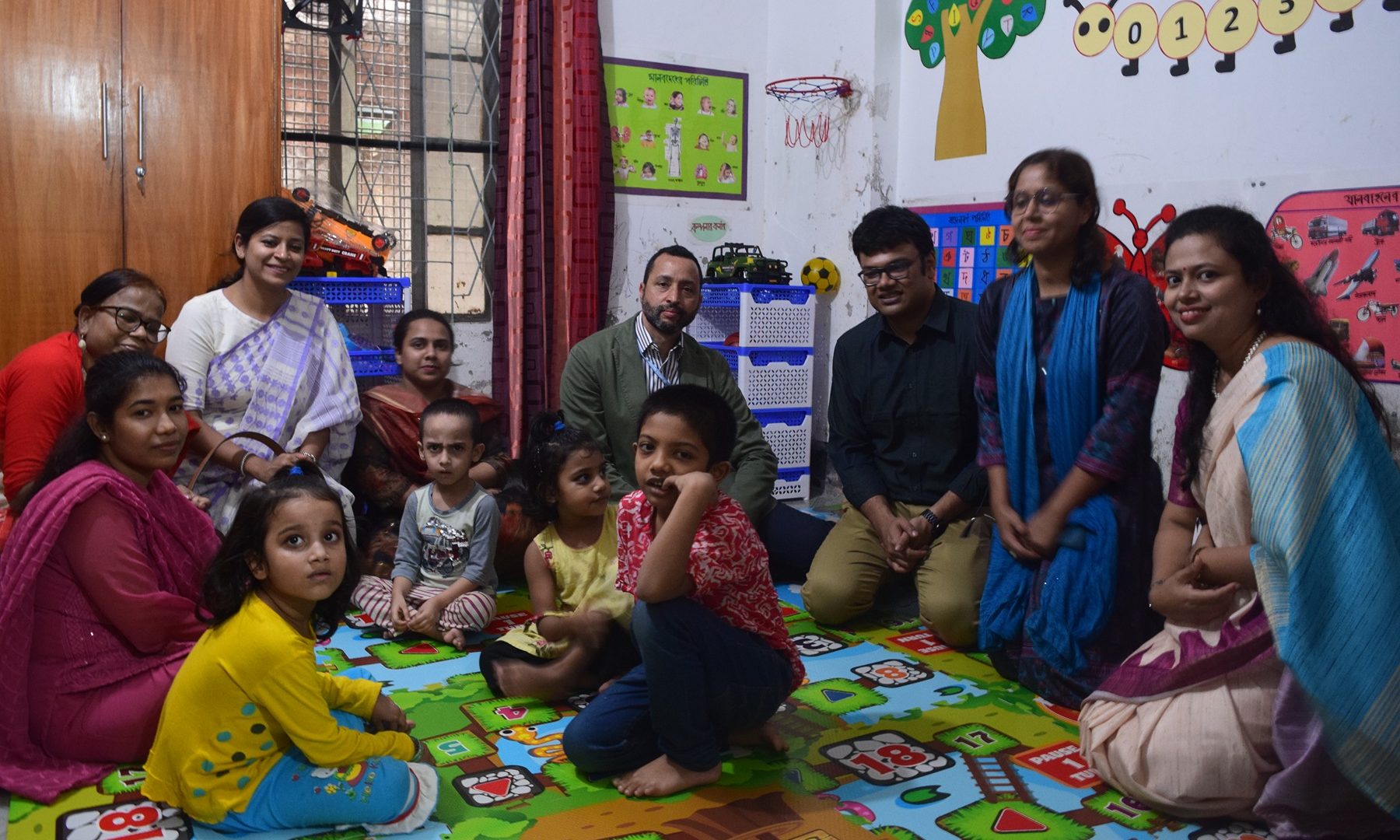
Finally, participants visited Kichir Michir Childcare to observe the pilot’s impact firsthand. The visit allowed them to see improvements in infrastructure, service delivery, and child engagement.
Overall, the event demonstrated that community-based childcare models can deliver strong results. When aligned with national standards and supported by multiple stakeholders, these models can drive meaningful change.
As a result, such initiatives can increase women’s labor force participation, improve child development outcomes, and support inclusive economic growth in Bangladesh.
Our experts can help you solve your unique challenges