


GET IN TOUCH
- Please wait...

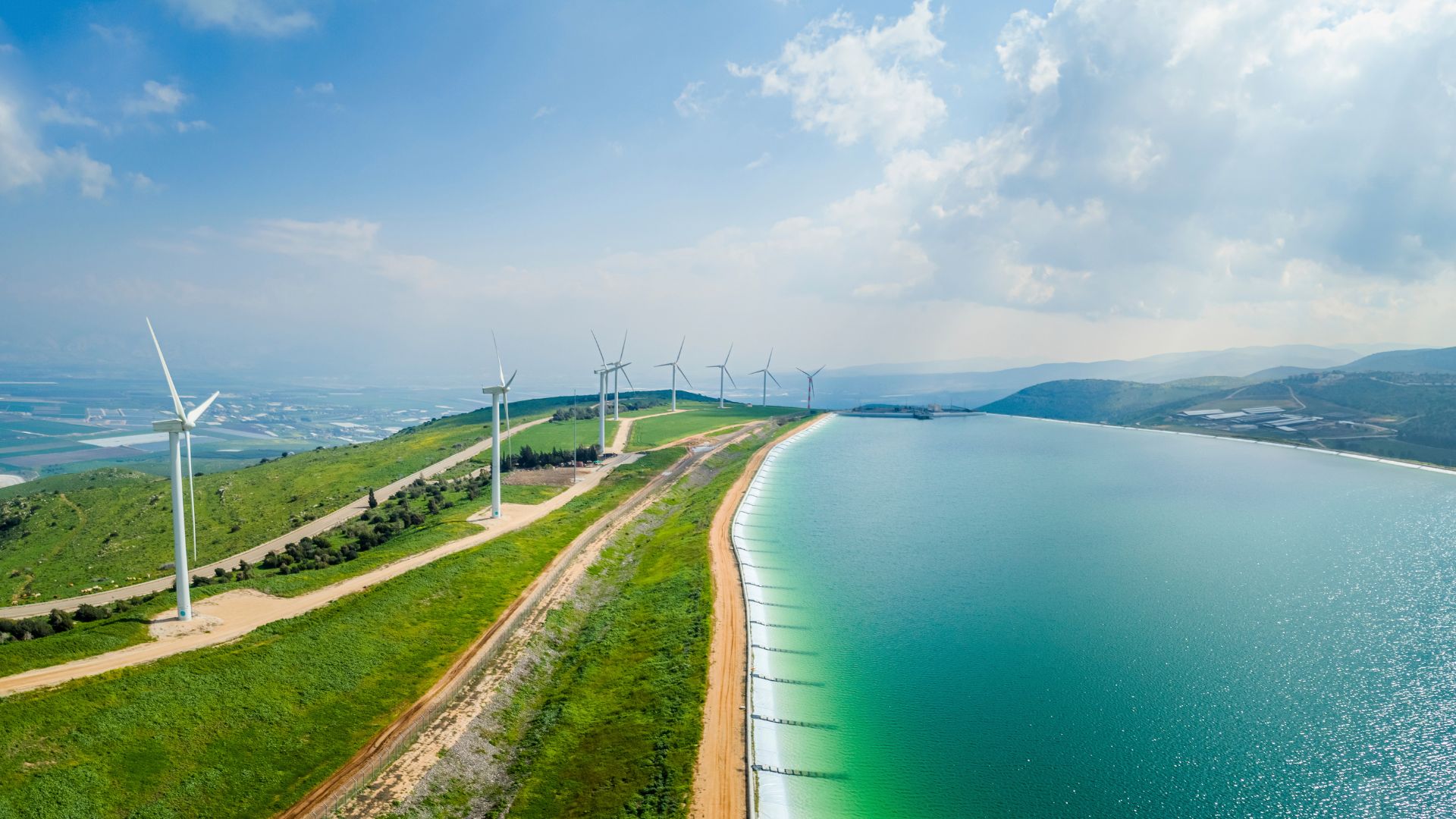
Bangladesh is entering a new phase of industrial transformation with a strong cleantech opportunity. Over the past decade, the country has sustained strong industrial growth, driven largely by export-oriented manufacturing and expanding energy demand. However, this growth trajectory is increasingly exposing structural vulnerabilities within the country’s energy and industrial water systems.
The power sector remains heavily dependent on imported fuels, which accounted for roughly 65 percent of electricity generation in FY25. At the same time, renewable energy contributes only around 5 percent of installed generation capacity, remaining well below the government’s target of 20 percent by 2030. This gap continues to create both fiscal pressure and energy security concerns as industrial demand rises.
Industrial water stress presents a parallel challenge. Textile and garment factories consume large volumes of groundwater while generating significant wastewater output, particularly across major manufacturing clusters surrounding Dhaka, Gazipur, and Narayanganj.
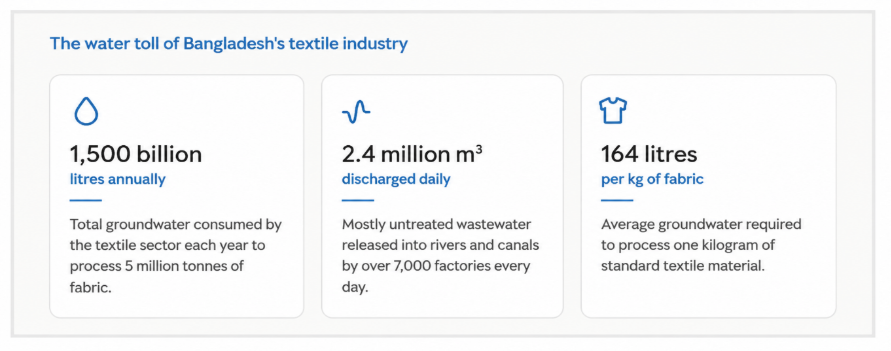
In many areas, groundwater levels are declining steadily, while treatment infrastructure and operational compliance remain inconsistent. Meanwhile, international buyers are placing an increasing emphasis on environmental performance, traceability, and sustainable sourcing standards.
Together, these trends are reshaping Bangladesh’s industrial landscape. Cleantech opportunity is no longer viewed solely as a sustainability initiative. Increasingly, it is becoming central to industrial competitiveness, export readiness, and long-term operational resilience.
This transition also presents a strategic market opportunity. Canada has developed strong capabilities across renewable energy technologies, advanced water treatment systems, battery materials, and grid modernization solutions. These strengths align closely with Bangladesh’s emerging infrastructure and industrial needs.
Against this backdrop, the High Commission of Canada in Bangladesh commissioned LightCastle Partners to conduct a market intelligence study assessing opportunities for Canadian cleantech firms within Bangladesh’s renewable energy and industrial wastewater management sectors.
The study adopted a systems-oriented assessment framework to evaluate Bangladesh’s evolving cleantech landscape. Rather than examining renewable energy and wastewater management separately, the analysis explored how policy conditions, financing structures, industrial demand, infrastructure readiness, and regulatory enforcement collectively shape market potential.
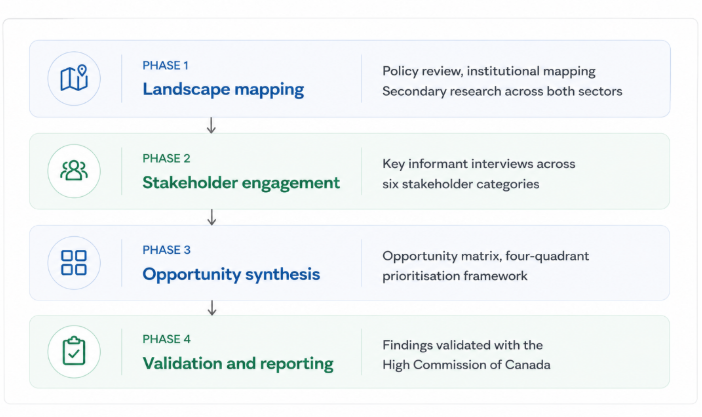
The first phase focused on understanding the broader policy and institutional environment underpinning both sectors. The research reviewed national energy transition targets, environmental regulations, green financing initiatives, and industrial sustainability commitments. It also mapped the role of key public institutions, development partners, financial actors, and industry associations influencing sector development.
Building on this foundation, the study incorporated extensive stakeholder consultations across the public and private sectors. Discussions with manufacturers, regulators, financial institutions, technology providers, and industry bodies helped identify practical constraints affecting technology adoption at the firm level. These consultations revealed persistent gaps between policy ambition and implementation capacity, particularly in areas such as financing access, technical capability, operational compliance, and infrastructure support.
The analysis then translated these findings into a structured opportunity assessment across multiple technology segments. The study evaluated market demand for industrial rooftop solar, battery energy storage systems, advanced effluent treatment technologies, water recycling solutions, and digital compliance monitoring platforms.
Importantly, the research moved beyond isolated technology gaps. Instead, it examined how infrastructure limitations, fragmented coordination, financing barriers, and regulatory uncertainty interact to shape overall market readiness. This broader systems perspective helped identify where international cleantech firms can engage most effectively within Bangladesh’s evolving industrial transition.
The findings suggest that Bangladesh’s cleantech transition is entering a more commercially significant phase. Structural vulnerabilities within the energy system, rising industrial water stress, and increasing environmental compliance requirements are accelerating demand for cleaner industrial solutions.
Several near-term opportunities are already emerging. Industrial rooftop solar alone is estimated to hold more than 4,000 MW of potential capacity across manufacturing facilities, supported by revised net metering policies and growing interest from export-oriented industries. At the same time, stronger wastewater management requirements are increasing demand for advanced treatment and water recovery technologies, particularly as buyers strengthen ESG compliance expectations.
Digital monitoring and compliance solutions also represent a growing area of interest. As sustainability reporting standards become more stringent, industries are placing greater importance on operational transparency, traceability systems, and real-time environmental monitoring capabilities.
Future growth, however, will depend on stronger coordination between policy implementation, infrastructure investment, financing mechanisms, and private sector participation. Expanding clean technology adoption at scale will require improvements in regulatory enforcement, technical capacity, and cross-sector collaboration.
Overall, the transition extends beyond technology deployment alone. It reflects a broader shift toward a more resilient and sustainability-oriented industrial model. By aligning industrial growth with cleaner production systems, Bangladesh has the opportunity to strengthen export competitiveness while advancing long-term environmental and economic resilience.
Our experts can help you solve your unique challenges