



GET IN TOUCH
- Please wait...

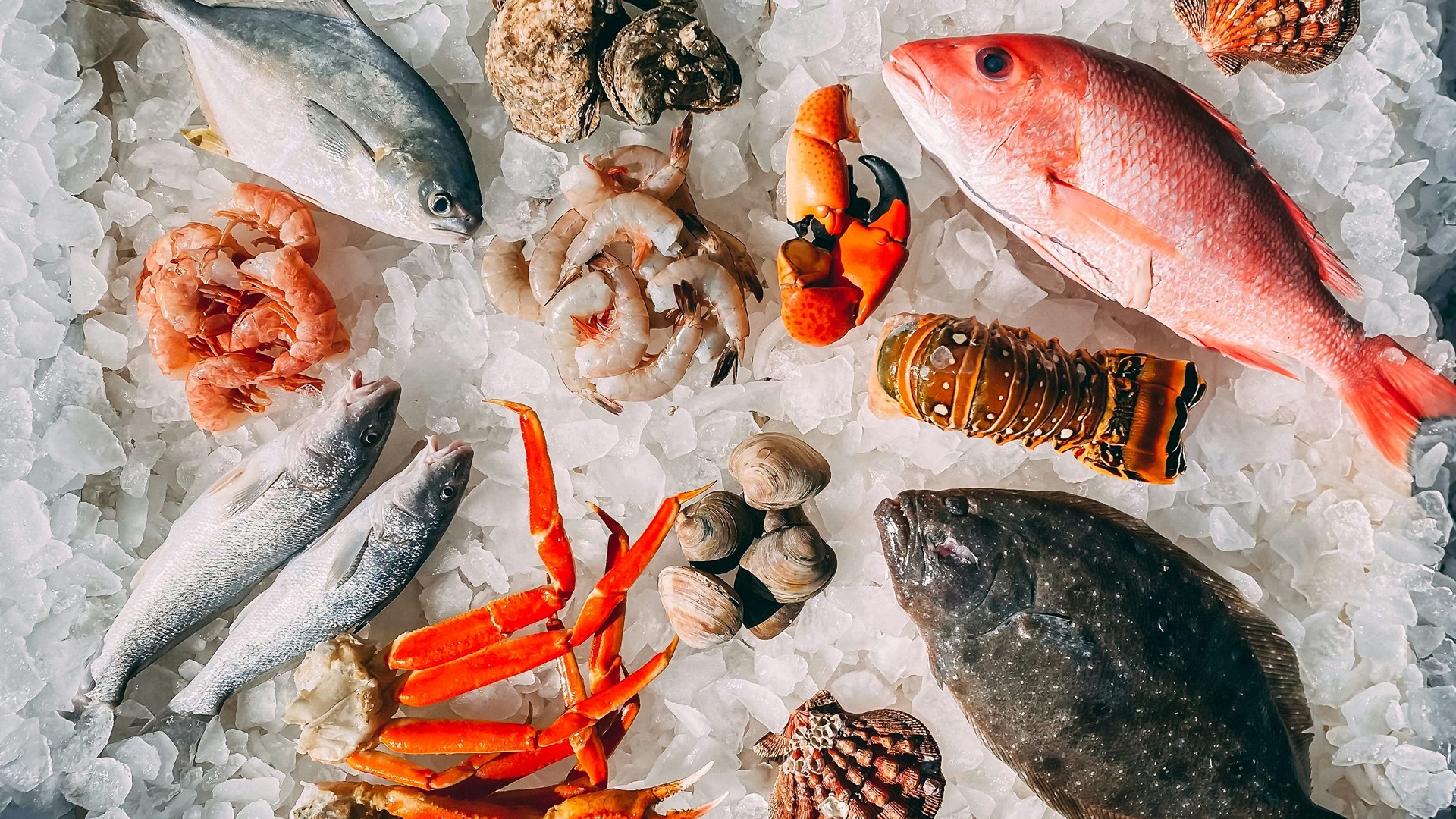
Bangladesh exports a variety of seafood products – from fish to shrimp and crab – which underpin livelihoods and foreign earnings. In 2024–25, the country’s fish and seafood exports earned around USD 296 million[1].
The industry is dominated by shrimp (notably Black Tiger prawns), with shrimp alone accounting for about roughly 80% of Bangladesh’s total seafood export value[2]. The European Union is the largest buyer of Bangladeshi shrimp, thanks to duty-free access under the LDC (Least Developed Country) trade regime[3]. As Bangladesh prepares to graduate from LDC status in 2026, there is growing concern about how the loss of LDC benefits will affect this export-oriented fisheries sector.
This analysis provides a before-and-after picture of the situation, examines WTO-related implications, and assesses the potential impacts on all segments of the industry – both quantitatively and qualitatively – to inform policymakers and businesses.
As an LDC, Bangladesh’s fisheries exports currently enjoy exceptional advantages in global markets and policy flexibilities at home:
• Duty-Free Market Access:
Under initiatives like the EU’s Everything But Arms (EBA) scheme, nearly all Bangladeshi fish and seafood exports enter major markets tariff-free[4]. Frozen fish, shrimp, and related products from Bangladesh face 0% import duty in the EU, UK, Canada, Japan, Australia, and other partners granting LDC preferences.
This confers a critical price advantage. By contrast, if not an LDC, these products would typically face tariffs in the range of about 6–12% in the EU market[4]. The duty-free access has been pivotal, given that roughly two-thirds of Bangladesh’s exports (mostly apparel but also fishery products) go to preference-granting developed markets[5]. In short, LDC status shields fish exporters from tariffs that competitors often have to pay.
• Simplified Rules of Origin:
LDC exporters benefit from relaxed origin requirements. For instance, under EU EBA rules, a more lenient processing threshold is accepted. In the apparel sector this allows single-stage transformation[6]; in fisheries, it means tolerant content rules for processed fish products. These flexible rules make it easier for Bangladesh’s seafood to qualify for zero tariffs even if production involves imported inputs, thus facilitating higher utilization of trade preferences.
• Export Incentives and Subsidies:
The Bangladeshi government currently provides cash incentives to promote agricultural and fishery exports. For seafood, this includes a cash subsidy of about 7–10% on frozen shrimp exports and 2–5% on frozen fish exports[7]. Other related supports exist for crabs and certain marine products. As an LDC, Bangladesh has been able to grant these export subsidies with relative impunity – WTO rules prohibit export subsidies in general, but LDCs are exempt, and even other low-income developing countries get special leeway[8][9].
These incentives directly boost exporters’ profit margins or allow them to offer more competitive prices abroad. So far, no WTO member has challenged Bangladesh’s subsidies on fish exports, in part due to its LDC status and low-income designation[9].
• International Support and Capacity Building:
Bangladesh’s LDC status has opened doors to technical assistance programs targeted at boosting trade capacity. The fisheries sector has benefited from aid-for-trade initiatives (e.g. through the Enhanced Integrated Framework) that support quality improvement, sanitary standards, and value chain development[10][11]. LDC-focused training and priority access to development projects have helped address some supply-side constraints.
Additionally, development partners often offer favorable financing for LDCs. All these have indirectly supported fisheries (for example, improving testing labs for fish export or training in aquaculture best practices), thereby enhancing the sector’s export readiness.
In summary, current LDC-derived facilities – zero tariffs abroad, subsidies and policy flexibilities at home, and dedicated international support – have collectively fueled the growth of Bangladesh’s fisheries exports. These benefits have helped the country become one of the top 10 global suppliers of frozen shrimp[12], despite the sector’s relatively small share in Bangladesh’s overall exports (~0.9% of total exports by value). The challenge ahead lies in how these privileges change once Bangladesh graduates.
Bangladesh is slated to graduate from LDC status in November 2026[13], after which a “smooth transition” period will apply for certain trade benefits. For the EU and some other partners, Bangladesh will continue to enjoy duty-free access for three additional years beyond 2026[14]. Nonetheless, the clock is ticking. The post-graduation scenario will bring several important changes:
• Loss of Duty-Free Access (Higher Tariffs):
Once transitional periods lapse, Bangladeshi fish and seafood exports will be subject to normal tariff schemes. In the EU market, this means moving from EBA to the standard GSP unless Bangladesh qualifies for a special arrangement. Under standard GSP, many seafood items will incur tariffs. For instance, frozen fish fillets that were 0% under EBA could face around 10–12% duty, and certain frozen crustaceans would see tariffs of roughly 7–11%[4].
If Bangladesh fails to meet GSP+ criteria or other trade deals, the tariffs could even revert to MFN rates. Other markets will see similar shifts: Canada’s tariffs could jump to 16–18% on some processed fish and shrimp products[15], while Japan’s shrimp tariffs might rise to the mid-single digits[16].
The bottom line is a notable erosion of Bangladesh’s tariff preference margins – an average tariff increase estimated at about 8.9 percentage points for Bangladesh’s exports overall[17]. For fishery products specifically, experts project tariff increases of around 6–10% in key markets absent new arrangements[4].
• Stricter WTO Rules on Subsidies:
Upon leaving the LDC category, Bangladesh must comply with the full discipline of WTO subsidy rules. Export subsidies that were tolerable for an LDC will become prohibited for Bangladesh as a developing country[18]. Bangladesh’s cash incentives to shrimp and fish exporters will thus fall foul of Article 3.1(a) of the SCM Agreement once graduation takes effect[8][18].
Although Annex VII of the SCM Agreement provides a temporary exemption based on per capita income[19], Bangladesh is nearing this threshold. In practice, the scope to maintain export subsidies will be extremely limited. Continuing such incentives could invite WTO challenges, forcing their withdrawal[9][18].
• “Before vs After” Snapshot:
The combined effect is a squeeze on margins from both ends.
• Rules of Origin and Compliance:
Post-graduation, trade policy conditions will toughen. Under standard GSP, rules of origin may be more restrictive than under EBA. While this primarily affects manufacturing sectors[6], fisheries exporters may also face stricter documentation and compliance demands.
• Implication of New WTO Fisheries Subsidies Agreement:
The WTO Agreement on Fisheries Subsidies (MC12, 2022) prohibits support that contributes to IUU fishing and overfishing[22][23]. LDCs receive grace periods[24], but Bangladesh will need to implement these disciplines sooner after graduation. Existing support measures—such as fuel subsidies, concessional loans, or tax incentives for trawlers (~USD 21 million)—may face scrutiny[18].
1. Export Competitiveness and Market Share:
The most immediate effect of LDC graduation will be reduced price competitiveness of Bangladeshi fishery exports in key markets. When tariffs kick in (e.g., ~10% in the EU), importers may find Bangladeshi products relatively more expensive and could shift sourcing to countries with better terms.
2. Industry Segments and Value Chain Effects:
All segments of the fisheries export value chain are vulnerable, though impacts will differ:
3. Employment and Social Impact:
4. Quality, Standards, and Value Addition – A Need to Compete Differently:
5. Other Trade Partners and Market Diversification:
In essence, the fisheries sector’s future will depend on how well Bangladesh navigates this transition. The quantitative impact – potentially a drop in export earnings and volume – could be mitigated if new trade deals or GSP+ can be secured, and if the industry upgrades to retain buyers despite higher costs. Qualitatively, the pressure to improve standards, sustainability, and move up the value chain could transform the sector, for better or for worse.
1. Negotiating Trade Arrangements:
2. Reforming Subsidy Support:
3. Enhancing Quality and Compliance Infrastructure:
4. Capacity Building and Transition Assistance:
1. Upgrade Value Addition and Diversify Products:
2. Market Diversification:
3. Operational Efficiency and Technology:
4. Quality Branding and Storytelling:
5. Collaboration and Advocacy:
Both policy initiatives and business strategies need to be well-coordinated. The government’s efforts to secure trade deals or extend preferences will complement businesses’ efforts to upgrade and diversify – one without the other would yield suboptimal results.
Bangladesh’s impending graduation from LDC status is a double-edged sword for its export-facing fisheries industry. On one hand, it reflects the country’s progress; on the other, it heralds the end of certain privileges that the industry has relied on for competitive success.
The “before” picture was one of tariff-free access and policy flexibility, fueling steady export growth in shrimp and fish products. The “after” picture threatens higher tariffs, withdrawal of export subsidies, and stiffer global competition. The likely impacts – a squeeze on profit margins, potential export declines, and pressure on small producers – are cause for concern, but they can be managed with timely action.
For policymakers, the task is to craft a smooth transition: negotiating substitute trade arrangements, refocusing subsidies into permissible support, and strengthening the industry’s fundamentals (from quality standards to sustainable practices)[41]. For businesses, the task is equally challenging: cutting costs through efficiency, climbing the value ladder, and expanding into new markets to reduce dependency on any single trade privilege.
Both must work in tandem, using the remaining transition years wisely to reorient the fisheries sector for a more competitive era[44]. If successful, Bangladesh’s fisheries industry can continue its growth trajectory, retaining its vital role in the economy and livelihoods – not by the grace of special treatment, but by its inherent strengths in production, quality, and entrepreneurship.
By anticipating the changes and adapting proactively, Bangladesh can turn LDC graduation from a looming threat into an opportunity to upgrade its fisheries sector for long-term sustainability and prosperity, ensuring that the “Blue Economy” remains a vibrant contributor in the post-LDC chapter of Bangladesh’s development story.
This article was authored by Priyo Pranto, Senior Business Consultant at LightCastle Partners. For further clarifications, contact here: [email protected].
Our experts can help you solve your unique challenges
Stay up-to-date with our Thought Leadership and Insights