
GET IN TOUCH
- Please wait...

The traditional economic model follows a “take-make-waste” approach. Businesses extract finite natural resources, process them into products, and ultimately discard them as pollution or landfill waste. In contrast, circularity redesigns systems to extend the life cycle of materials and maximize their value. As global supply chains face increasing resource constraints, businesses must adopt models that balance economic growth with environmental sustainability.
Bangladesh is one of the world’s leading exporters of ready-made garments and textiles. However, the industry remains heavily dependent on imported raw materials. Consequently, the country is gradually embracing circular economy practices to reduce resource dependence and strengthen resilience. To support this transition, CIRCO Hub Bangladesh launched in early 2026, introducing the internationally acclaimed circular methodology from Delft University of Technology to Bangladeshi companies, with a special focus on the textile industry.
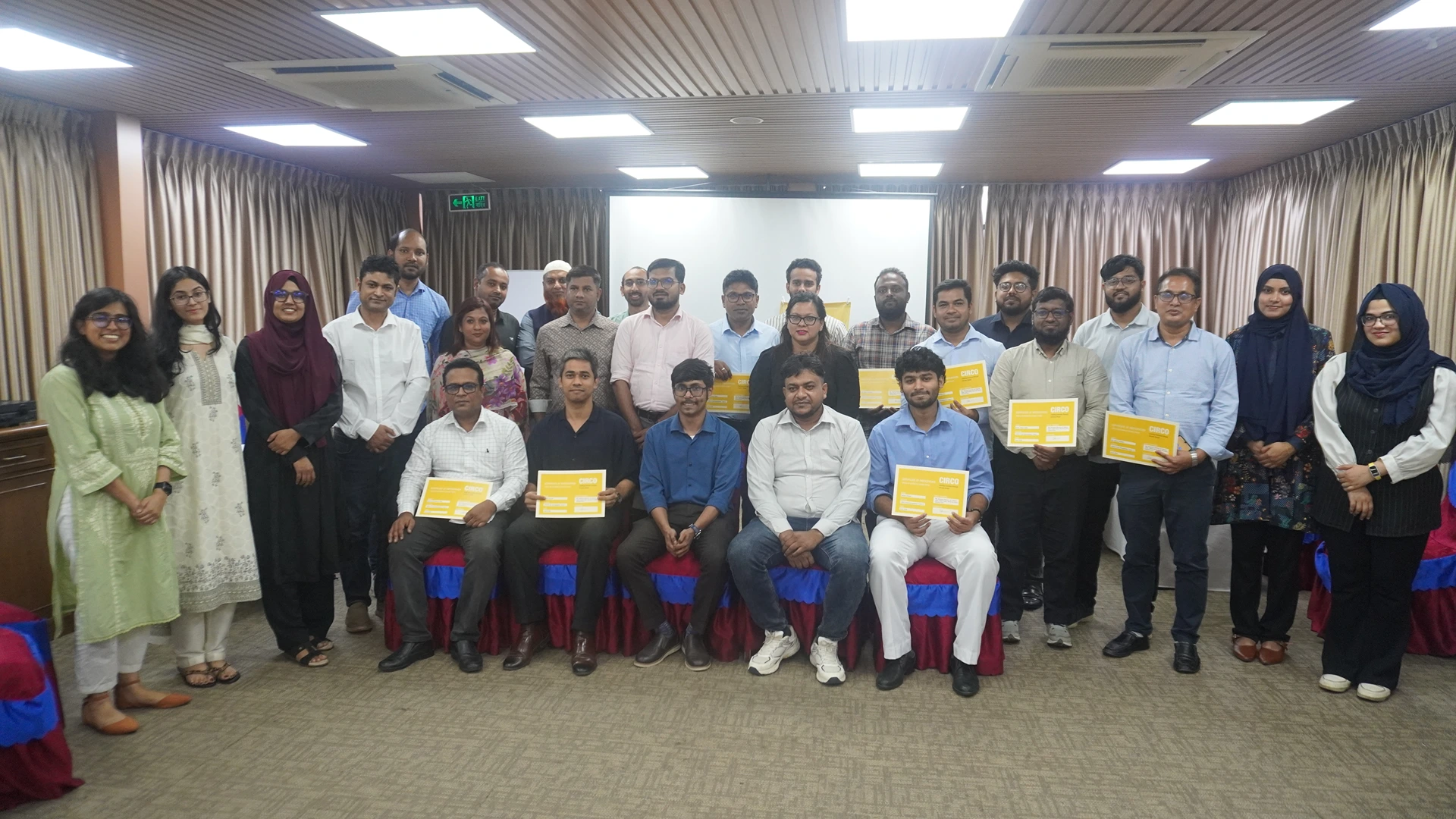
Following two successful Tracks earlier this year, CIRCO Hub Bangladesh concluded its third Track in Dhaka on 22 June 2026. Participants strengthened their commitment to circularity by improving process efficiency and extending product life cycles through diversified end uses. Over three days, eleven leading organisations worked together to transform circular ambitions into practical and actionable business models.
LightCastle Partners organized the workshop with support from the Embassy of the Kingdom of the Netherlands in Bangladesh, the Netherlands Enterprise Agency (RVO), and CIRCO International. The programme concluded with a dynamic pitching session and a certificate-giving ceremony. Mr. Zahedul Amin, Co-founder and Managing Director of LightCastle Partners, and Ms. Tanzila Tajreen, Senior Policy Advisor at the Embassy of the Kingdom of the Netherlands in Bangladesh, delivered the closing remarks.
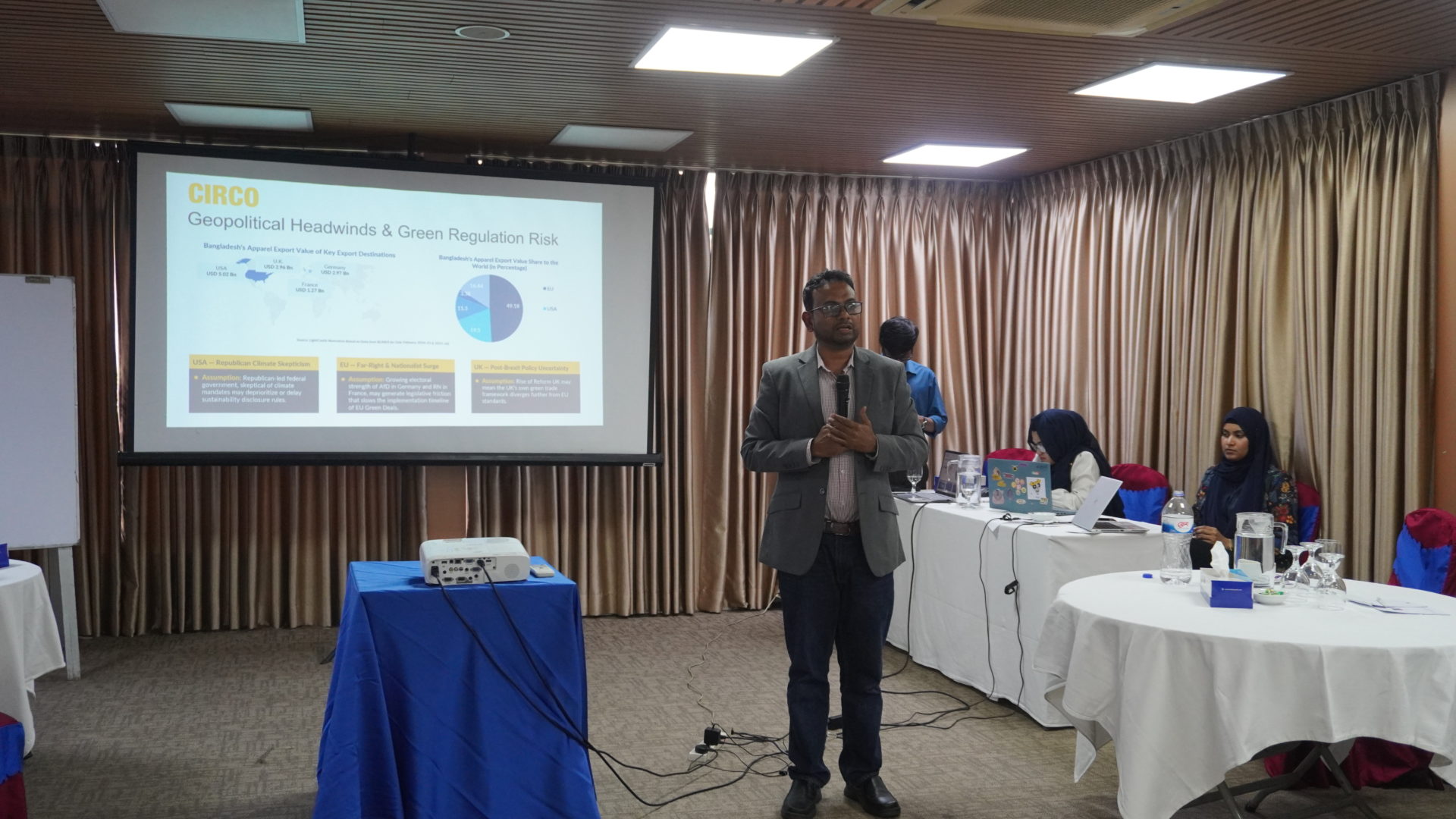
Throughout the three-day programme, participants also heard keynote addresses from Dr. Zaki Uz Zaman, Former Country Director of UNIDO Bangladesh, and Mr. Nure Alam, Chief Operating Officer of Renewable Energy, PRAN-RFL Group. Dr. Zaman shared valuable insights on Bangladesh’s position in the global circular economy landscape. Moreover, he encouraged participants to look beyond their own organisations and become catalysts for systemic change. He urged them to contribute to policy advocacy and drive sector-wide advancement across Bangladesh.
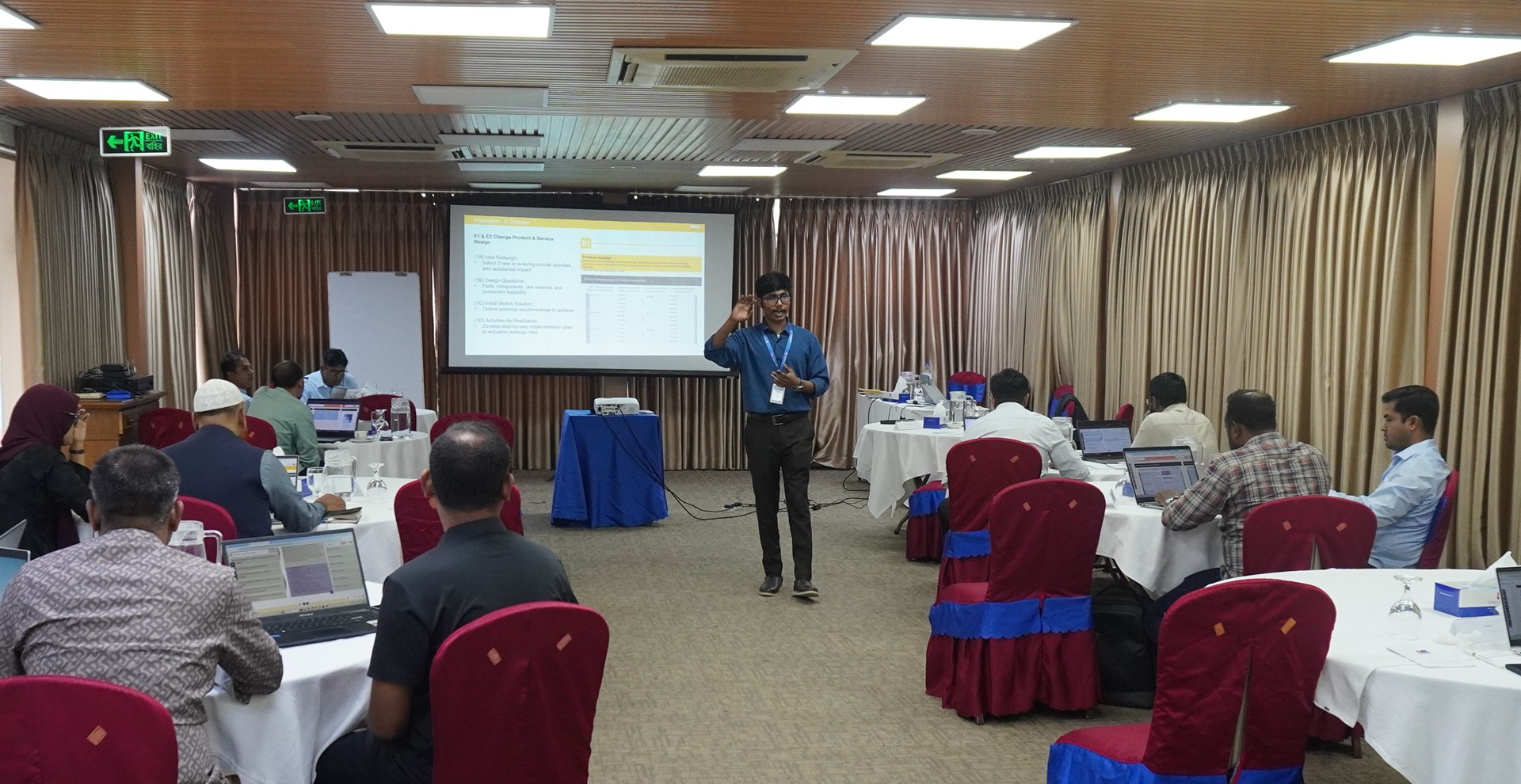
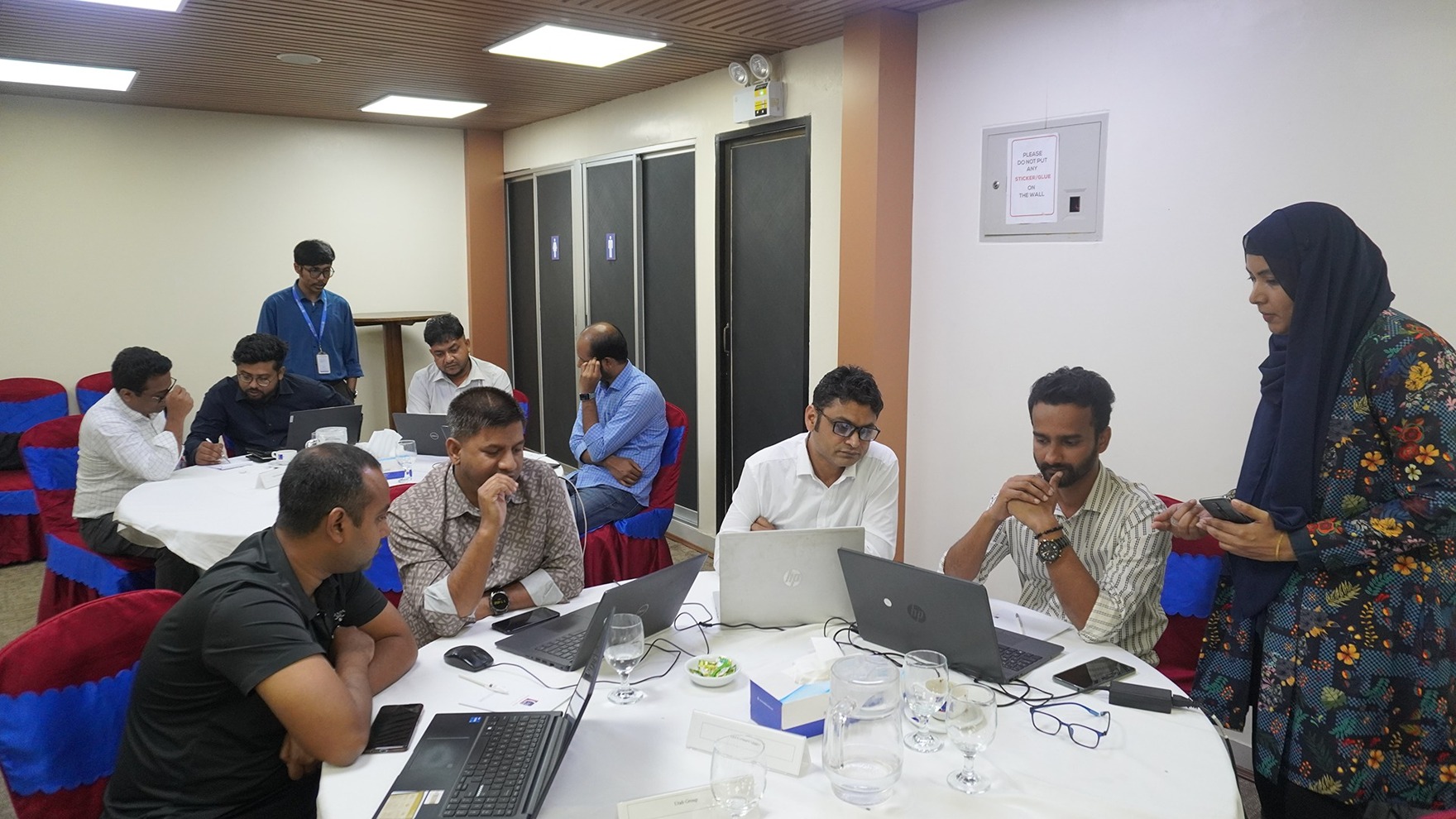
Certified CIRCO trainers led the third Track, including Mr. Md. Mubassir Rahman, Principal Business Consultant, LightCastle Partners; Mr. M. Rakinul Islam, Business Consultant, LightCastle Partners; Ms. Ismat Ara Shimi, Business Consultant, LightCastle Partners; and Ms. Sadia Karim, Business Consultant, LightCastle Partners.
Professionals who completed the Track and pitched their circular business designs represented leading textile manufacturers and recyclers, including Bangladesh Knitwear Manufacturers and Exporters Association (BKMEA), Chorka Textile Limited, Dekko ISHO Group, Fakir Fashion Limited, HAMS Garments Limited, Knit Concern Limited, Liz Fashion Industry Limited, Pacific Recycled Fiber Limited, Shin Shin Apparels Limited, Urmi Group, and Utah Knitting & Dyeing Limited. Together, these organisations demonstrate the growing momentum behind circular economy practices in Bangladesh. More importantly, they reflect a shift from isolated initiatives to coordinated, ecosystem-wide action.
Meanwhile, the EU’s Digital Product Passport (DPP) and other sustainability transparency regulations are rapidly reshaping global trade. Environmental credibility is becoming a licence to trade for exporters. As a result, circularity offers more than regulatory compliance. It creates economic value by helping businesses unlock new revenue streams, optimise production processes, reduce material dependence, and strengthen long-term resilience. Therefore, companies that can demonstrate verifiable circularity will gain a strategic advantage in international markets. Bangladesh is steadily moving toward that future.
With three Tracks now complete, CIRCO Hub Bangladesh continues to build national capacity for circular transformation. Another Track will roll out later this year. Through the programme, each participating organisation develops two Advocates of Circularity who can lead change within their organisations while contributing to a stronger national ecosystem for innovation and policy advocacy.
For more information about the Track, visit www.circohubbangladesh.org or connect with CIRCO Hub Bangladesh on LinkedIn.
Our experts can help you solve your unique challenges