

GET IN TOUCH
- Please wait...


Bangladesh has spent the last three decades building one of the world’s most remarkable development stories reaching almost USD half a trillion dollars in GDP. Competitive manufacturing, a resilient private sector and an increasingly entrepreneurial economy have driven sustained growth, created millions of jobs and positioned the country as an emerging economic powerhouse.
However, the next phase needs to be fundamentally different. Around the world, Artificial Intelligence and automation are changing how businesses compete. The question now is how quickly countries can adapt. For Bangladesh, the implications extend well beyond the technology sector. They reach our factories, supply chains, financial institutions, farms and export industries. As production becomes more intelligent and data-driven, productivity, not labour cost , will determine competitiveness.
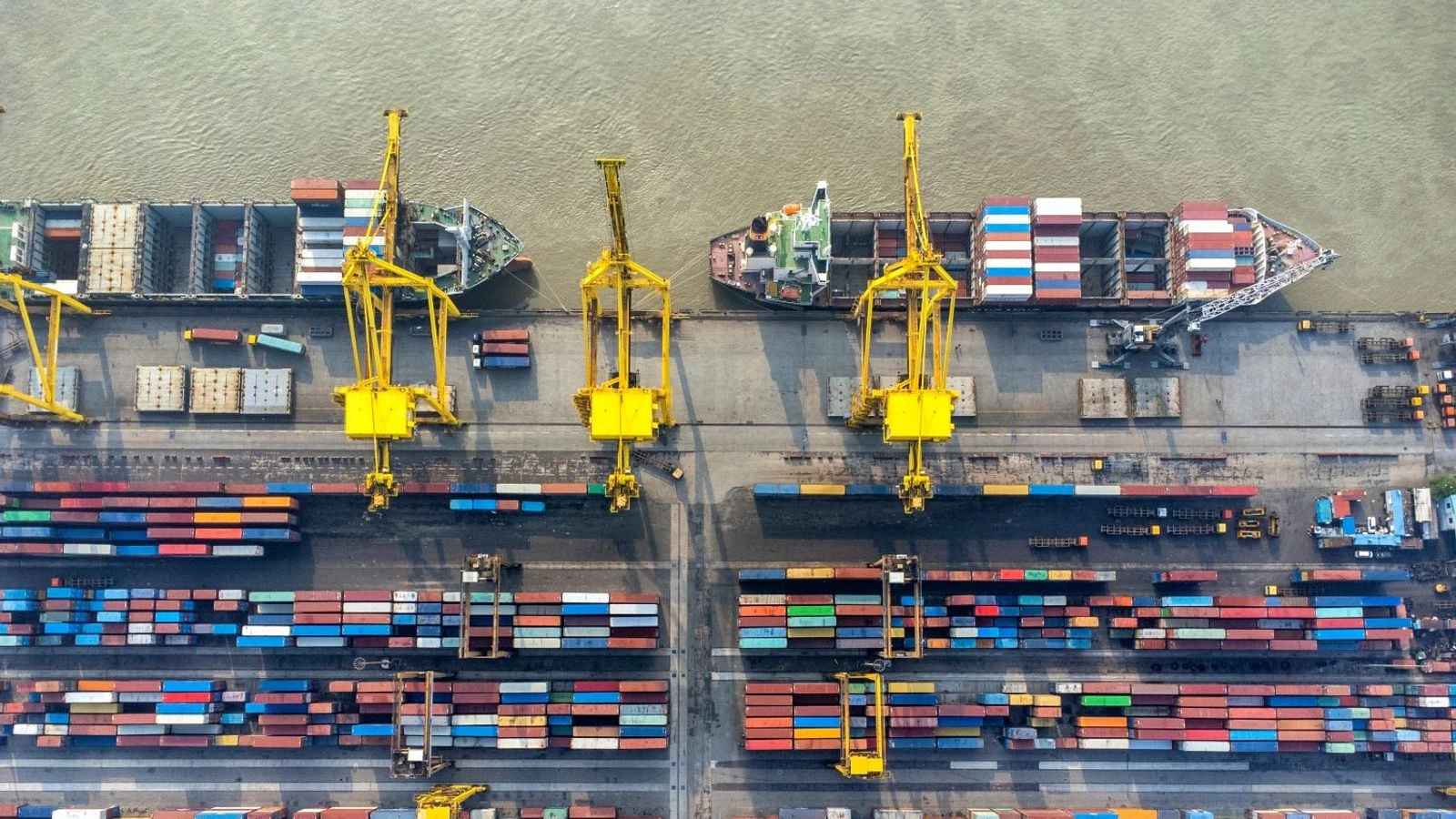
Our ready-made garments industry illustrates this shift well. Bangladesh established its global position through scale, efficiency and cost competitive workforce. Those strengths remain indispensable, but no longer sufficient. AI-assisted product design, automated quality inspection, predictive demand forecasting, better energy management and intelligent production planning are rapidly becoming standard capabilities across global manufacturing.
At the same time, Bangladesh’s policy landscape is beginning to evolve in the right direction. The FY2026–27 Budget recognises innovation and entrepreneurship as strategic drivers of long-term economic growth. Continued support for startups, financing mechanisms and regulatory reforms reflects a broader understanding that innovation requires enabling institutions.
These measures strengthen the foundations of a more dynamic economy, but their long-term impact will ultimately depend on execution, investment and private sector participation. We have also seen the establishment of Bangladesh Startup Investment Company with their inaugural USD 35 Mn fund as well as Fund of Fund by Startup Bangladesh Limited. All promising developments.
Innovation, however, should not be confined to startups alone. Bangladesh’s economic transformation will be shaped just as much by manufacturers adopting latest tech, SMEs digitising operations, financial institutions financing new technologies and established businesses rethinking how they create value. The opportunity lies in enabling every sector of the economy to become more productive.
Technology alone will not deliver that outcome. Competitive economies align technology with skills, investment, regulation and industrial policy. Businesses need access to capital to modernise. Workers need opportunities to develop new capabilities.
This has become a defining theme across our work at LightCastle Partners. Whether analysing fiscal policy, sustainable finance, manufacturing competitiveness or emerging technologies, the underlying challenge remains remarkably consistent: how do we enable Bangladesh and other frontier markets to create more value from every enterprise, every investment and every worker?
This article was authored by Bijon Islam, Co-founder and CEO of LightCastle Partners. For further clarification, please contact: [email protected].
Our experts can help you solve your unique challenges
Stay up-to-date with our Thought Leadership and Insights