




GET IN TOUCH
- Please wait...


For Bangladeshi businesses, ESG is becoming a condition of market access, financing, and investor confidence. Export-oriented manufacturers increasingly receive data requests from international buyers covering energy, emissions, water and worker safety. Through CDP alone, more than 270 major buyers asked about 45,000 suppliers to disclose in 2025. Meanwhile, Banks face their own disclosure mandate from Bangladesh Bank.¹ Listed companies are measured by global rating providers on the depth of their sustainability disclosure.
The scale of exposure is significant. Bangladesh’s RMG exports totalled USD 38.70 billion in FY2025-26. The EU absorbed USD 19.06 billion, or 49.25% of total apparel exports. Therefore, nearly half of the country’s largest export sector depends on a market that is formalising sustainability requirements across its supply chains.
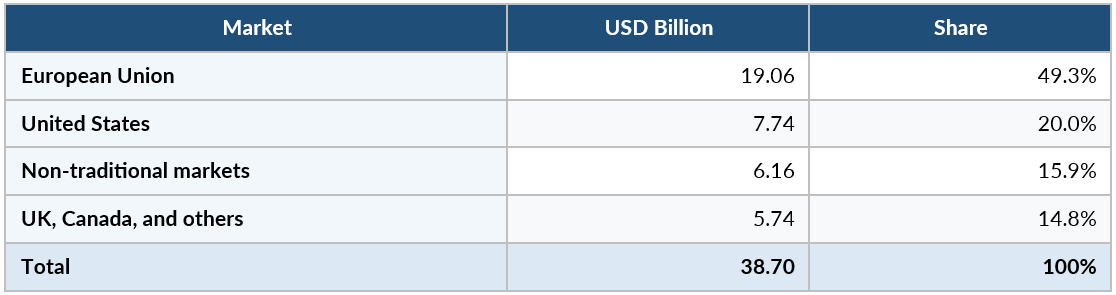
Table 1: Bangladesh RMG Exports by Market, FY2025-26²
An ESG report sets out how a company performs on three groups of issues: Environmental, Social, and Governance. The topics are broadly similar across sectors. However, what changes is which topics matter most.
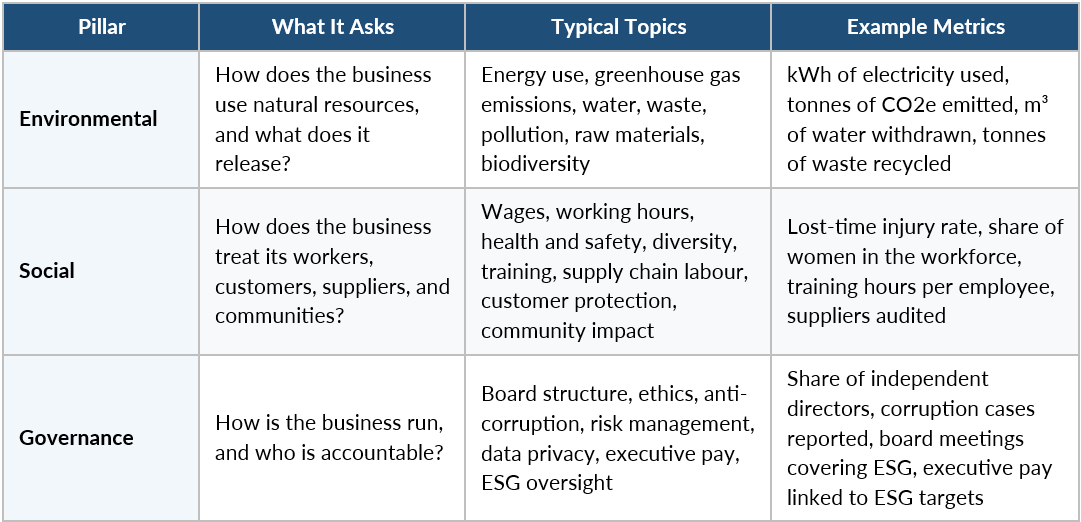
Table 2: What ESG Covers
Every company reports on all three pillars, but the weight it gives each one depends on its business model. For example, a garment factory consumes large amounts of energy and employs thousands of workers. A bank’s largest environmental exposure sits in its loan book. Meanwhile, a telecom operator’s largest governance risk lies in how it handles customer data.
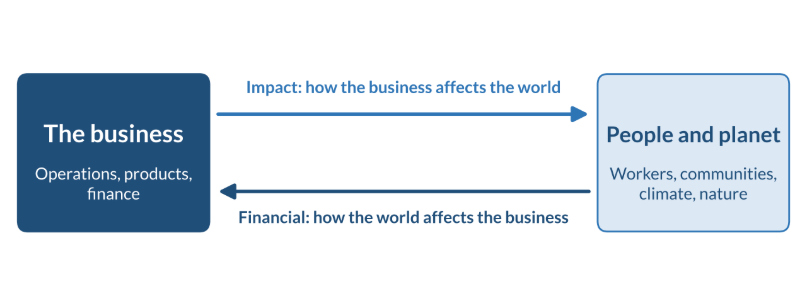
Figure 1: ESG Runs in Both Directions
Most ESG reports share the same four building blocks. Importantly, a strong report connects all four: the policy sets the direction, the target sets the bar, the data shows progress, and the narrative explains the gap. Together, these elements strengthen accountability.
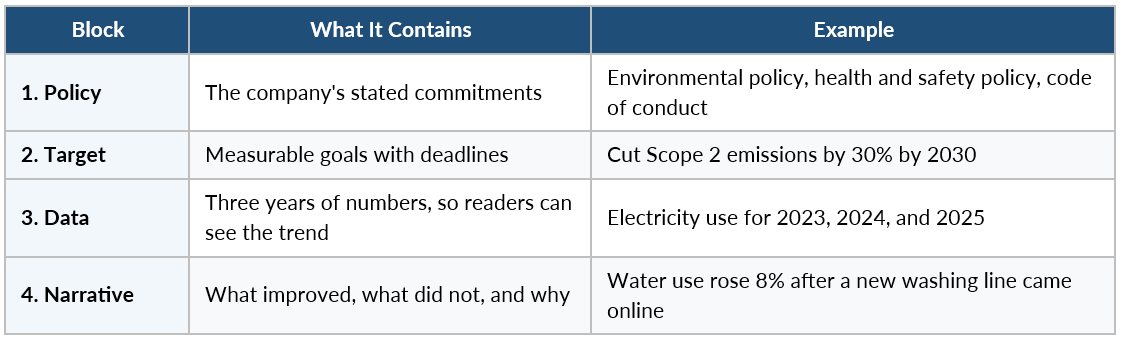
Table 3: The Four Building Blocks of an ESG Report
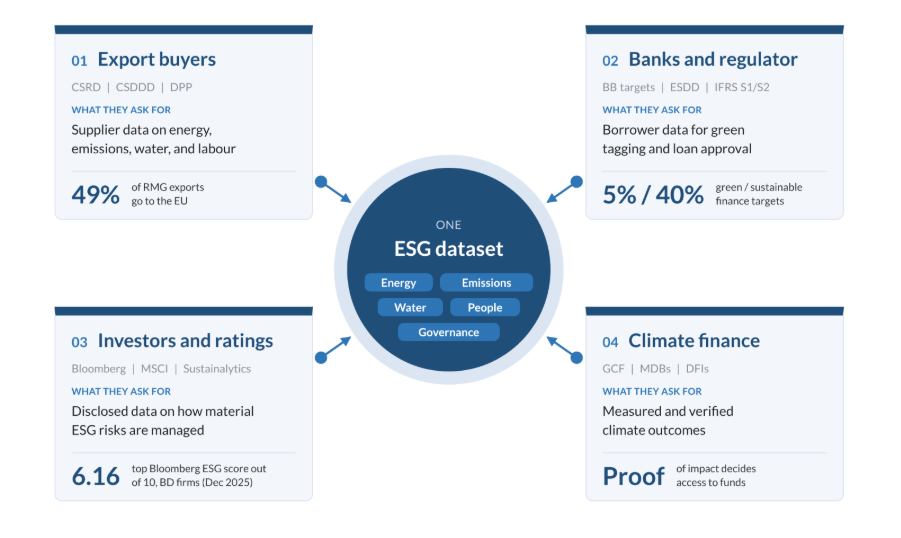
Figure 2: Four Pressures, One Dataset
The EU has introduced a set of regulations that reach Bangladeshi suppliers indirectly, through the brands that buy from them.
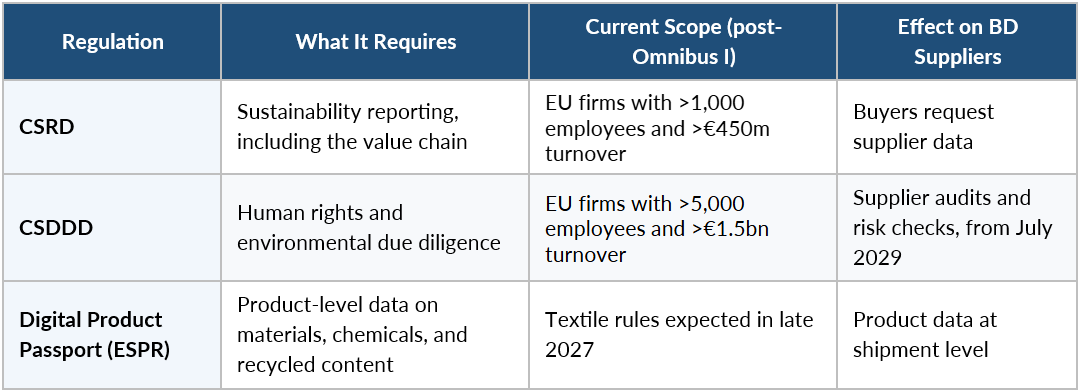
Table 4: EU Rules That Reach Bangladeshi Suppliers³
The scope of these regulations was revised in 2026. Specifically, the Omnibus I package, approved on 24 February 2026, cut CSRD’s estimated coverage from about 50,000 companies to about 5,000. Nevertheless, sustainability requirements remain relevant for Bangladesh’s export sector.
The companies that remain in scope include most of the large brands that source from Bangladesh. Therefore, they still need supplier data. Omnibus I caps what they can demand from partners with 1,000 or fewer employees, limiting it to a voluntary standard. However, many large Bangladeshi factories sit above that line and will still face full requests.
The Digital Product Passport is the more structural shift. The EU’s DPP registry became operational on 20 July 2026. Textile-specific rules are expected toward the end of 2027, followed by a transition period of about 18 months. As a result, product-level transparency will become increasingly important.
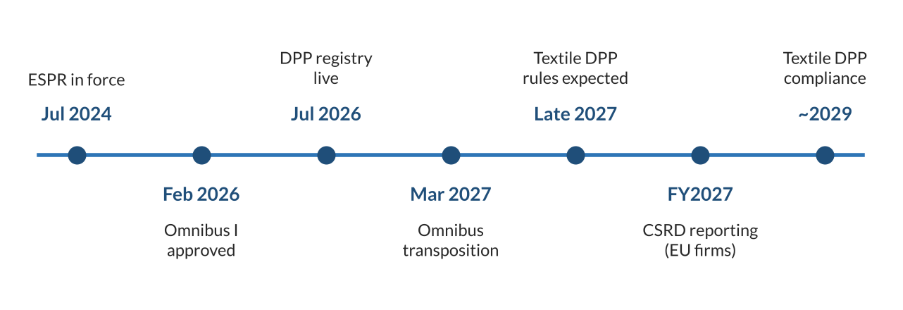
Figure 3: EU Regulatory Timeline Relevant to Bangladeshi Exporters
Bangladesh Bank links disclosure to lending through financing targets, due diligence, and concessional refinancing. Consequently, reliable ESG data is becoming increasingly relevant to green finance.
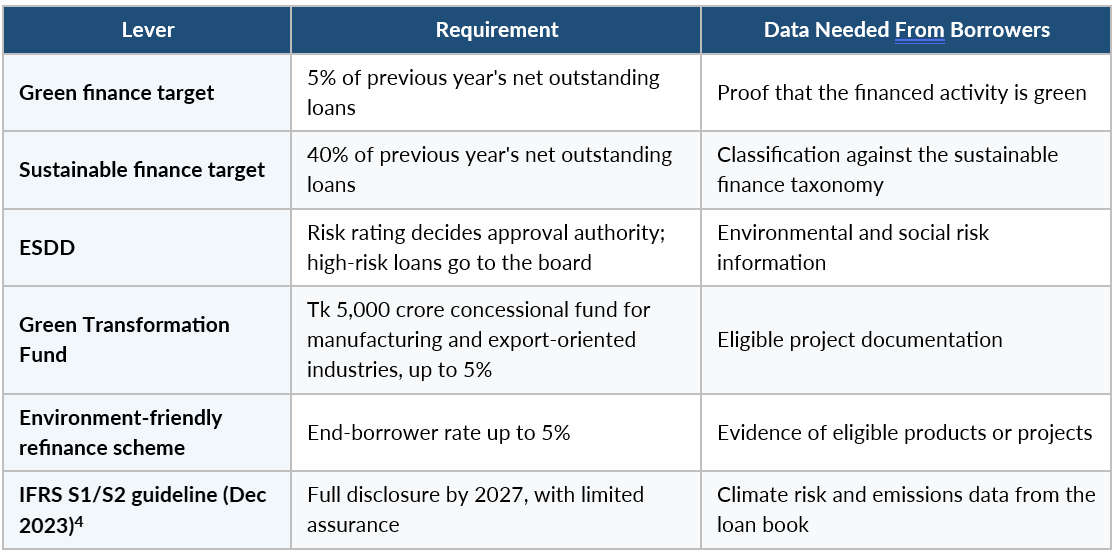
Bangladesh Bank Levers That Depend on ESG Data⁵
Global rating providers score listed companies on how well they manage material ESG risks. However, they can only score what a company discloses, so thin disclosure pulls the score down. Only 16 Bangladeshi listed firms carry a Bloomberg ESG score, against 74 in Pakistan, 205 in Indonesia and 680 in India. In Bloomberg’s December 2025 release, the highest Bangladeshi score was 6.16 out of 10. The three rated financial institutions scored between 3.28 and 3.99. Therefore, for international investors, limited disclosure reads as elevated investment risk.
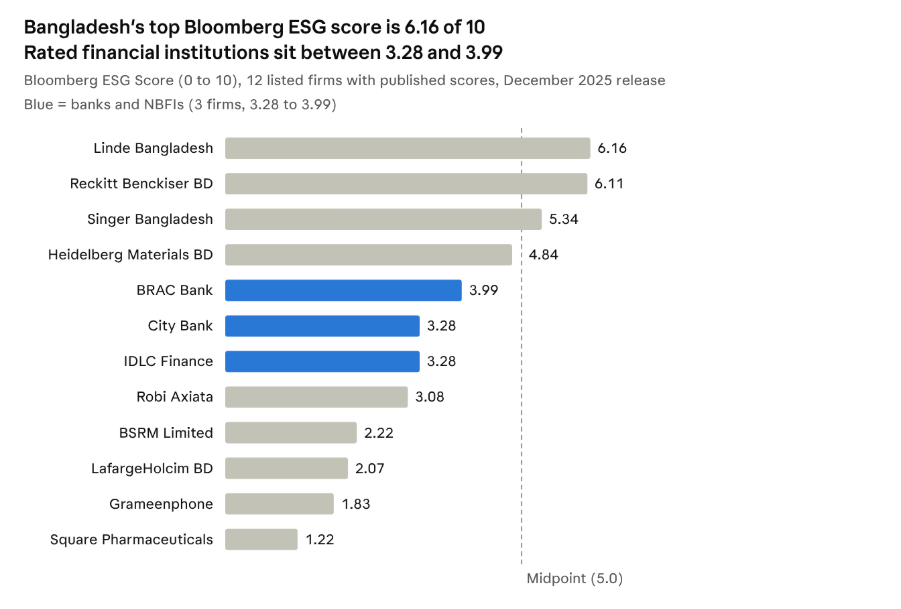
Bloomberg ESG Disclosure Scores, Bangladeshi Listed Firms, February 2026⁶
Bloomberg is one of three providers that international investors rely on most. However, each asks a different question, so the same company can rank well on one and poorly on another. This difference reinforces the importance of consistent ESG integration.
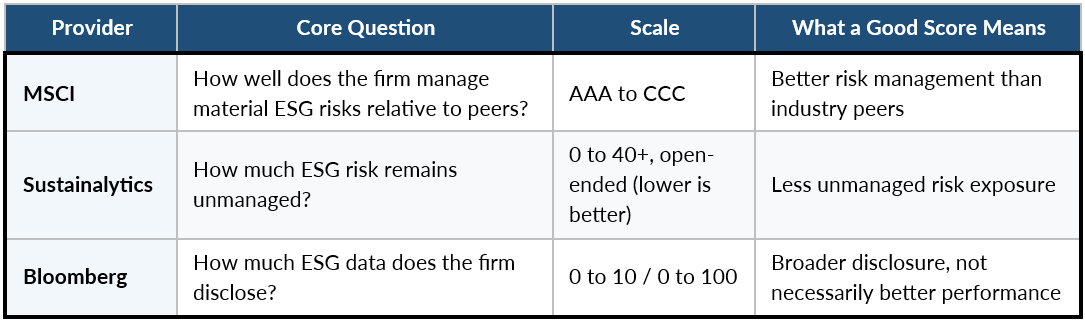
Table 6: How the Major Rating Providers Differ
No company reports on every issue. Instead, reporting focuses on material issues, meaning those most significant to the business and its stakeholders. Frameworks define materiality in three ways.
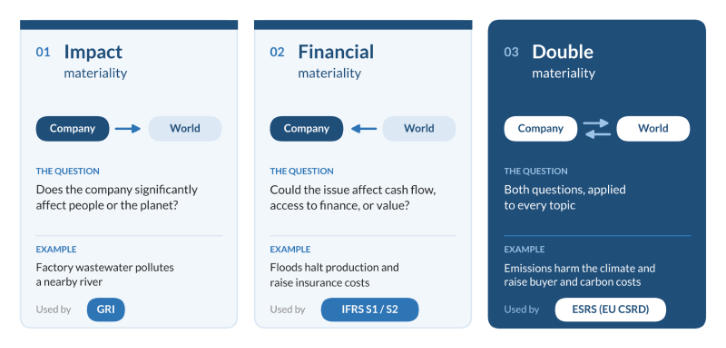
Figure 5: Three Lenses of Materiality
In practice, most firms use the double materiality lens. Therefore, a four-step assessment turns a long list of issues into a short list worth reporting.
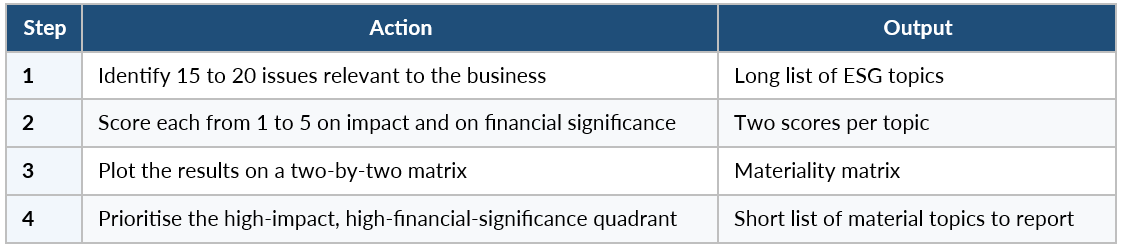
Table 7: Four-Step Materiality Assessment
For most RMG manufacturers, the priority quadrant aligns closely with the issues international buyers raise first: energy and emissions, water and chemicals, health and safety, and wages. Similarly, these issues increasingly shape the sector’s long-term competitiveness.
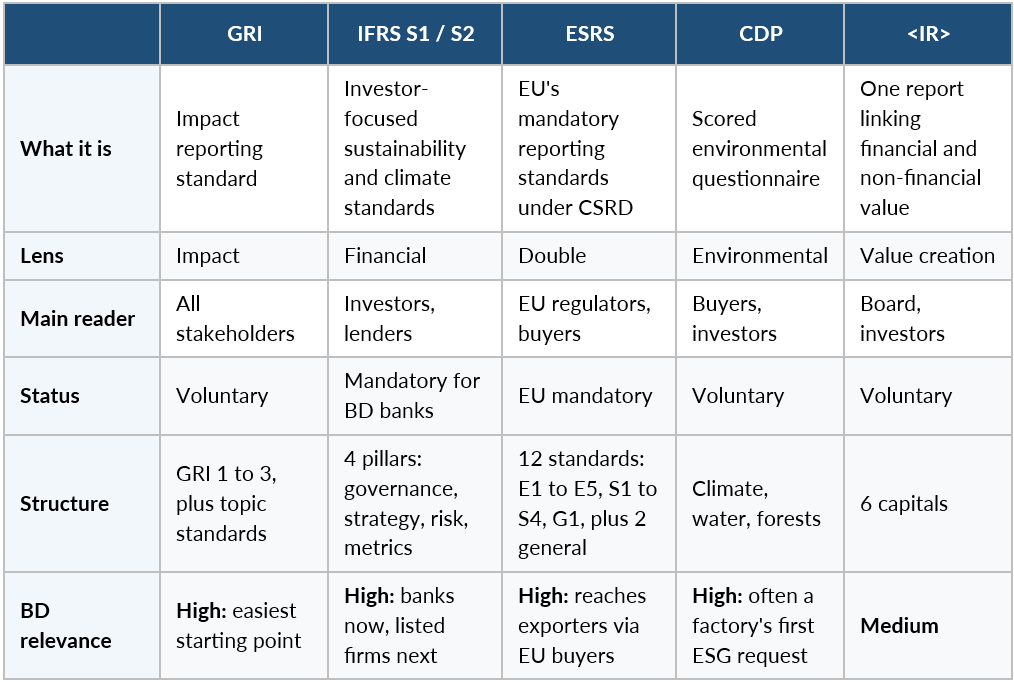
Table 8: The Five Major Frameworks at a Glance
1. Build one ESG data register before choosing a framework
The first priority is developing a single ESG data register with one clear owner. That owner should track all core metrics every month: grid electricity, diesel, gas, water withdrawal, effluent quality, waste, injuries, lost days, wages, headcount, share of women, training hours, supplier audits, grievances, and board ESG reviews. Moreover, each figure should trace back to its source bill, meter reading, or register. This is recommended for all exporters, listed companies, and bank borrowers above the ESDD threshold. Every framework, buyer questionnaire, and loan file covered in this report draws on the same underlying data. Therefore, a single register ends the cycle of rebuilding numbers for each request. It also creates the audit trail that limited assurance will require.
2. Report on GRI and map the same data to buyer and lender formats
For first-time reporters, especially RMG exporters and mid-sized listed firms, GRI offers the most practical entry point. It is already used by 71% of the 5,800 largest companies across 58 countries. However, the first GRI-referenced report should stay focused on the topics in the priority quadrant of the materiality matrix, rather than trying to cover everything. Scope 2 emissions should be calculated with the Department of Environment grid factor of 0.62 tCO2/MWh.⁷ Once the core report is in place, the same metrics can be mapped to ESRS E1 and S2 for EU buyers, CDP for brand questionnaires, and IFRS S2 for lenders. As a result, one dataset then serves three audiences.
3. Pilot product-level traceability for the Digital Product Passport
RMG and textile exporters with EU buyers should move early on traceability.⁸ Specifically, the recommended approach is to select one high-volume product line sold to the EU and trace it end to end. This means capturing fibre composition, chemicals used, recycled content, and the identity of tier 1 and tier 2 suppliers, stored in a format that can be shared with the buyer. The timing matters. EU textile rules are expected in late 2027, with compliance due roughly 18 months later. With 49% of RMG exports going to the EU, the exposure is significant. Therefore, a pilot today costs a fraction of a rushed build after the rules are adopted. It also gives exporters a head start in buyer conversations.
4. Use ESG data to unlock cheaper finance
ESG data is not only a compliance cost. Used well, it lowers the cost of capital. Borrowers with green investment plans should tag eligible projects, such as rooftop solar, ETP upgrades, and efficient machinery, against the Bangladesh Bank sustainable finance taxonomy. This positions them for the Green Transformation Fund or the 5% environment-friendly refinance scheme.⁹ Meanwhile, Banks and finance companies, for their part, should build borrower ESG data into ESDD and calculate PCAF financed emissions for their 20 largest borrowers ahead of full IFRS S2 disclosure in 2027.¹⁰ The incentives line up on both sides. Banks must place 40% of net outstanding loans in sustainable finance, with at least 5% in green finance. Consequently, reliable borrower data helps them meet those targets, and it gives borrowers access to concessional rates.
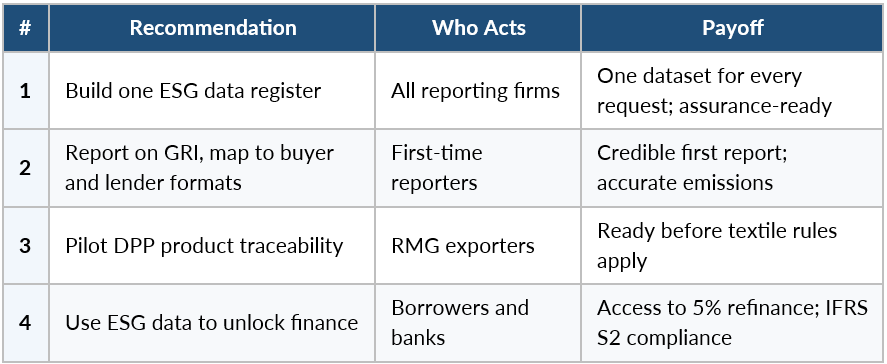
Table 9: Summary of Recommendations
ESG reporting in Bangladesh is shifting from a voluntary communication exercise to a core business requirement. EU buyers continue to face value chain obligations, and the Digital Product Passport will extend data requirements to the product level. At home, IFRS S1 and S2 are already mandatory for banks and adopted by the FRC. However, an effective date for listed companies is still pending. Meanwhile, investors and climate funders increasingly base their decisions on disclosed data.
The frameworks differ in lens and audience, but they all depend on the same foundation: reliable data, sound measurement, and clear accountability. Therefore, for Bangladeshi firms, the priority is not a polished report. It is building that foundation now. Firms that do so will answer buyer, lender, and regulatory requests quickly and at lower cost. Conversely, those that delay risk losing orders, finance, and competitive position.
This article was authored by Shoumik Shahriar, Principal Business Consultant & Portfolio Manager at LightCastle Partners. For further clarification, please contact [email protected].
Our experts can help you solve your unique challenges
Stay up-to-date with our Thought Leadership and Insights