


GET IN TOUCH
- Please wait...

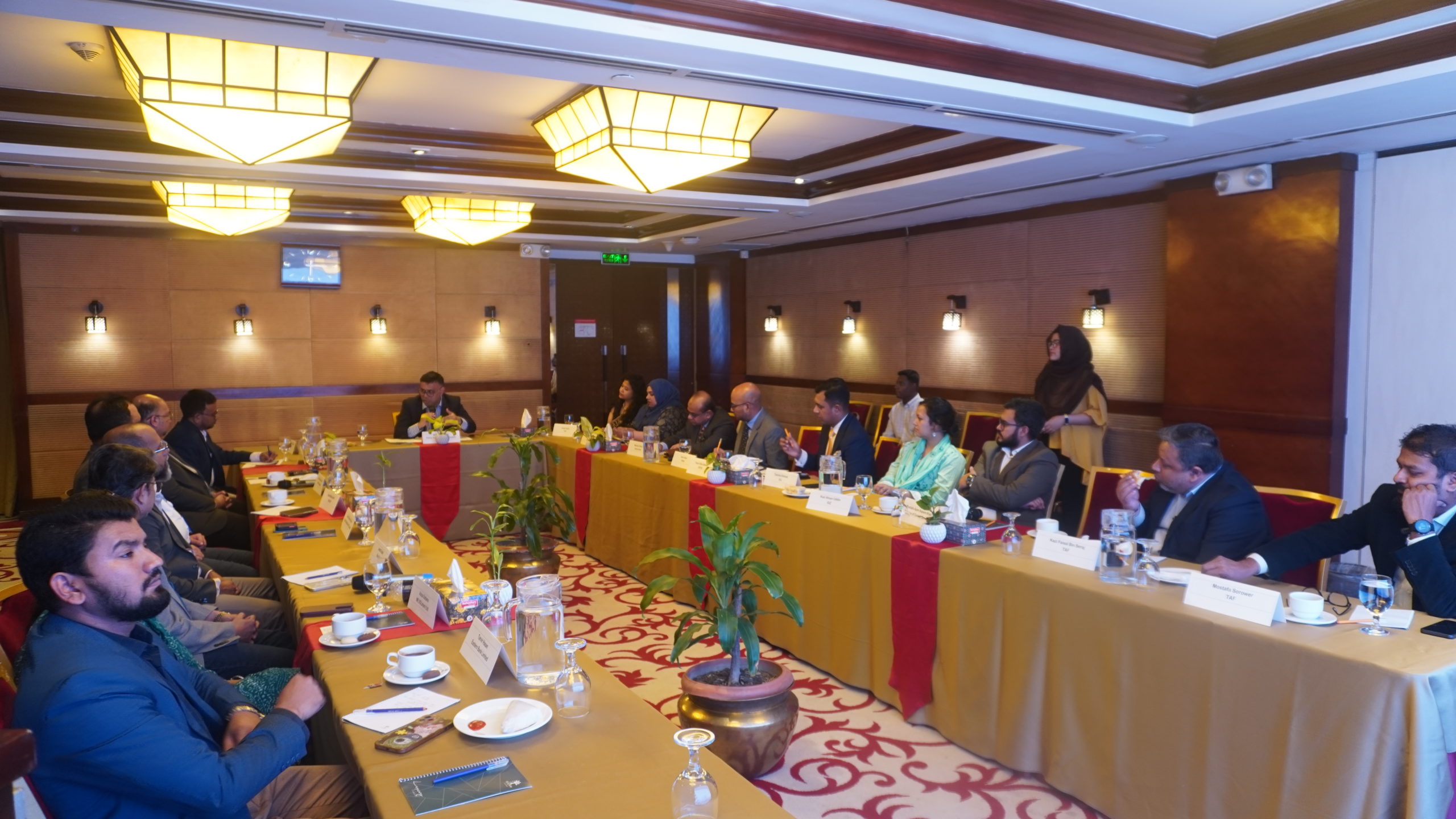
On May 7, 2026, LightCastle Partners convened a closed-door roundtable titled “Financing the Green Transition of Bangladesh’s RMG Industry”. The session was organized as part of Bunon 2030 under Phase 2 of the Oporajita – Collective Impact on Future of Work: Just Transition for Women in the RMG Ecosystem initiative. This collective effort is supported by the H&M Foundation, co-funded by Sweden and COS, with The Asia Foundation serving as the backbone organization.
The roundtable brought together a diverse group of stakeholders from government bodies, the private sector, financial institutions, and development organizations to discuss pathways for mobilizing the capital necessary to meet global decarbonization and sustainability standards. Participants included representatives from BIDA, Policy Exchange Bangladesh, Knit Asia, PRAN, Neo Grid, Omera Solar, ME SOLshare Ltd., IDCOL, Eastern Bank Limited, the European Union, the World Bank, UNCDF, GIZ, the High Commission of Canada, and The Asia Foundation.
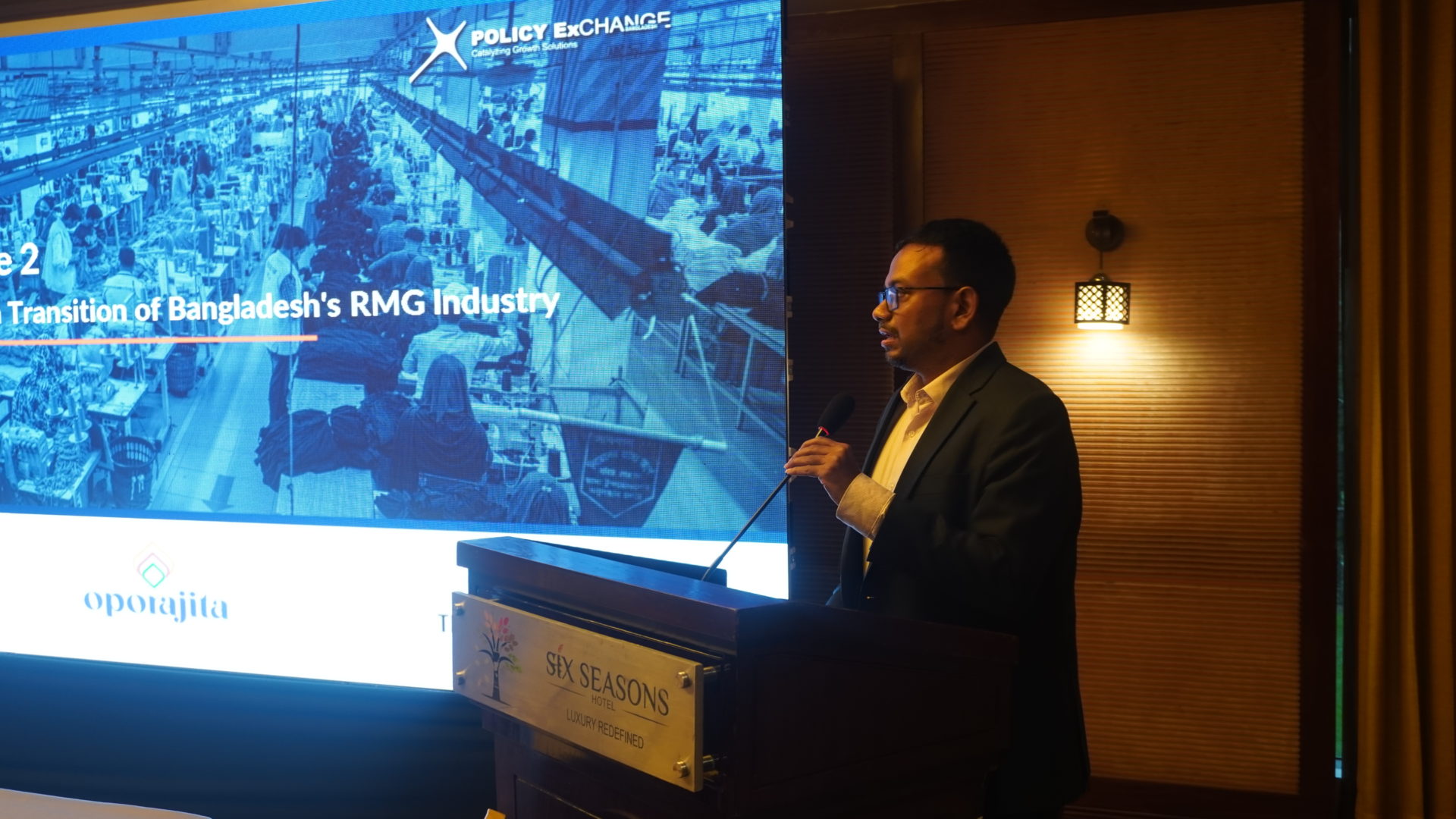
The roundtable was commenced with a keynote presentation by Zahedul Amin, Managing Director and Co-Founder of LightCastle Partners. Mr. Amin outlined the sector’s USD 4.8 billion unmet financing need between 2025 and 2029 and highlighted energy insecurity as a growing structural cost burden, with RMG production reportedly falling by 25–30% due to energy shortages. He also pointed to the “compliance-before-finance” loop as a key barrier, where factories struggle to access capital for upgrades because they do not yet meet the standards that financing is intended to support. With upcoming EU regulations and Bangladesh’s LDC graduation in 2026, he emphasized that domestic renewable energy is becoming essential for the industry’s long-term competitiveness.
Building on the keynote, the discussion then shifted to a broader policy and financing roundtable. The discussion was moderated by Dr.M Masrur Reaz, Chairman of Policy Exchange Bangladesh, who framed the green transition as an existential necessity for Bangladesh’s RMG sector. He emphasized that “compliance is no longer optional; without meeting global ESG and regulatory standards, even the most price-competitive labor will fail to provide a compelling value proposition to international buyers.” He further noted that transitioning the world’s second-largest RMG industry is a major undertaking that requires a comprehensive strategy, coordinated execution, and strong policy alignment. Following this framing, the floor was opened to stakeholders, beginning with Amer Salim, Director at Knit Asia, who stressed that energy security and green transformation are the cornerstones of our survival, and the sector must move beyond merely listing challenges and focus on creative, practical solutions to retain competitiveness and prevent talent brain drain. Nure Alam, COO of PRAN, then discussed key policy and regulatory issues affecting renewable energy adoption, including wheeling charges, open access tariffs, curtailment protocols, and regulatory certainty. He noted that predictable and supportive policy frameworks are essential for private power developers seeking to support the export sector.
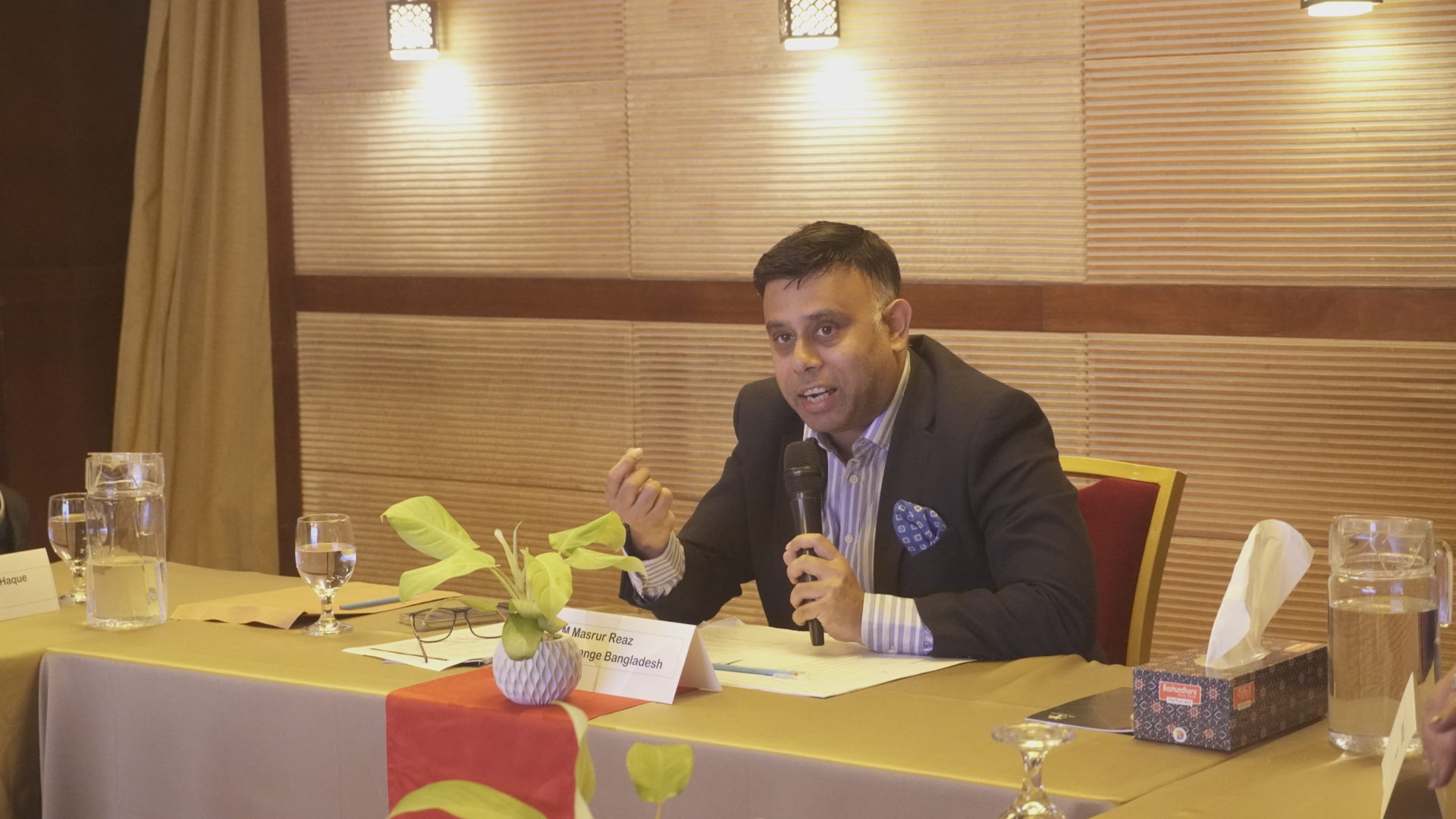
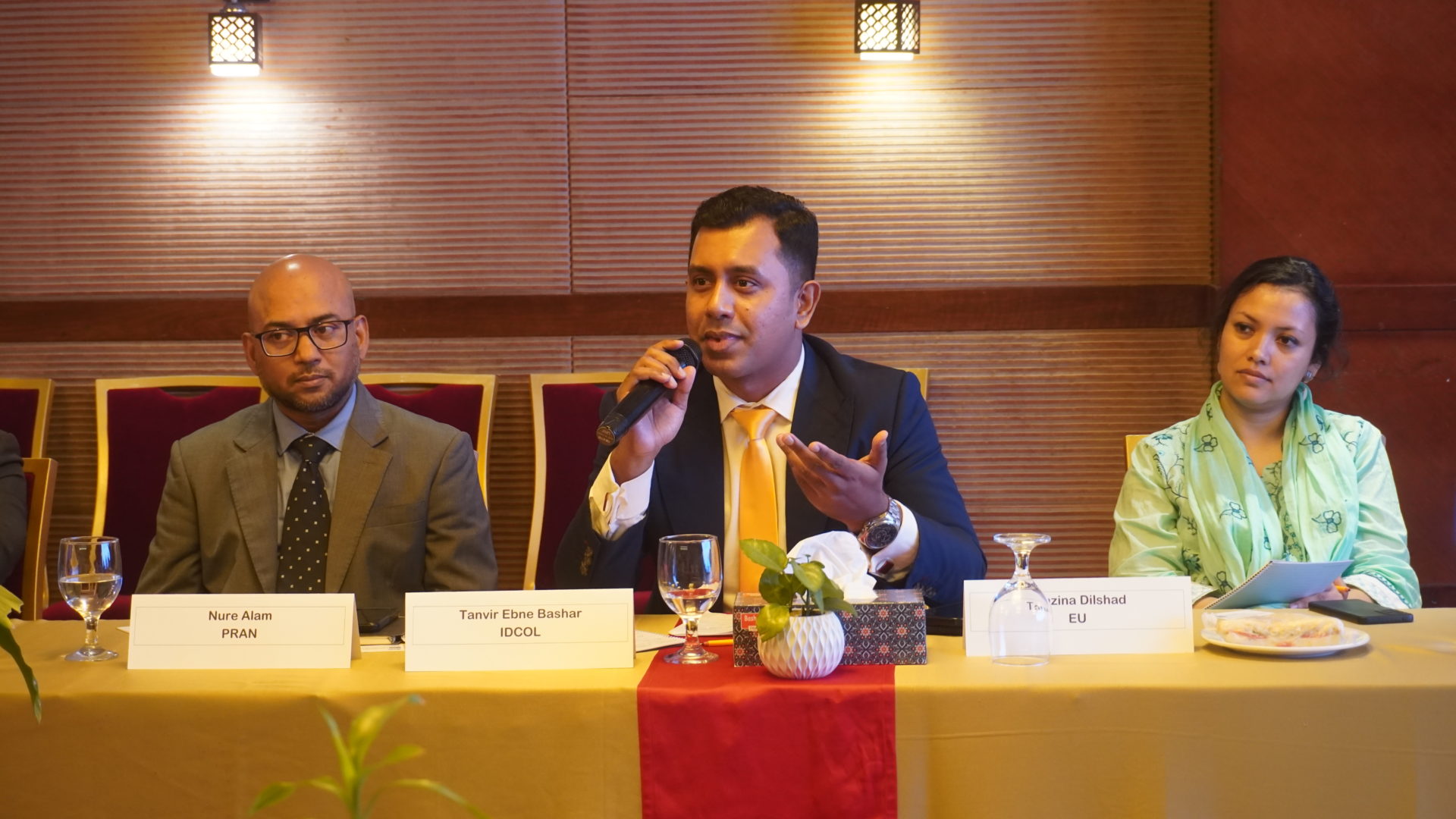
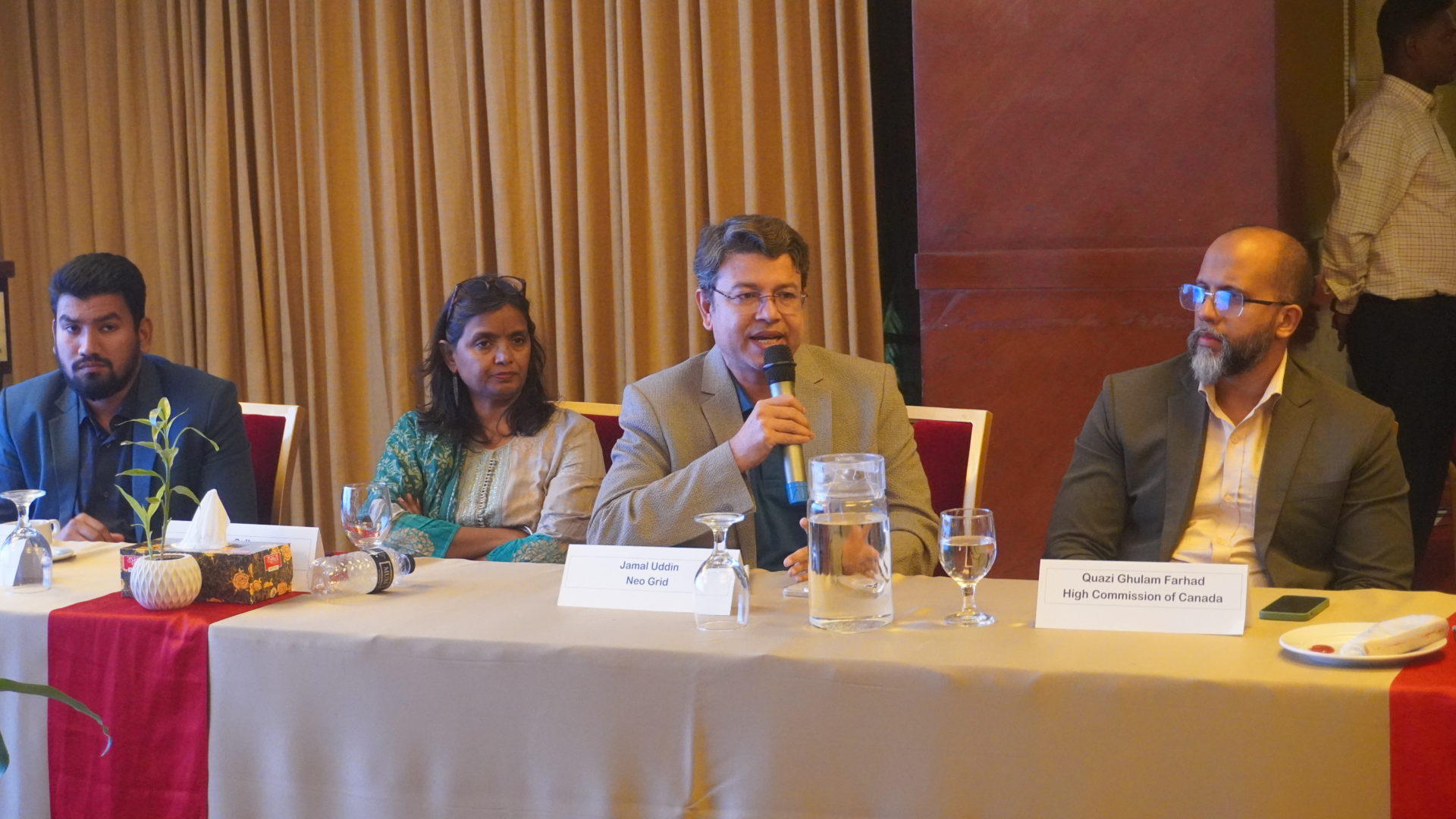
Continuing the dialogue, Jamal Uddin, CEO of Neo Grid, focused on the financing challenges faced by mid-tier investors, particularly technologies such as lithium battery storage. He remarked that “the lack of bankable collateral prevents these factories from accessing essential finance.” Masudur Rahim, CEO of Omera Solar, highlighted the strong potential of rooftop solar, noting that it could make a significant contribution to national renewable energy goals if customs and tariff-related barriers are addressed. He emphasized that reducing cost burdens on green technologies would help accelerate adoption across the industrial sector.
Aziza Sultana, DCEO of ME SOLshare Ltd., advocated for mobilizing SME clusters into combined entities to achieve the scale required for decentralized green energy solutions. She mentioned, “to make green technology viable for them, we must mobilize these smaller players into combined entities that meet the scale required for financing.” Tanvir Ebne Bashar, VP at IDCOL, highlighted IDCOL’s role in mobilizing funds directly from international DFIs, enabling it to provide longer-term financing, technical assistance, and energy audits to factories while reducing its dependence on local market fluctuations.
Tanvir Hasan, AVP at Eastern Bank Limited, discussed the challenges commercial banks face in expanding green finance. He noted that “the lack of a local green bond market limits our ability to offer the lower rates that customers expect” for sustainability projects. Tanzina Dilshad, Program Manager at the European Union, highlighted a 300-million-euro facility for green energy transition from 2025, adding that “our goal is to ensure that small and medium enterprises are not left behind as they prepare for new EU corporate due diligence requirements.”
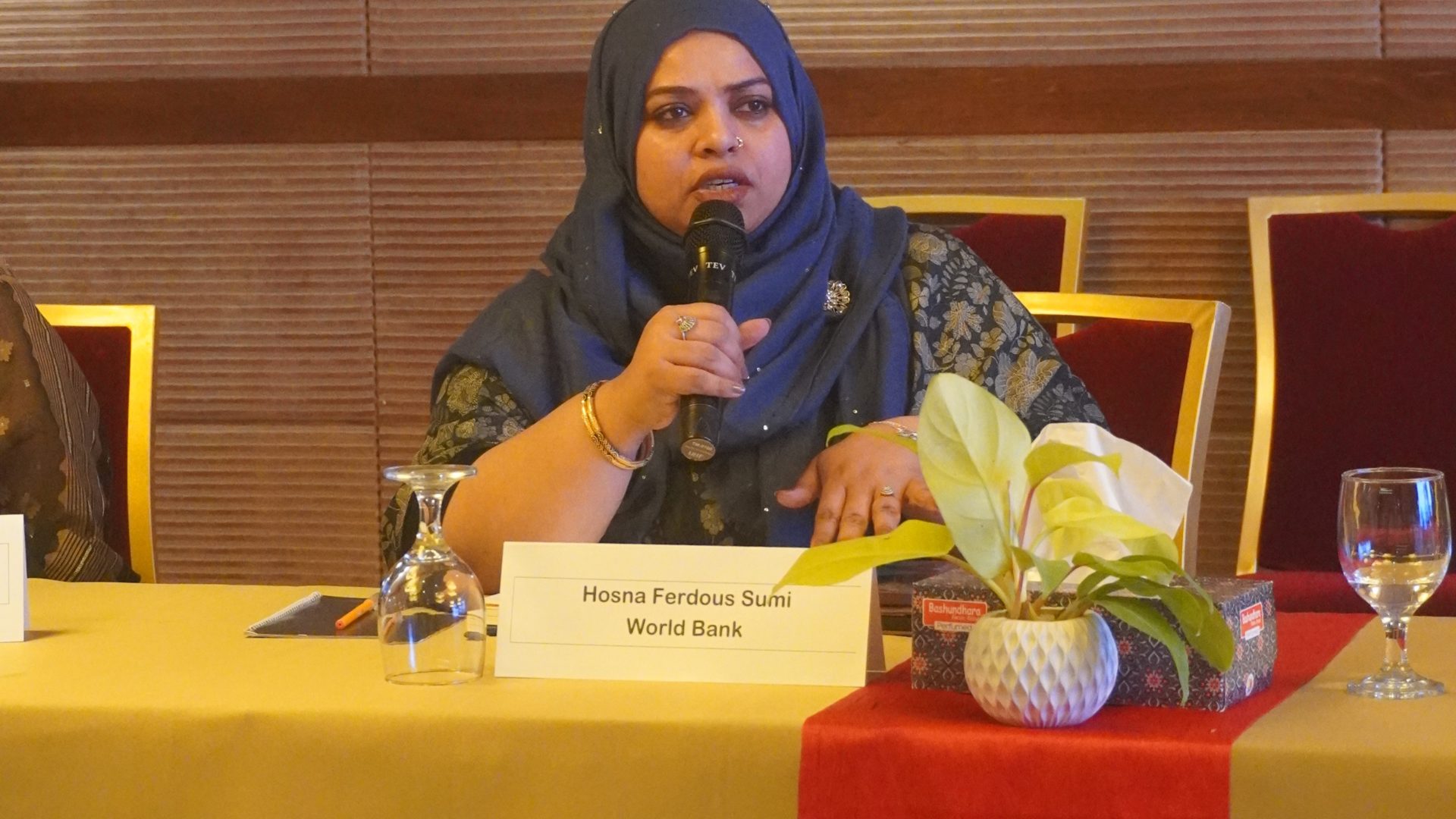
Hosna Ferdous Sumi, Senior Private Sector Specialist at the World Bank, shared the success of microloans for solar as a positive model for reaching smaller enterprises. She also emphasized the need for greater efficiency and policy consistency in large-scale renewable energy projects to protect years of feasibility work, structured financing, and investor confidence. Sadat Mainuddin, Country Project Manager at UNCDF, advocated for the use of credit guarantees, noting that they “have proven globally successful in unlocking finance for smaller businesses.” He also expressed confidence in capitalizing green loans through specialized intermediaries to better serve MSMEs. Kazi Ahsan Uddin, Advisor at GIZ, proposed that leveraging carbon credit targets as seed money for green bonds could provide a sustainable path for financing the transition. He also suggested time-bound incentive structures to support long-term market viability.
Quazi Ghulam Farhad, Trade Commissioner at the High Commission of Canada, encouraged Bangladesh to emulate peers’ success in attracting Canadian DFI funding by providing a stable, supportive policy environment.
As the session neared its conclusion, Gazi AKM Fazlul Haque, Director General at BIDA, emphasized BIDA’s commitment to acting as a vital coordinator to overcome these hurdles for investors. He outlined the need for systemic change to ensure foreign investors are supported rather than delayed.
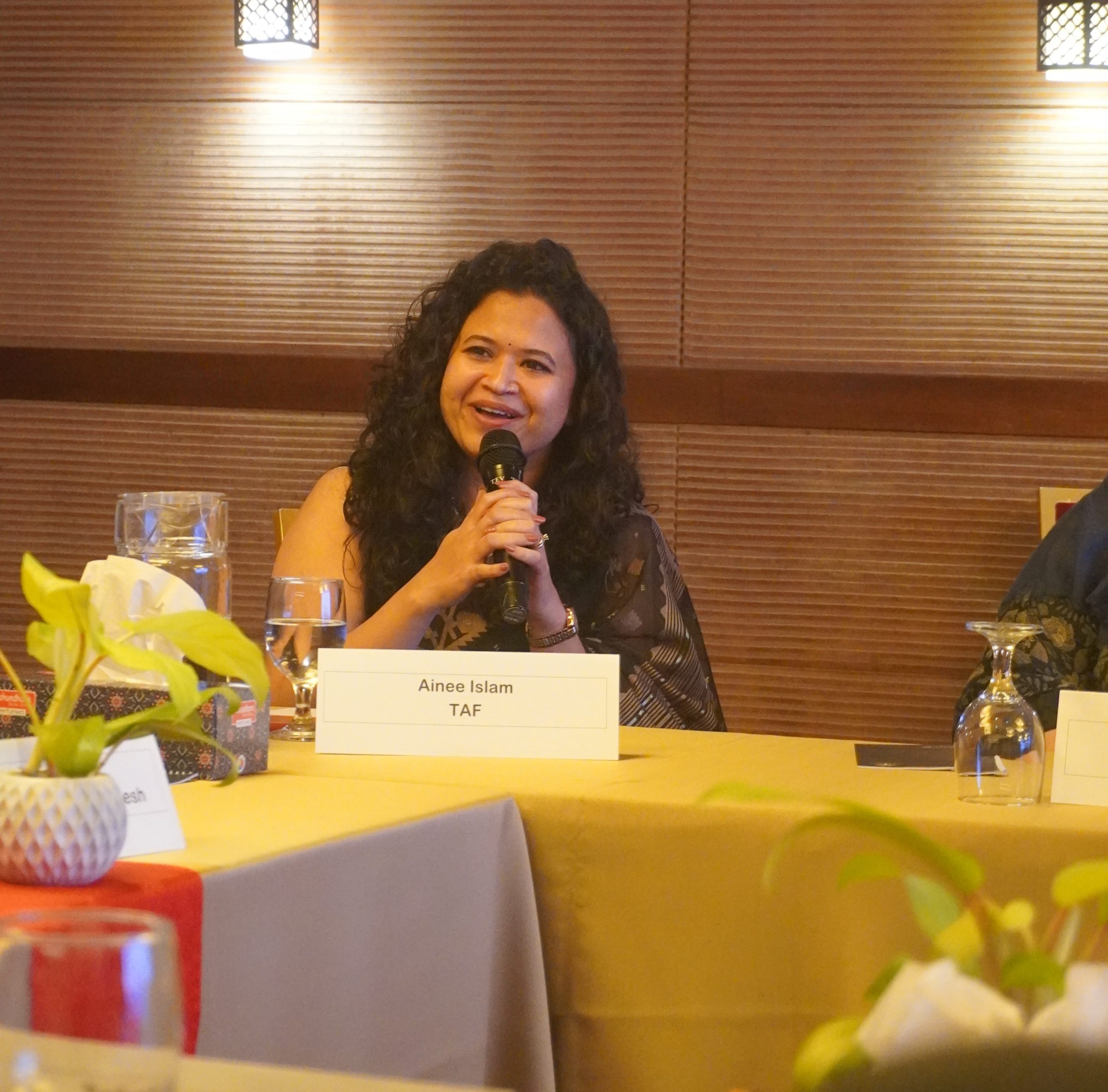
The event concluded with closing remarks from Ainee Islam, Program Director of The Asia Foundation, who emphasized that this dialogue is a vital step toward bridging knowledge gaps and advocating for the policy shifts necessary to secure a sustainable future for the RMG sector and its women workers.
Our experts can help you solve your unique challenges