




GET IN TOUCH
- Please wait...

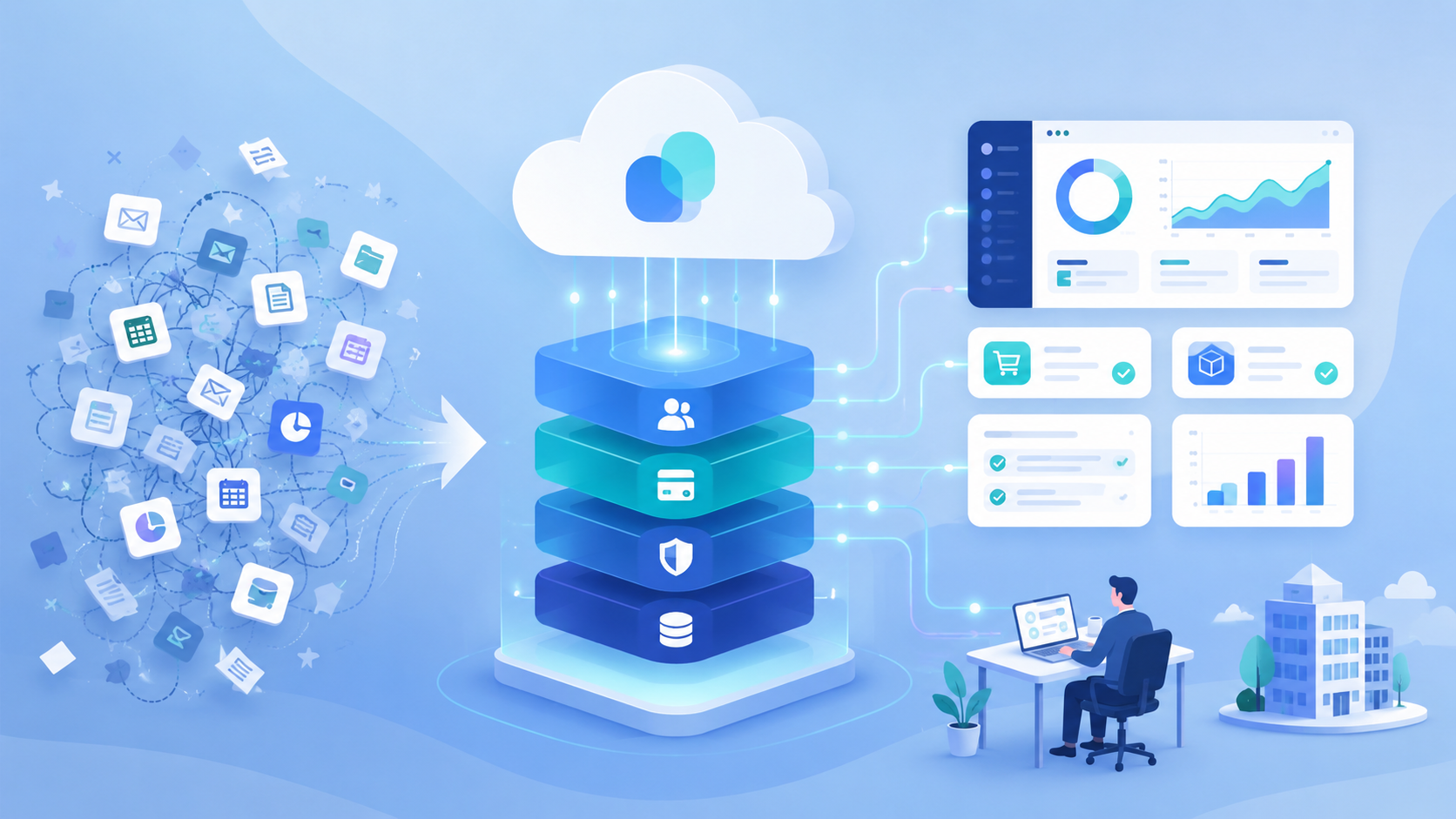
Bangladesh’s SME ecosystem is undergoing a noticeable digital transformation. Over the past few years, businesses across industries have increasingly adopted digital tools to improve communication, operations, collaboration, customer management, and internal productivity. What was once considered an enterprise-level investment is now becoming accessible to startups, agencies, e-commerce businesses, and growing SMEs throughout the country.
The expansion of cloud-based software and subscription-driven platforms has significantly changed how businesses access technology. Instead of investing heavily in infrastructure or long implementation cycles, organizations can now deploy software solutions within minutes through monthly or annual subscriptions. This shift has accelerated the pace of digital adoption across Bangladesh’s growing private sector.
At the same time, the increasing accessibility of software is also creating new operational challenges. As more organizations adopt SaaS platforms across departments, many SMEs are beginning to face visibility, procurement, and subscription management complexities that traditional systems were not designed to handle.
The rapid growth of subscription-based software has significantly lowered the barriers to technology adoption. Businesses can now access advanced software solutions instantly through flexible pricing models without investing in costly infrastructure or long deployment processes.
However, while software adoption has become easier, software management has become increasingly complex.
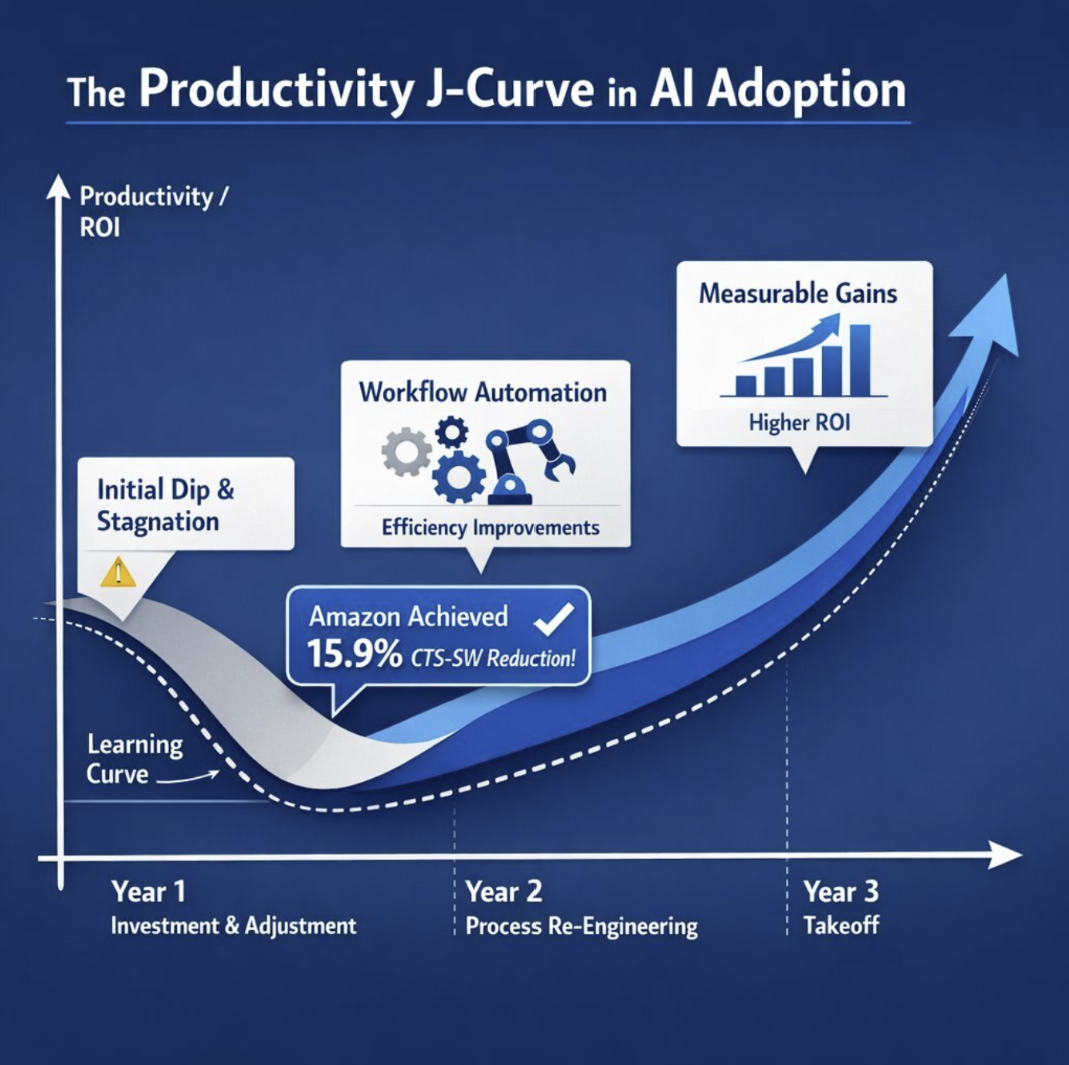
Research and industry analysis increasingly suggest that rapid technology adoption alone does not automatically create operational efficiency. In many cases, organizations initially experience workflow fragmentation, rising operational complexity, and governance challenges before long-term productivity benefits begin to materialize. This transition phase becomes particularly important as businesses adopt AI-powered tools and subscription-based software faster than internal procurement and oversight systems can evolve.
In many SMEs, software subscriptions are purchased independently by different teams, managed through separate payment methods, and tracked manually using spreadsheets or internal communication channels. Over time, organizations often lose visibility into which tools are currently active, who owns them, how frequently they are being used, and when renewals are due.
As SaaS ecosystems expand, traditional procurement and oversight systems are struggling to maintain centralized control over software spending, vendor management, and subscription governance.
Traditionally, procurement decisions were centralized within finance or IT departments. Software adoption typically followed structured approval processes, long procurement cycles, and organization-wide implementation strategies.
Today, software purchasing behavior is becoming increasingly decentralized.
Marketing teams independently subscribe to creative platforms, HR departments onboard recruitment tools, operations teams adopt workflow management software, and employees frequently experiment with AI-powered applications to improve productivity. In many organizations, departments can activate new tools within minutes using company cards or shared payment systems.
This decentralization has increased operational flexibility and accelerated innovation across teams. However, it has also created visibility gaps within many SMEs.
As SaaS adoption accelerates across organizations, businesses are increasingly facing a new operational challenge commonly referred to as “SaaS sprawl.”
SaaS sprawl describes the uncontrolled expansion of software subscriptions across departments without centralized visibility, governance, or procurement oversight. As teams independently adopt tools to improve productivity and operational speed, organizations gradually lose visibility into what software is being used, who manages it, and how much is being spent across the business.
This shift is largely driven by the accessibility of modern cloud-based software. Unlike traditional enterprise systems, SaaS applications can be deployed instantly through subscription-based pricing models. Departments no longer need long procurement cycles or infrastructure investment to adopt new tools. While this flexibility accelerates innovation, it also creates fragmentation across growing organizations.
In many SMEs, employees independently experiment with AI-powered applications. Over time, organizations begin managing multiple overlapping subscriptions across separate payment methods, spreadsheets, and decentralized approval systems.
According to Gartner, the growing complexity of SaaS usage is contributing to overspending, elevated operational risk, contract sprawl, and lack of organizational visibility. Industry discussions around SaaS management platforms have increasingly focused on solving these visibility and governance challenges as businesses continue expanding their digital ecosystems.
The issue becomes even more significant as AI-driven software adoption accelerates. Teams are now onboarding tools faster than traditional procurement systems can monitor or govern. In many cases, organizations discover duplicate subscriptions, inactive licenses, fragmented vendor relationships, and unmanaged renewals only after operational costs begin increasing.
For growing SMEs in Bangladesh, this challenge is becoming increasingly relevant as businesses rely more heavily on cloud-based operations, international SaaS vendors, and subscription-driven digital infrastructure.
As SaaS ecosystems continue expanding, businesses are increasingly realizing that software adoption alone is no longer enough. The larger challenge now lies in maintaining visibility, controlling operational complexity, and managing subscriptions efficiently across departments.
Globally, this challenge has contributed to the rise of centralized SaaS management platforms that help businesses manage software procurement, billing, renewals, and vendor relationships from a single operational environment. Rather than handling subscriptions separately across teams, organizations are gradually moving toward more unified SaaS governance models designed to improve visibility, optimize spending, and simplify software operations.
This transition is becoming increasingly relevant as businesses adopt AI-powered tools and subscription-based platforms at a much faster pace than traditional procurement systems can manage.In Bangladesh, the SaaS management ecosystem is still at an early stage, but platforms such as SubscriptionPro are beginning to emerge with approaches focused on centralized SaaS procurement, subscription oversight, operational visibility, and recurring savings. In some cases, these platforms also work as official partners or resellers of global SaaS providers including Microsoft, Google, Adobe, Amazon Web Services, Zoom, and many more.
Bangladesh’s SME ecosystem is gradually entering a new phase of digital maturity where software procurement is becoming more strategic than operational. As businesses continue adopting AI tools, cloud platforms, and subscription-based services, the need for visibility, structured procurement, and centralized SaaS oversight is expected to grow significantly.
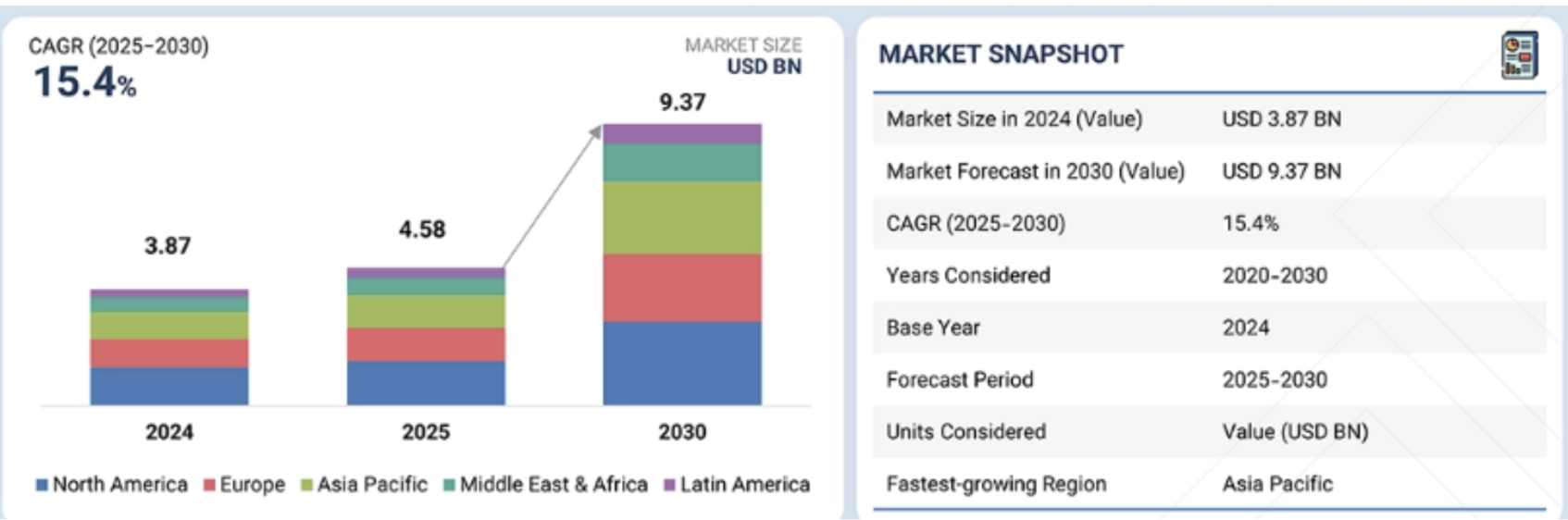
In the coming years, software management may evolve beyond simple subscription tracking toward broader operational governance involving procurement coordination, vendor management, cost optimization, and usage visibility across organizations.
This shift could also create opportunities for local SaaS management ecosystems to emerge alongside Bangladesh’s growing digital economy. Platforms focused on centralized SaaS operations may gradually become an important support layer for SMEs looking to scale digital infrastructure more efficiently while maintaining greater control over software spending and procurement complexity.
As SaaS adoption accelerates further, businesses that establish stronger operational visibility early may be better positioned to manage long-term digital growth more sustainably.
Our experts can help you solve your unique challenges