


GET IN TOUCH
- Please wait...

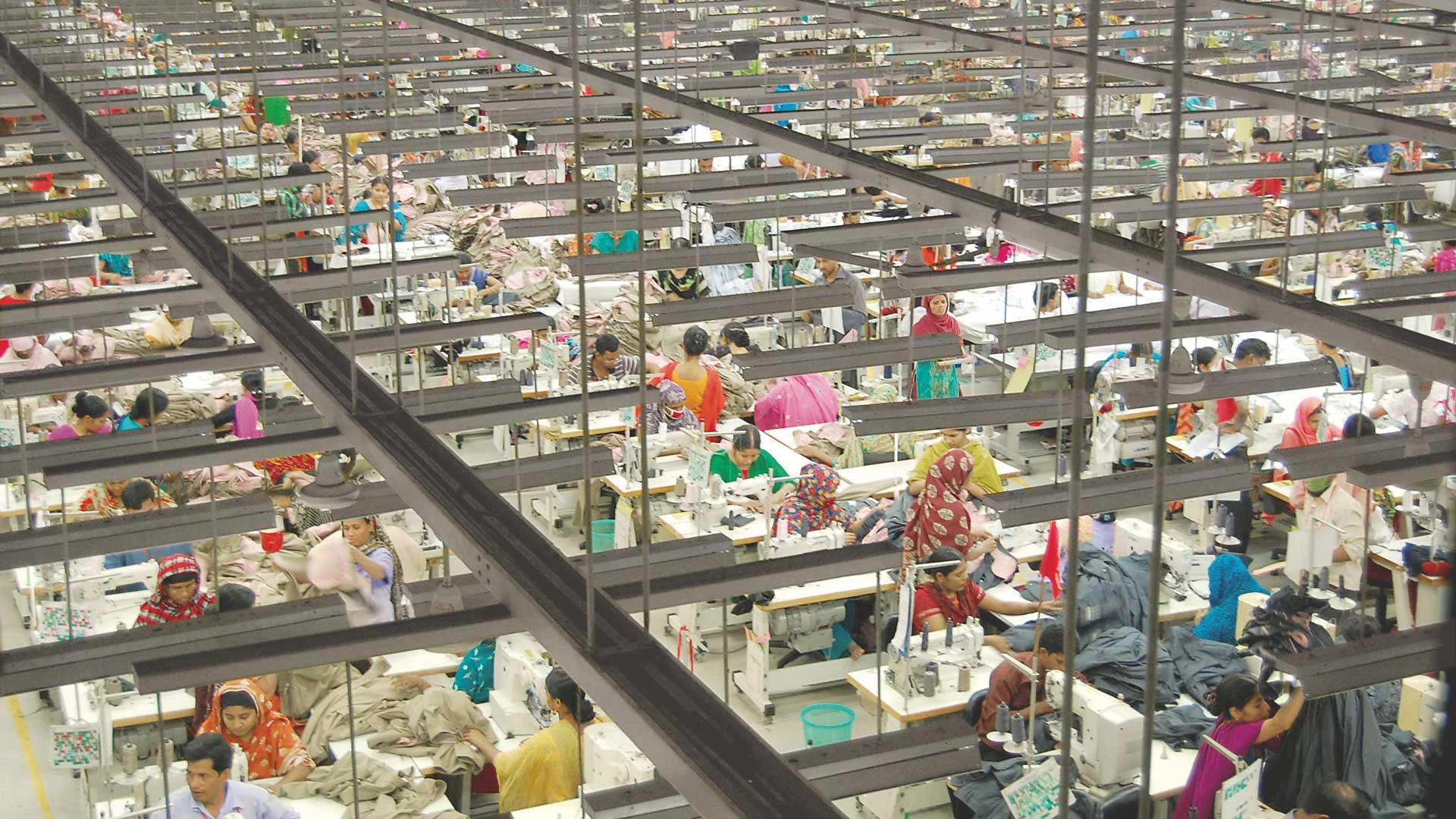
Workplace safety in Bangladesh’s garment industry has undergone a profound transformation. It has moved from a model of basic checklist compliance to one of legally binding international accountability. This shift, however, came at an immense human cost. Thousands of lives were lost in the Rana Plaza and Tazreen factory disasters. In response, the 2021 International Accord established binding commitments on fire, electrical, and structural safety. The launch of the RMG Sustainability Council (RSC) institutionalized oversight in the post-Accord era. This embedded safety governance as a permanent feature of the sector rather than a temporary corrective measure.
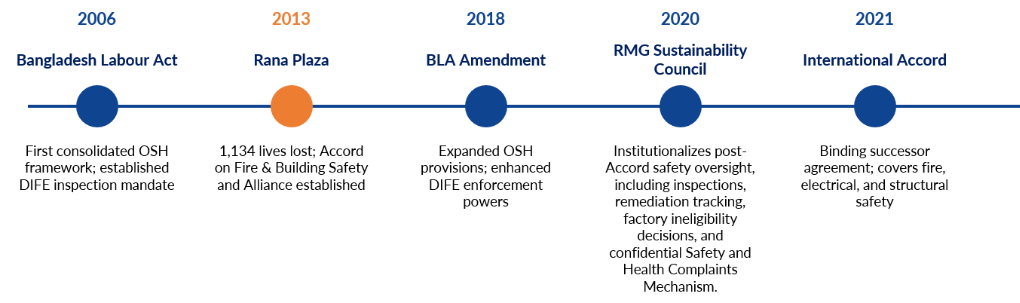
Figure 1: Occupational Safety & Health Evolving Landscape
Yet the persistence of safety concerns across the industry signals that structural oversight alone cannot fully safeguard the workforce it was designed to protect. In response to these ongoing concerns, LightCastle Partners convened a roundtable titled “Beyond Wages: Safer Jobs and Better Lives for Workers in the RMG Sector” on 9 July 2026. The event was held as part of the Oporajita Phase 2 and Bunon 2030 initiatives, supported by the H&M Foundation and COS, with The Asia Foundation serving as the backbone organization.
According to a recent study by the World Meteorological Organization (WMO), occupations involving moderate-intensity work in the worst-affected countries already lose between 2 and 4% of annual work hours because of heat under current climate policies. By the end of this century, that loss is projected to rise to between 8 and 11%.¹
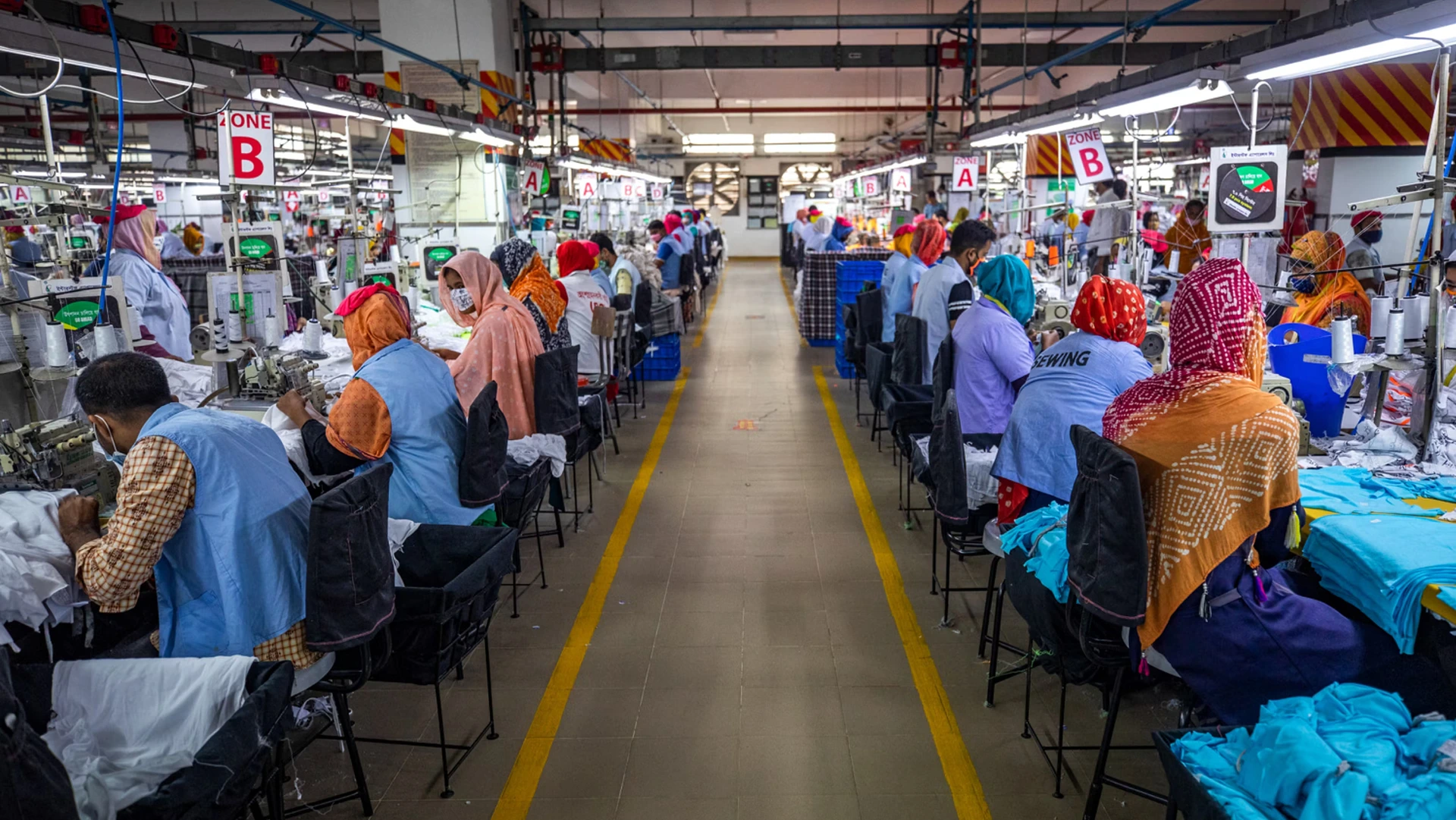
Machinery inside factories generates substantial heat. When factories do not manage it properly, workers face a grueling working environment. Prolonged heat exposure has been linked to long-term health complications, including reproductive health problems affecting both men and women workers.
This risk pushed the roundtable discussion beyond diagnosis and toward practical solutions. Key experts focused on creating safer and healthier factory conditions. They also highlighted the decline in productivity caused by high temperatures inside factories. A significant recommendation emerged from the discussion. Factories should install separate fan arrangements so workers can recover from heat exposure. Factories with greater financial capacity should also install central AC or similar cooling systems to provide a more comfortable working environment.
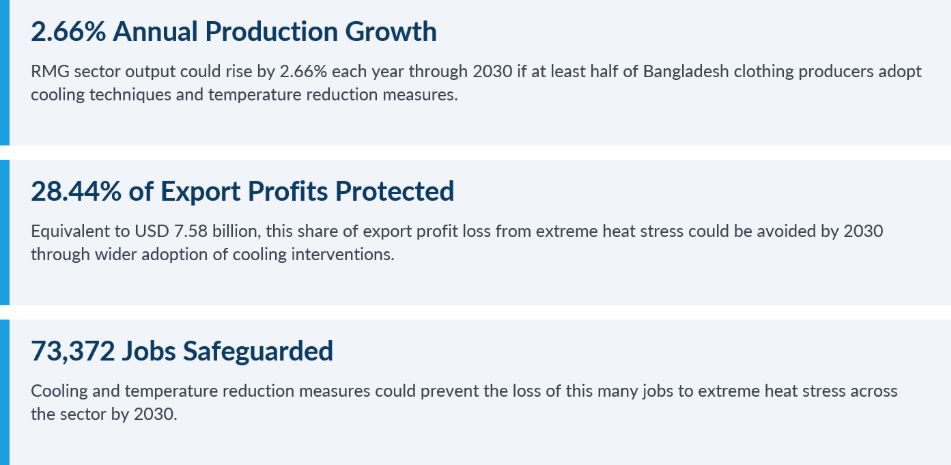
Figure 2: Cooling Interventions and the Future of Bangladesh RMG²
The safety of garment workers is not limited to physical infrastructure. It extends well beyond the factory’s architecture. Occupational Safety and Health (OSH) has become part of factory culture. However, a significant gap remains in addressing workers’ mental wellbeing.
The discussion highlighted how factories are helping workers report grievances safely. Many factories now use grievance mechanisms to address harassment. Some have adopted anonymous voice-based systems through QR codes because many workers prefer speaking over writing.
Some factories have also introduced “single woman lines,” where operators, supervisors, and managers are all women. Prominent speakers noted that this approach has reduced grievances and increased efficiency by 15%.³
The RMG Sustainability Council (RSC) has also strengthened accountability. RSC-registered factories that fail to comply with Occupational Safety and Health Complaints Mechanism (OSHCM) remediation first receive notices and warnings. Continued non-compliance may ultimately lead to termination of the business relationship.
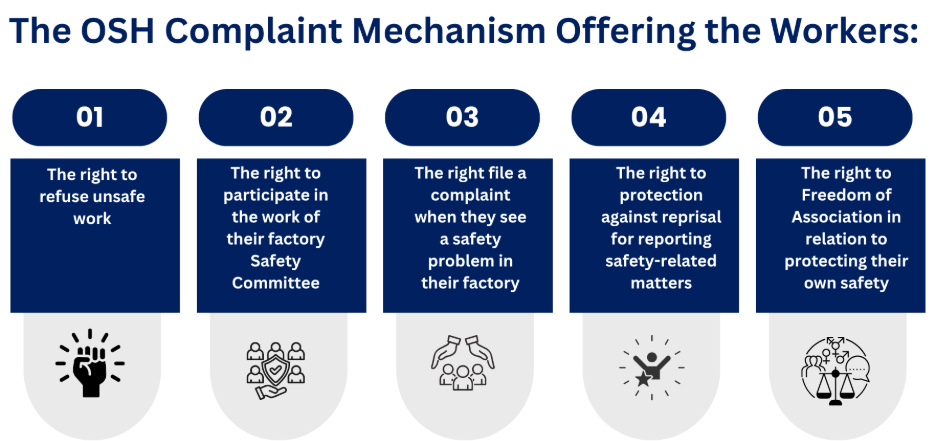
Figure 3: OSH Grievances’ Right Mechanism for the Apparel Workers⁴
Safety for garment workers must also address the needs of two particularly vulnerable groups: mothers at work and climate-displaced workers.
Research conducted by GIZ across 337 export-oriented garment factories, covering 370 women workers, found that fear of miscarriage increases the likelihood of pregnant workers leaving garment jobs by 2.97% in the short run.⁵
To help expecting mothers return to work after giving birth, policymakers are restructuring support for daycare services. At the roundtable, industry leaders and worker representatives recommended establishing community-based childcare centres instead of relying on industry-based models.
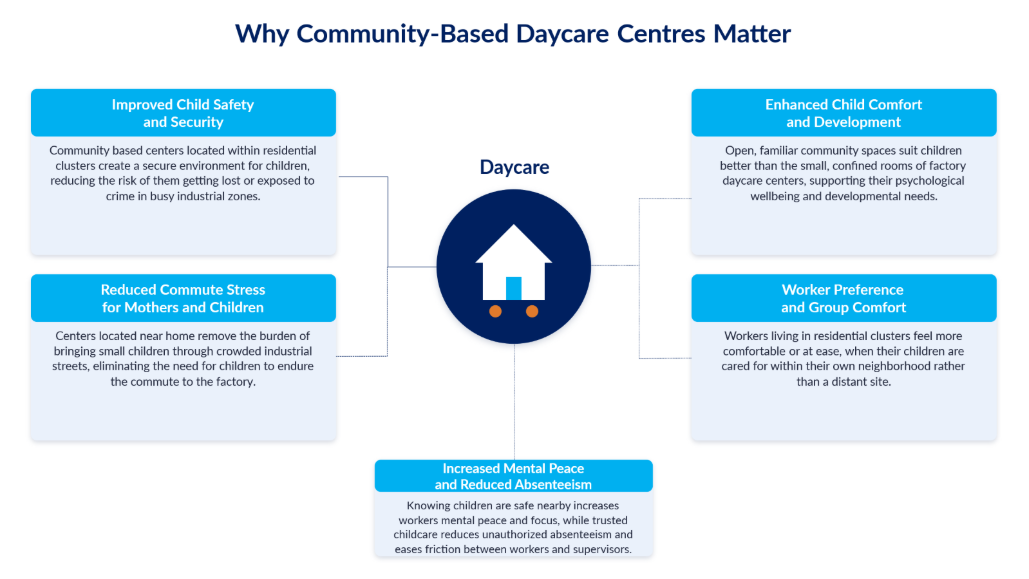
Figure 5: Why Community-Based Daycare Centres Matter
One reason for recommending community-based daycare was to accommodate workers’ children more effectively. Accommodating every child in a single factory room is almost impossible. In some large units, the number could reach 1,000 children. Area-based clusters offer a more practical and scalable way to distribute childcare services across the sector.
The discussion also highlighted the challenges faced by climate-displaced apparel workers. Most displaced workers live in tin-shed houses that trap extreme heat. Participants also noted that local landlords in industrial clusters often raise rents immediately after a minimum wage increase. As a result, much of the financial benefit intended for workers goes directly to property owners.
A study by the Global Labor Institute and Schroders’ report Higher Ground reinforces the severity of this exposure. It identifies extreme heat and extreme rainfall as the most damaging climate risks facing Bangladesh’s RMG sector. The report projects a 68.5% decline in export earnings, a 20.2% loss of jobs, and productivity losses exceeding 5% by 2050.⁶
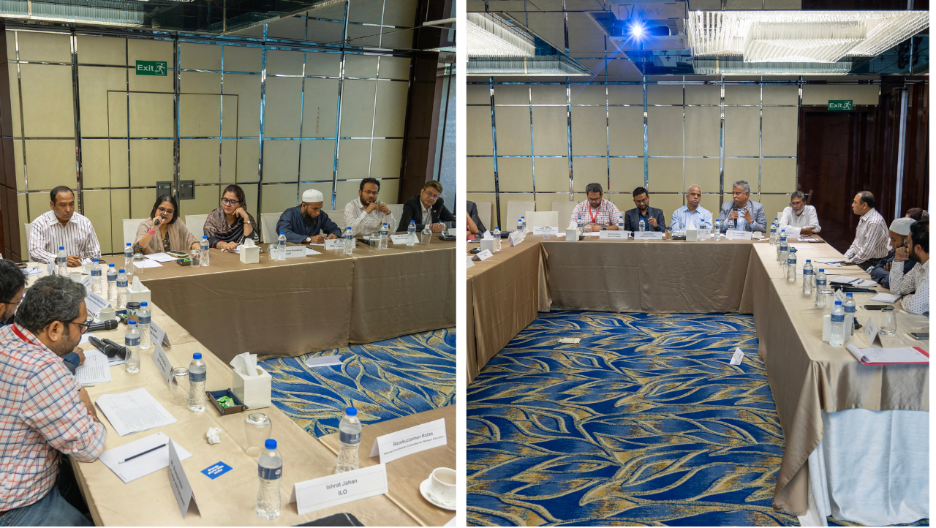
The event concluded with prominent stakeholders, including Syed Sultan Uddin Ahmmed, Executive Director, BILS; Md. Fazlul Hoque, Managing Director, Plummy Fashions; Ishrat Jahan, Senior Enterprise Advisor, Better Work, ILO; Dr. Mehruna Islam Chowdhury, Project Economist, UNDP; and Bijan Chowdhury, Technical Specialist – Education, Save the Children, among others. Together, they consolidated a set of recommendations to improve the physical and psychological safety of apparel workers while safeguarding the rights of mothers and climate-displaced workers.
Neutral Monitoring and Remediation: The RMG Sustainability Council (RSC) should continue providing independent oversight for over 1,900 factories. It should focus on electrical, fire, and structural safety through detailed engineering assessments.
Verification of Design vs. Reality: Factories should ensure that their on-site structural and electrical infrastructure matches the holistic engineering designs they submit. This verification is essential for maintaining workplace safety.
Transparency in Reporting: Bangladesh should maintain its status as an international model by publishing transparent public data on factory inspections and reporting, similar to systems used in other leading manufacturing hubs.
Enhanced Internal Cooling: To mitigate the 2% productivity drop associated with every 1-degree rise in temperature, factories should install specialized fan arrangements or, where financially feasible, central air conditioning to provide a more comfortable working environment.
Shift Toward Modern Automation: Factories should adopt fourth-generation industrial technologies to reduce energy loss, increase output in shorter timeframes, and reduce the physical strain on workers.
Low-Interest Loans for Landlords: To improve the living conditions of river erosion refugees living in heat-trapping tin-shed houses, the government should provide low-interest loans to residential landowners in industrial zones. These loans can help upgrade housing into more heat-resilient structures.
Community Infrastructure Development: Local governments can improve the areas surrounding factories, particularly by repairing drainage systems. This will prevent workers from commuting through waist-deep water during the rainy season.
Neutral and Independent Investigations: The OSH Complaint Mechanism should remain independent and prioritize confidentiality so workers can report grievances without fear of retaliation.
Paperless and Collaborative Methods: Investigations should use paperless methods, such as digitized records. Where appropriate, workers and factory management should resolve disputes through neutral mediation.
Addressing Root Causes: Grievance systems should identify the root causes of workplace friction. For example, a lack of daycare can lead to absenteeism, which may then trigger verbal abuse from supervisors.
Nutritional Safety Nets: Factories should provide pregnant and lactating mothers with nutritious snacks such as eggs and milk to support better health and improve productivity.
Training and Counseling: The government should expand training for DIFE inspectors and Ministry of Labour doctors. This will enable them to provide specialized maternal health and reproductive counseling through factory-linked health centers.
This article was authored by Sadia Karim, a Business Consultant at LightCastle Partners. For further clarifications, contact here: [email protected]
Our experts can help you solve your unique challenges
Stay up-to-date with our Thought Leadership and Insights