


GET IN TOUCH
- Please wait...

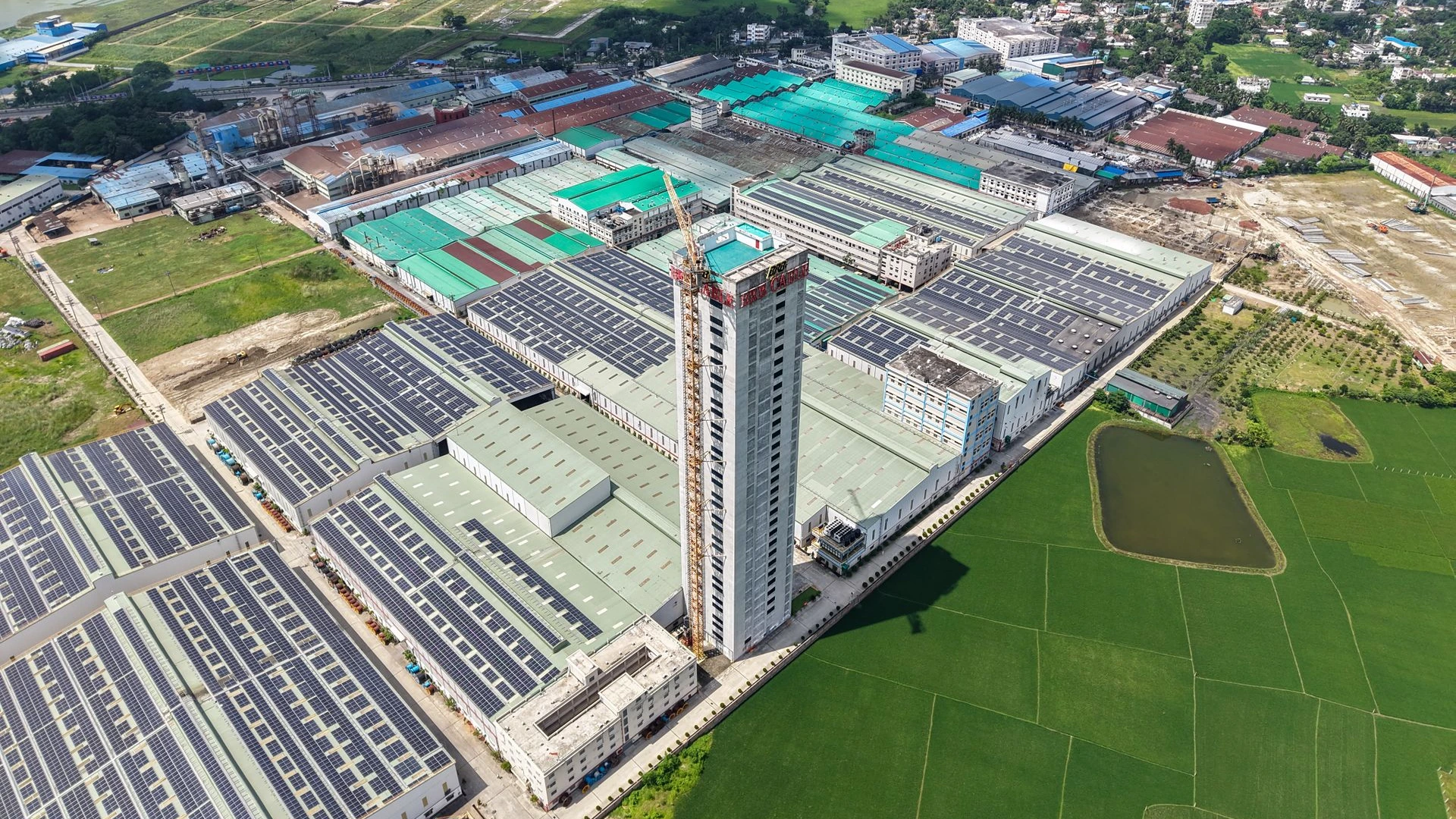
Bangladesh is making steady progress in building economic complexity, with foreign direct investment (FDI) playing an important role in strengthening and diversifying its industrial base. As LDC graduation approaches, the country will need to build on this progress by moving into higher-value industries and expanding its range of export products. In this context, stronger economic partnerships can play an important role in supporting Bangladesh’s next phase of development.
South Korea is already one of Bangladesh’s major foreign investors, making the Comprehensive Economic Partnership Agreement (CEPA), signed on August 4, 2026, particularly relevant to the country’s investment outlook.[1] This article will explore South Korea’s existing investment footprint in Bangladesh, how the CEPA could shape future FDI and sector‑wise opportunities, and the changes in the investment climate that will be needed for the agreement to translate into stronger, more diversified Korean investment.
Despite market swings and global uncertainty, South Korea has stayed one of Bangladesh’s most reliable sources of FDI. Korea’s FDI stock in Bangladesh rose from USD 1.6 billion at end‑December 2024 to USD 1.8 billion at end‑December 2025 making it the fourth‑largest source country by FDI stock after the United Kingdom, Singapore and China. [2]
Korean investment is concentrated in export-oriented manufacturing such as RMG, leather and food processing, positioning Korea as a key partner in Bangladesh’s global value chains. It also extends into ICT and automobiles, with Samsung and Hyundai assembling locally via Fair Group’s plants in Narsingdi and Kaliakoir.[3] Korean firms are also active in infrastructure and heavy construction, including major projects like the Meghna Bridge and the Ashuganj power plant, reflecting a partnership that has grown well beyond garments. [4][5]
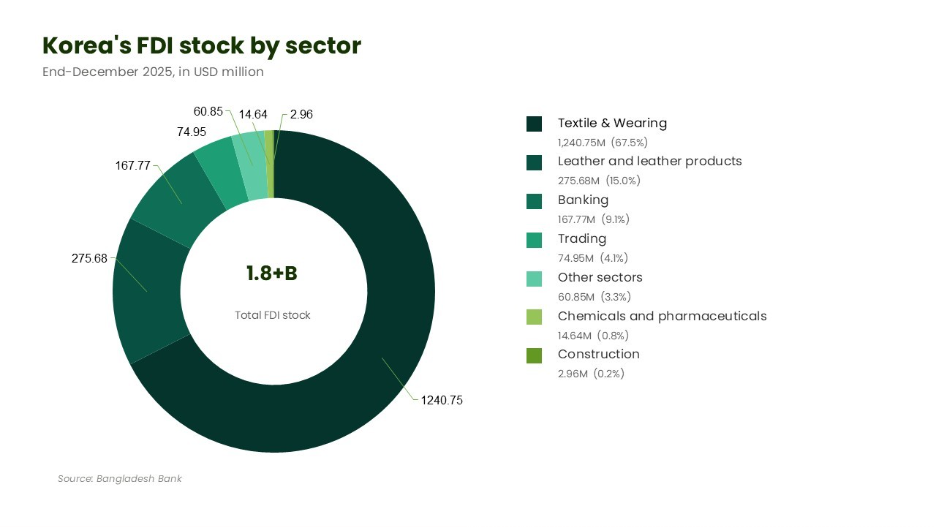
Figure 1: Korea’s FDI in Bangladesh by Sector[2]
The Bangladesh-South Korea CEPA, goes beyond tariff liberalization, covering trade in goods and services investment, rules of origin, customs cooperation, technical standards, digital trade, and intellectual property, giving both governments a broader framework to deepen economic ties.
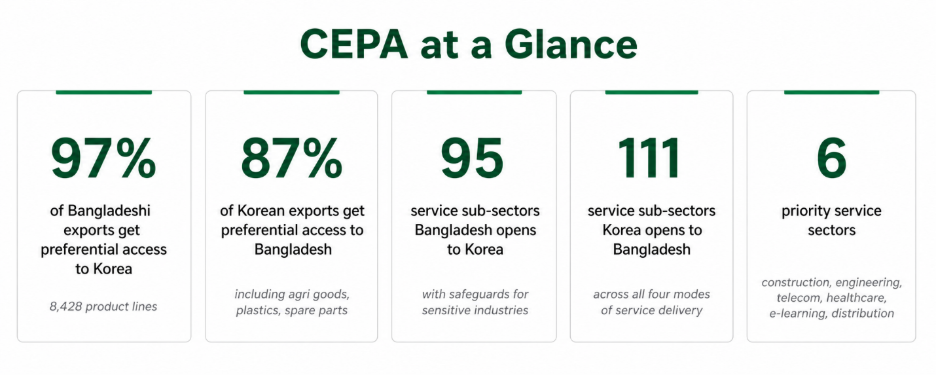
Figure 2: Bangladesh–South Korea CEPA at a Glance-Tariff Preferences and Services Commitments [1]
For Bangladesh, the longer-term value of the CEPA is likely to extend beyond preferential market access to greater investment, technology transfer and integration into Korean production networks. Existing Korean investments illustrate how the CEPA benefits could materialize.
Hyundai, for example, already assembles SUVs in Bangladesh, while the CEPA provides for tariff elimination on selected Korean exports to Bangladesh, including CKD vehicle kits and automotive components. By reducing the cost of importing such inputs for local assembly, these concessions could improve production economics and strengthen the case for further expansion of Korean manufacturing operations in Bangladesh.
For export-oriented investors, preferential access to the Korean market could provide an additional incentive to use Bangladesh as a production base, although actual benefits would depend on whether the final product satisfies the CEPA’s applicable rules of origin.
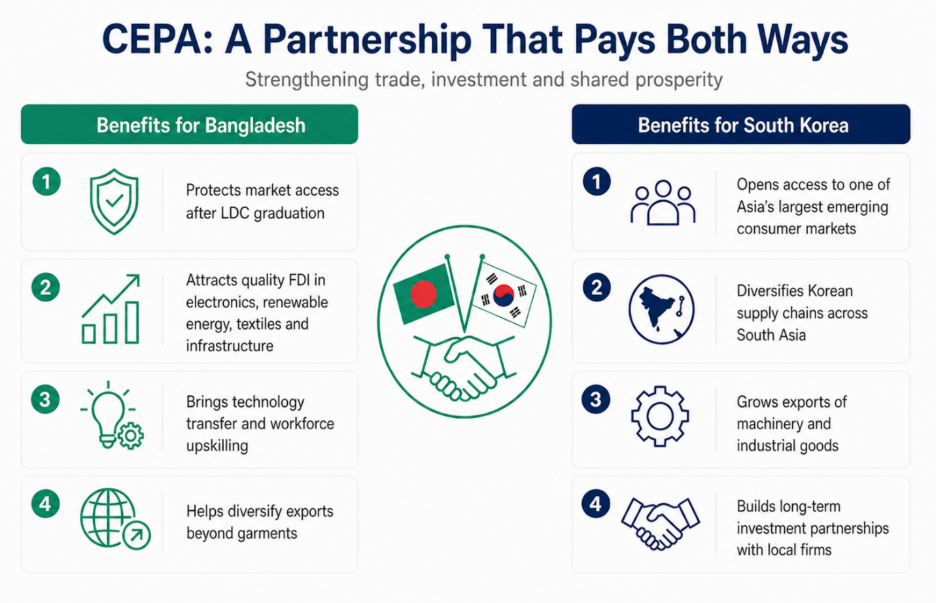
Figure 3: Mutual Benefits of the Bangladesh–South Korea CEPA
For Korean investors, CEPA can make Bangladesh a more predictable production base by simplifying customs and clarifying investment rules, while preferential tariffs on Korean goods lower the cost of importing machinery and components for local assembly. Over time, this can support Korean firms to move beyond garments into electronics, advanced manufacturing and other higher‑value activities.[1]
In the near term, readymade garments will remain the main beneficiary of CEPA, with Korean strengths in man‑made fibers, technical textiles and factory automation helping Bangladesh move into higher‑value segments. Policymakers on both sides are also looking to redirect more Korean capital toward electronics, mobility, renewable energy, and infrastructure so that investment is less concentrated in garments.[2]
In Bangladesh, Korean FDI could upgrade sectors such as leather and footwear, pharmaceuticals and processed food, through design, automation, quality control and compliance expertise. [2] Vietnam’s experience, where large Korean investors like Samsung helped move the country into higher‑value roles in electronics and auto parts, shows how similar partnerships could gradually deepen Bangladesh’s own supply‑chain integration. [7]
On the services side, CEPA opens opportunities in construction, engineering, telecom, healthcare, e‑learning and digital services, where Korean firms bring project management, technology and standards, and Bangladeshi partners gain new markets and capabilities. If regulators and firms actively build these linkages, the agreement can support a broader shift in Bangladesh’s economic complexity.[8]
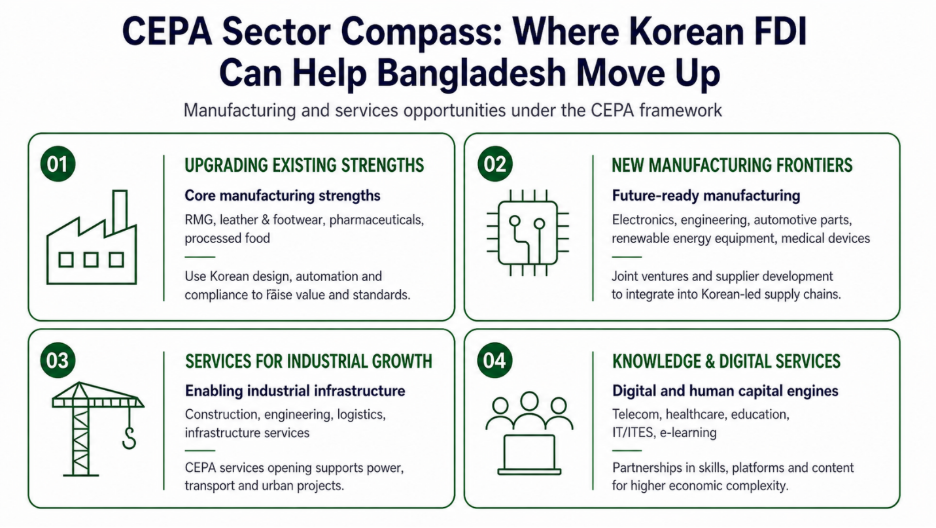
Figure 4: CEPA Sector Compass: Priority Sectors for Korean FDI in Bangladesh[2][8]
Bangladesh’s policy environment is becoming more supportive of long‑term foreign investment, including from South Korea, with recent reforms making entry and exit more predictable. BIDA’s role as a central facilitation agency, the expansion of digital one‑stop services and tighter labour, tax and intellectual‑property rules all help reduce procedural uncertainty and move the system toward more rules‑based delivery of commitments.
Investor onboarding is now substantially more digital. BanglaBiz 2.0’s Business Starter Package combines name clearance, temporary bank account, incorporation, e‑TIN and trade license into a single application that can be completed within three working days, replacing multiple portals and paper processes. [9]
At the institutional level, the Invest Bangladesh Act 2026 provides for the merger of BIDA, BEZA, the PPP Authority and the Hi‑Tech Park Authority into one apex agency, Invest Bangladesh, reducing fragmentation across investment promotion, zones and PPPs.[10] On the exit side, Bangladesh Bank’s March 2026 master circular delegates far more authority to AD banks, allowing them to process share‑sale repatriation up to BDT 100 crore with defined timelines, typically within five working days once documentation is in order. [11]
These steps, along with gradual moves toward a more flexible exchange‑rate and foreign‑exchange regime, make it easier for Korean firms to plan entry, operations and exit. Yet the core challenge is the gap between policy design and investor experience. Firms may be able to register digitally, obtain zone‑based incentives and repatriate profits on paper, but still face delays around customs, land, utilities, regulatory approvals and dispute resolution.[12] As long as these bottlenecks persist, Korean investors will benchmark Bangladesh cautiously against peers like Vietnam, India and Indonesia, limiting CEPA’s ability to shift FDI into more technology‑rich, higher‑productivity activities.[13]
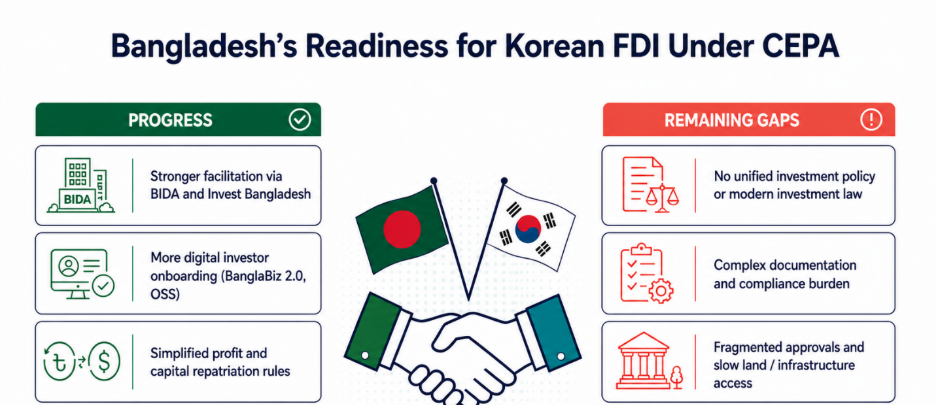
Figure 5: Bangladesh FDI Readiness-Progress and Gaps[11][12][13]
The Bangladesh–South Korea CEPA is particularly timely as Bangladesh approaches LDC graduation and begins transitioning from preference-led growth toward a model increasingly driven by investment, productivity and competitiveness. Given South Korea’s strength as a technology-intensive investor, the agreement could help channel greater investment into electronics, mobility, renewable energy, advanced manufacturing and services, while also strengthening supplier linkages between Korean companies and Bangladeshi firms.
Whether CEPA delivers this upgrade will depend on how far Bangladesh can narrow the gap between policy and practice, speeding approvals, easing profit repatriation and providing a predictable, rules‑based environment that long‑term investors can trust.
Our experts can help you solve your unique challenges
Stay up-to-date with our Thought Leadership and Insights