



GET IN TOUCH
- Please wait...


For decades, Bangladesh’s position in the global economy was tied to its Least Developed Country (LDC) status. Bangladesh is expected to graduate from this status soon. This classification enabled Bangladesh to leverage preferential market access, which supported the growth of the Ready-Made Garments (RMG) industry. The sector still accounts for more than 80% of the country’s export earnings. Graduation will gradually reduce these preferences, making negotiated market access increasingly important. To adapt to these changing conditions, Bangladesh has already initiated negotiations with different countries. Japan is one such country. Bangladesh recently signed an Economic Partnership Agreement (EPA) with Japan. The agreement preserves access to a high-value market while creating opportunities for Japanese capital, technology, and industrial standards to enter the local market.
In this article, we explore Japan’s existing investment footprint in Bangladesh, how the EPA could influence future FDI and unlock sector-specific opportunities, and the investment climate reforms needed to translate the agreement into more diversified Japanese investment.
Over the years, Japan has built a relatively modest investment footprint in Bangladesh. Its FDI stock stood at around USD 470 million at the end of December 2025. This was equivalent to approximately 2.3% of Bangladesh’s total FDI stock (1). Japanese investment spans several sectors. These include construction, textiles and apparel, power, trading, chemicals and pharmaceuticals, and leather products, among others.
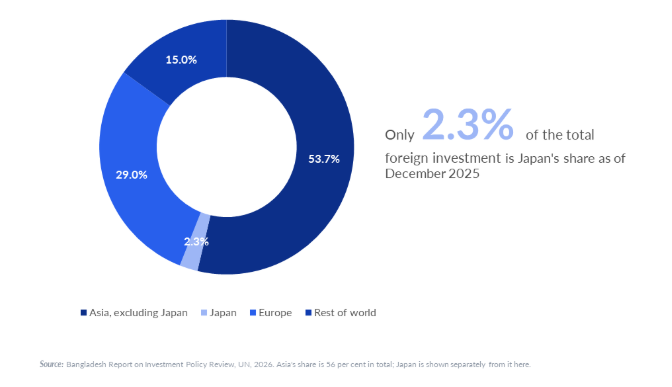
Figure 1: Japan’s Share in the total FDI of Bangladesh (2026)
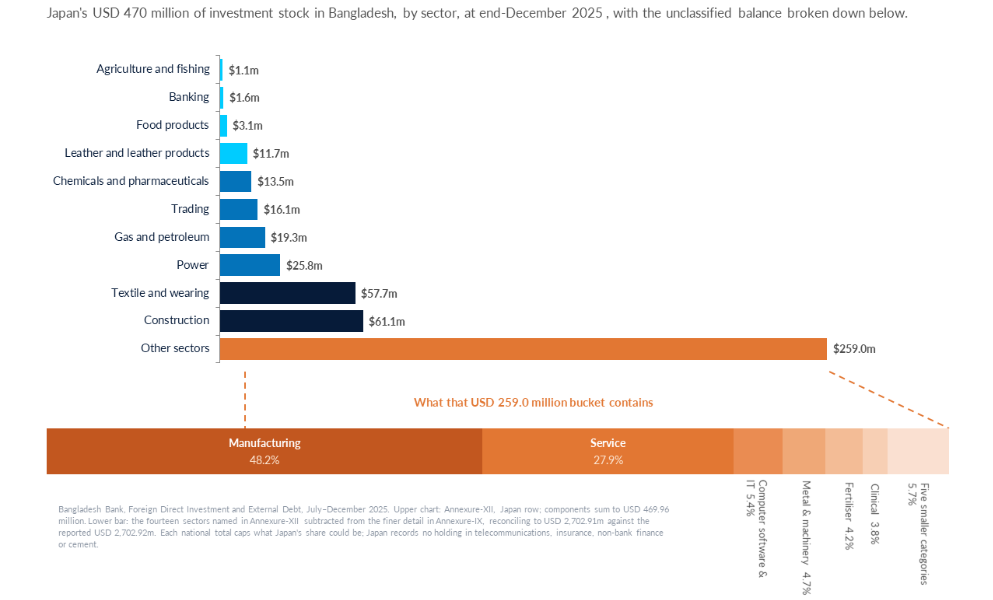
Figure 2: Sector-wise Japanese FDI Allocation (2025)
The Japanese conglomerate Honda Motor Co. operates motorcycle manufacturing through Bangladesh Honda Private Limited. The Honda Group holds a 70% stake and invested BDT 2.3 billion with its local partner to establish its Munshiganj manufacturing facility.
Sumitomo Corporation, meanwhile, holds a 61% stake in the Bangladesh Special Economic Zone (BSEZ), alongside BEZA (24%) and JICA (15%). The zone has attracted companies operating in areas such as home appliances, chemicals, daily necessities, food, equipment, and sewing supplies. Its second phase aims to attract industries with deeper and more diversified supply chains.
As of June 2025, 29 Japanese-owned enterprises had invested more than USD 621 million and employed over 17,700 workers.
The economic agreement was signed in Tokyo on 6 February 2026. It gives Bangladeshi goods duty-free entry to Japan across 7,379 product lines (2). For Bangladesh, this reduces tariff costs on exports and improves competitiveness in the Japanese market. For Japan, the agreement provides greater access to Bangladesh as a potential sourcing and production base. This can create deeper integration between Japanese firms and Bangladesh’s manufacturing ecosystem.
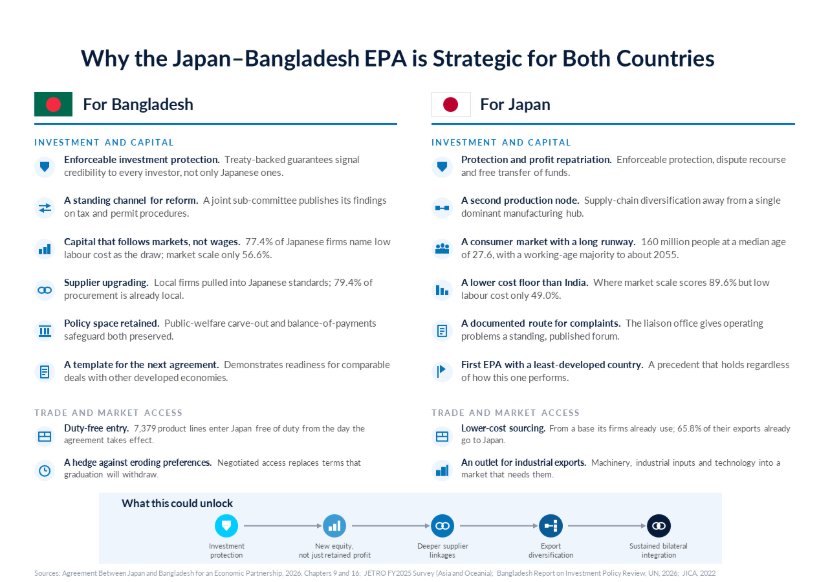
Figure 3: What Each Country gets from the EPA
The short-term effect of the EPA is likely to be positive for Bangladesh, although limited. Japan-affiliated exporters in Bangladesh already direct 65.8% of their exports to Japan. This compares with 47.2% among foreign-affiliated firms covered in the same JETRO survey of companies operating across Asia and Oceania (3). Duty-free access between Bangladesh and Japan therefore strengthens a trade channel these firms already rely on.
The agreement can also improve profitability on the input side. Under the EPA terms, 1,039 Japanese products, including machinery, components, and industrial inputs, will receive duty-free access to the Bangladeshi market on a phased basis (4). This can lower production costs for Japanese firms operating here.
Combined with stronger export margins on the Japan-bound side, this dual effect can support greater reinvestment. Notably, reinvested earnings from Japanese firms increased by 25.67% in 2025. This indicates that companies already operating in Bangladesh are increasingly retaining and reinvesting profits locally as business conditions improve, rather than fully repatriating them (5).
While the EPA creates a stronger framework for attracting Japanese FDI, its investment potential will depend on Bangladesh’s ability to provide a predictable and investor-friendly operating environment.
A 2025 JETRO survey highlights several persistent constraints facing Japanese companies in Bangladesh. 94.4% of respondents identified political and social instability as a business challenge. Another 81.5% cited tax procedures. Meanwhile, 66.7% pointed to issues related to local-government policies, permitting processes, and the legal system (6).
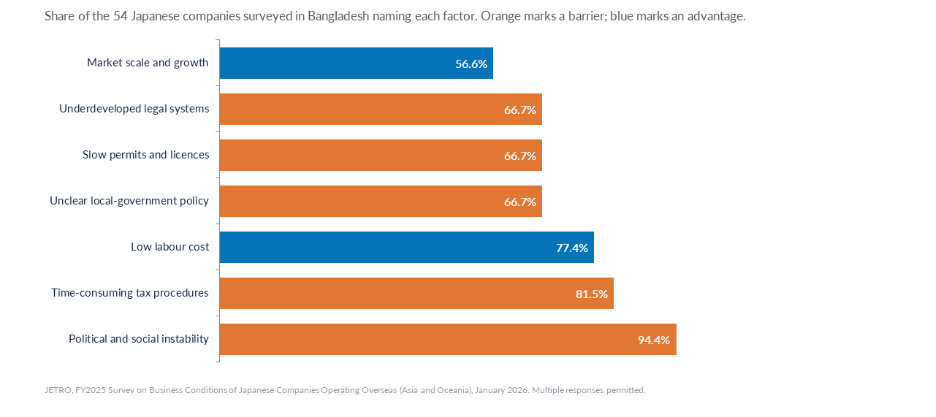
Figure 4: Advantages and Barriers based on JETRO Survey.
However, recent reforms have begun to strengthen Bangladesh’s investment environment. These reforms signal progress in addressing some longstanding constraints.
BIDA now consolidates several investor-facing functions under one roof. Its digital one-stop platforms also reduce approval times. A further merger of investment-related agencies is planned to provide investors with a more unified entry point (7). The 2023 Income Tax Act, revised labor framework, and new patents law have also advanced tax administration, labor protections, and intellectual property rules (8).
The EPA provides a long-term investment opportunity for Bangladesh. The country already has real advantages working in its favor. It offers a population of 160 million and a median age of 27.6 years. Its working-age population is also expected to remain larger than its dependent population until around 2055 (9). This demographic window can support long-term investment.
The EPA adds a practical mechanism through its business-environment section. It mandates a standing liaison office and a joint sub-committee with published findings. Used effectively, these mechanisms can provide a recurring channel for Japanese firms to raise administrative constraints. They can also help both sides track whether Bangladesh addresses those constraints.
The value of these mechanisms will therefore depend less on the existence of the forum than on whether its findings translate into domestic reforms.
The ultimate test is whether the EPA changes the composition as well as the volume of Japanese investment. Rising reinvested earnings would indicate that existing firms are expanding. Growth in equity investment would signal the entry of new capital.
The immediate opportunity is to deepen investment from firms already operating in Bangladesh. The longer-term objective is to use that foundation to attract new investors and encourage more diversified Japanese FDI.
Our experts can help you solve your unique challenges
Stay up-to-date with our Thought Leadership and Insights